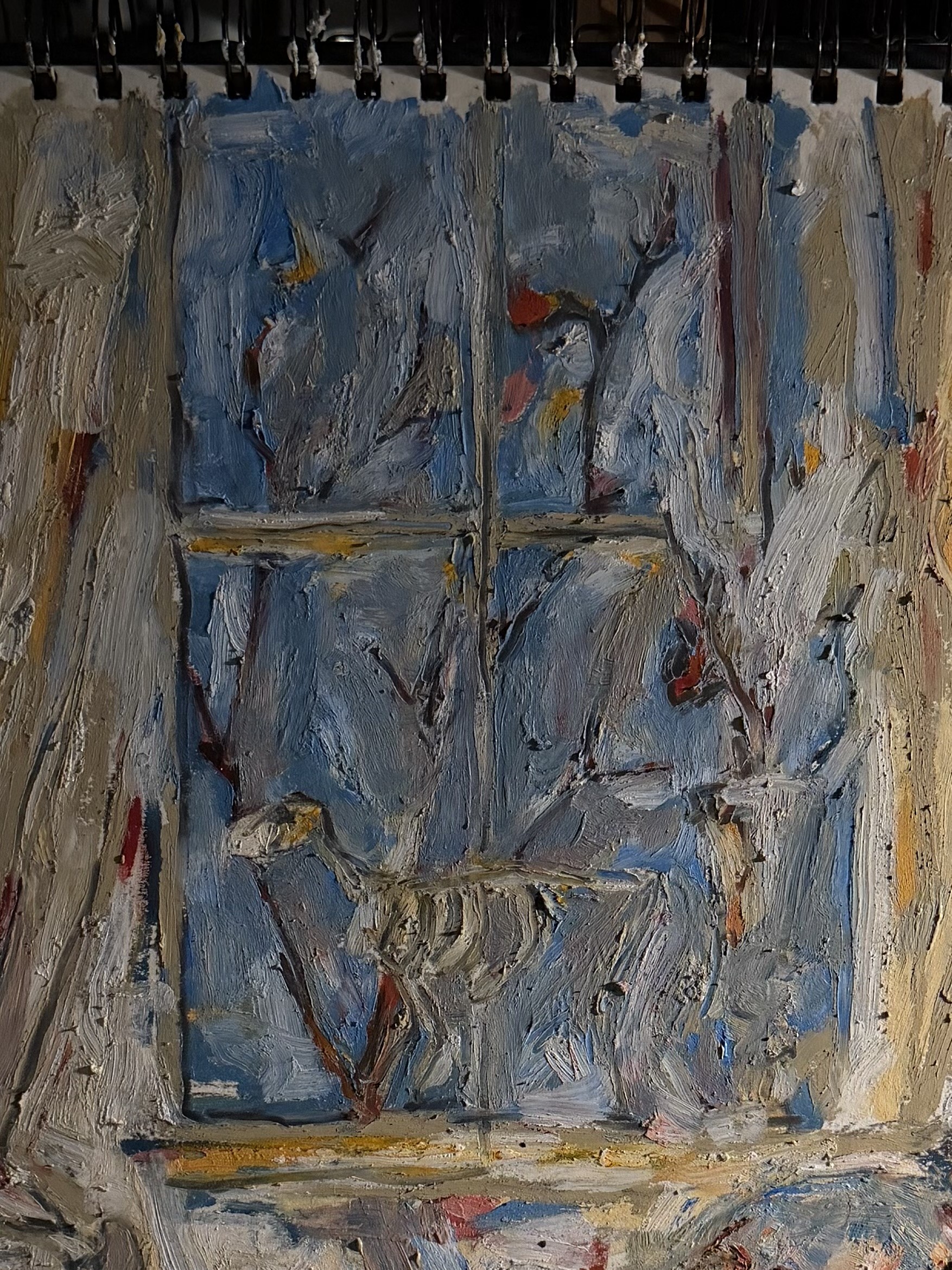
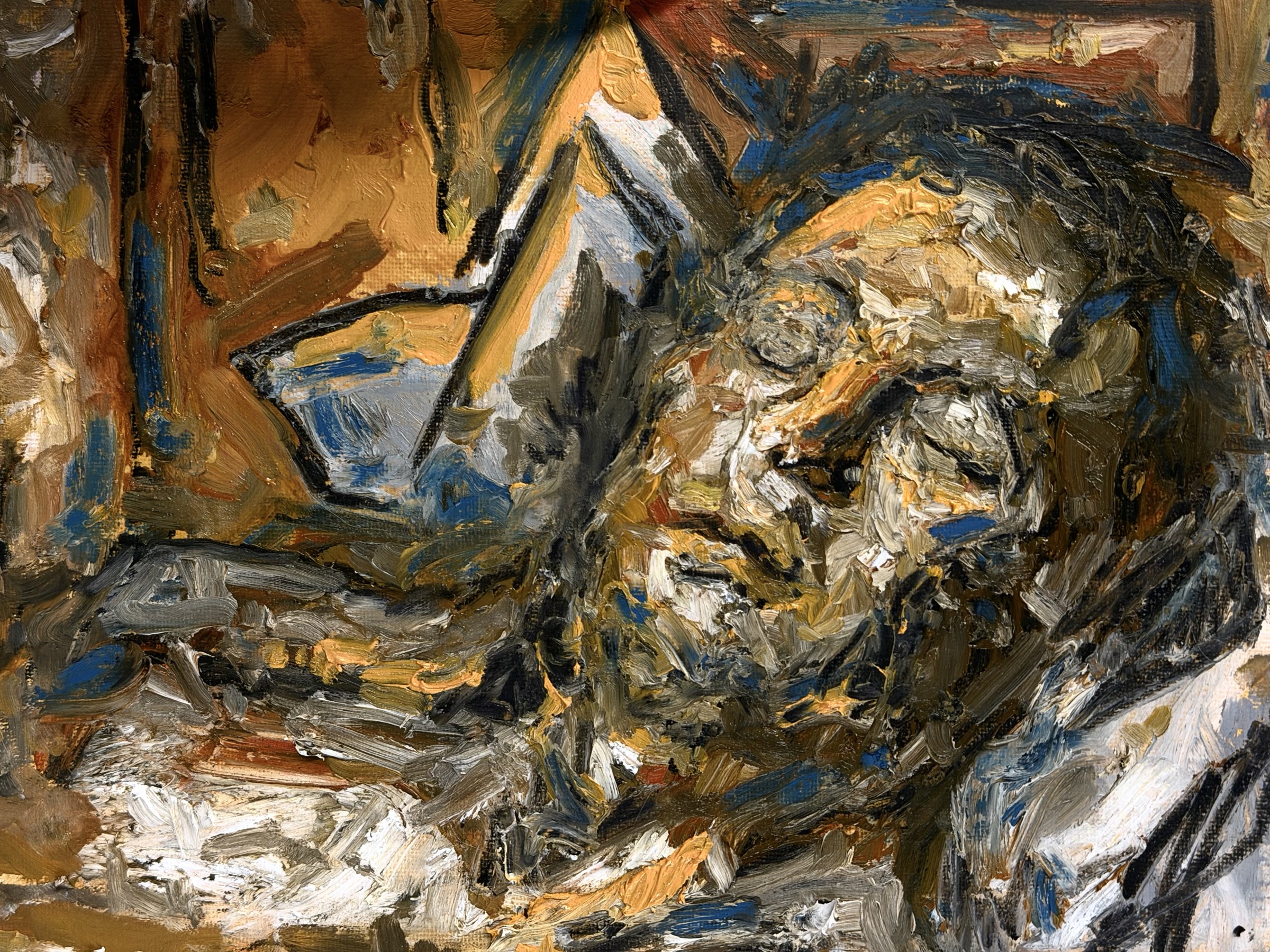
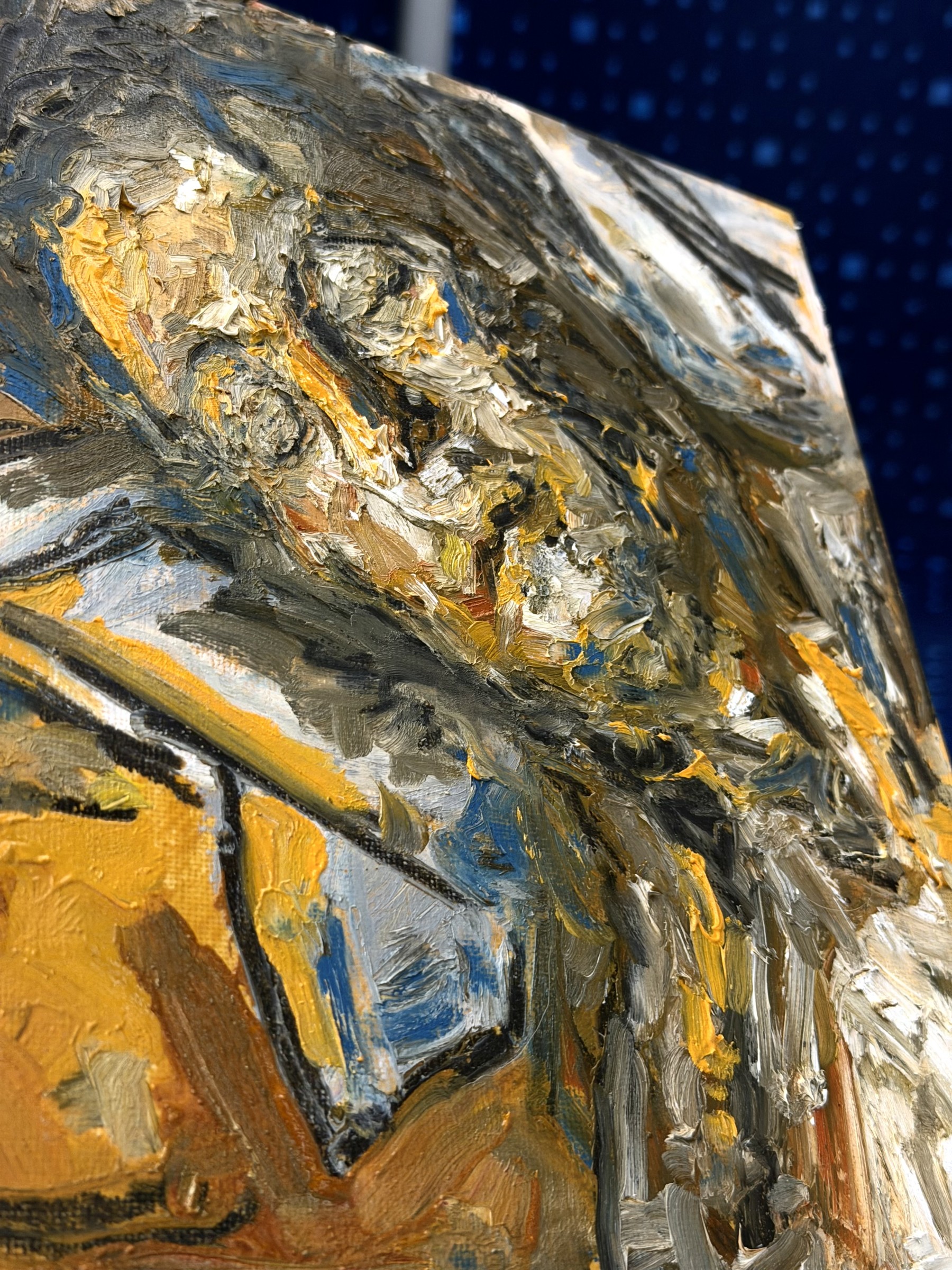
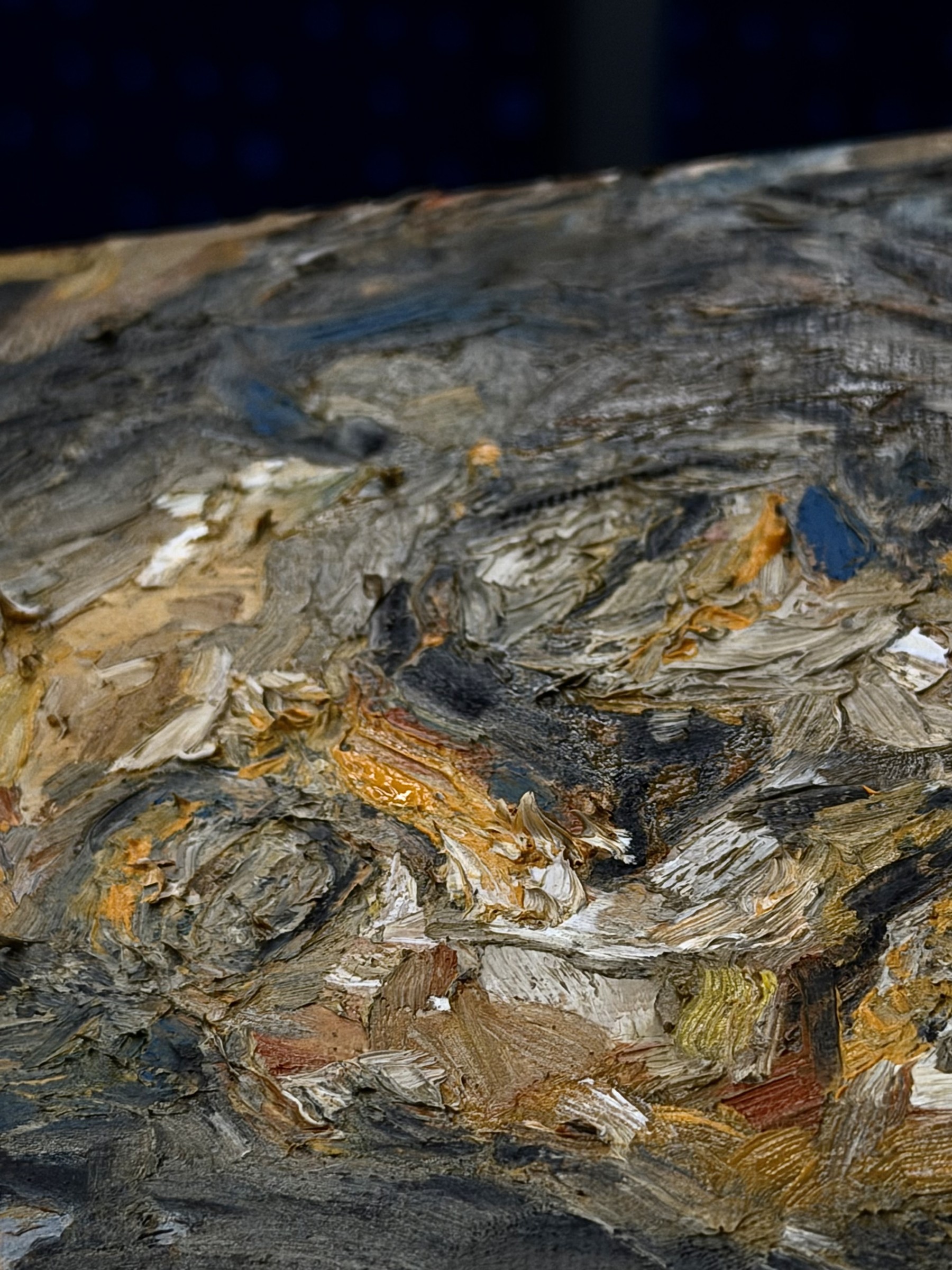

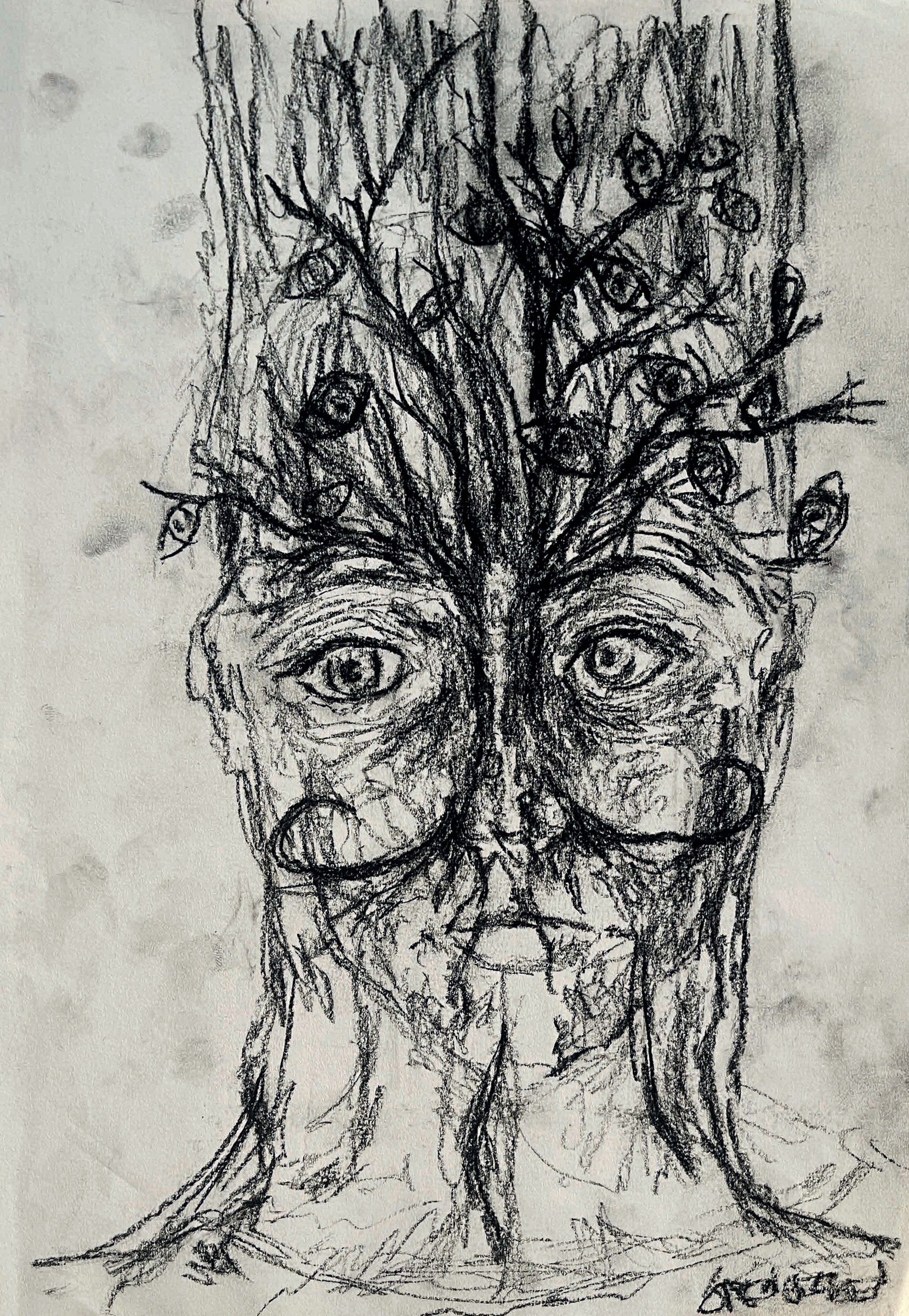
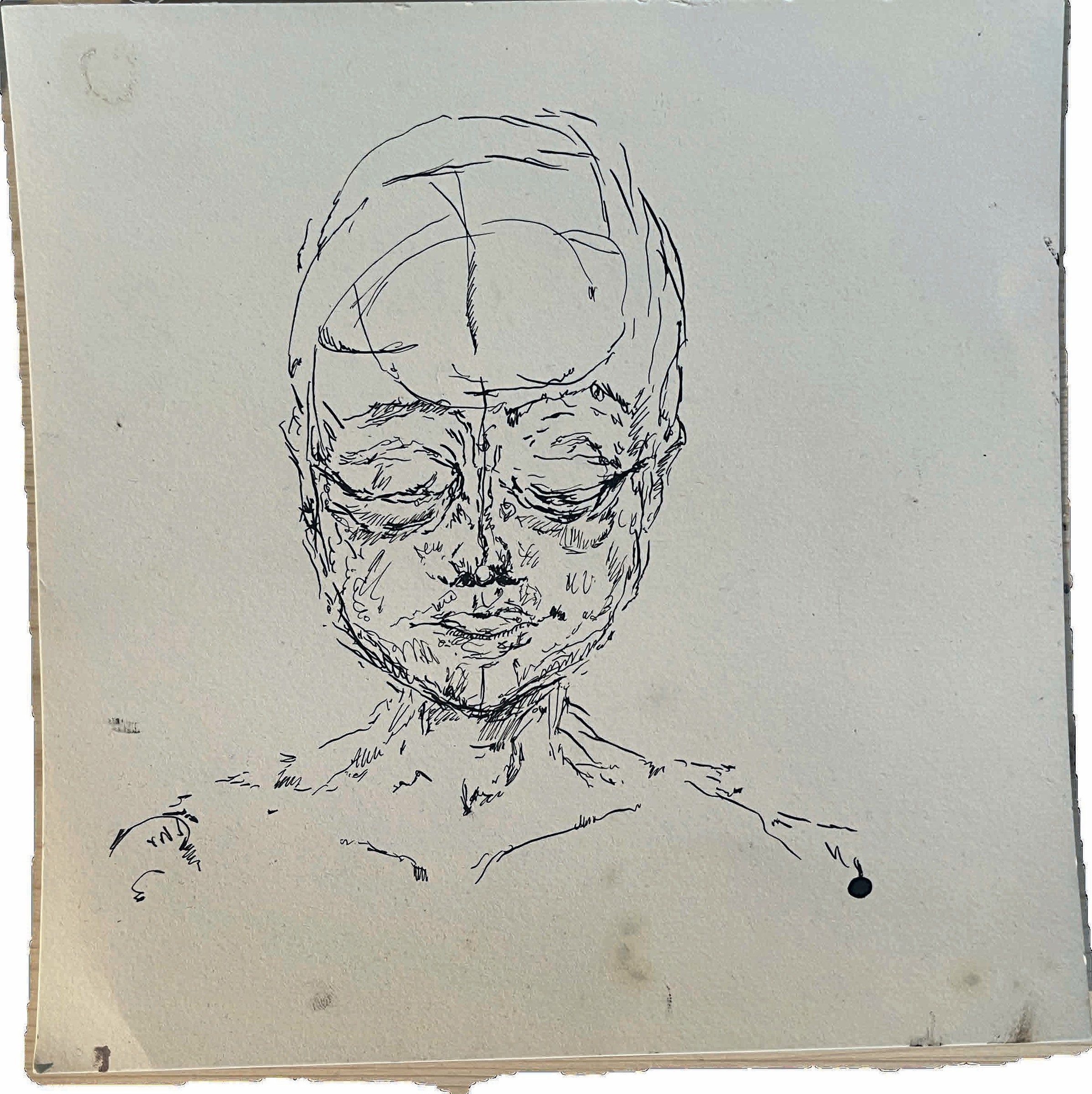
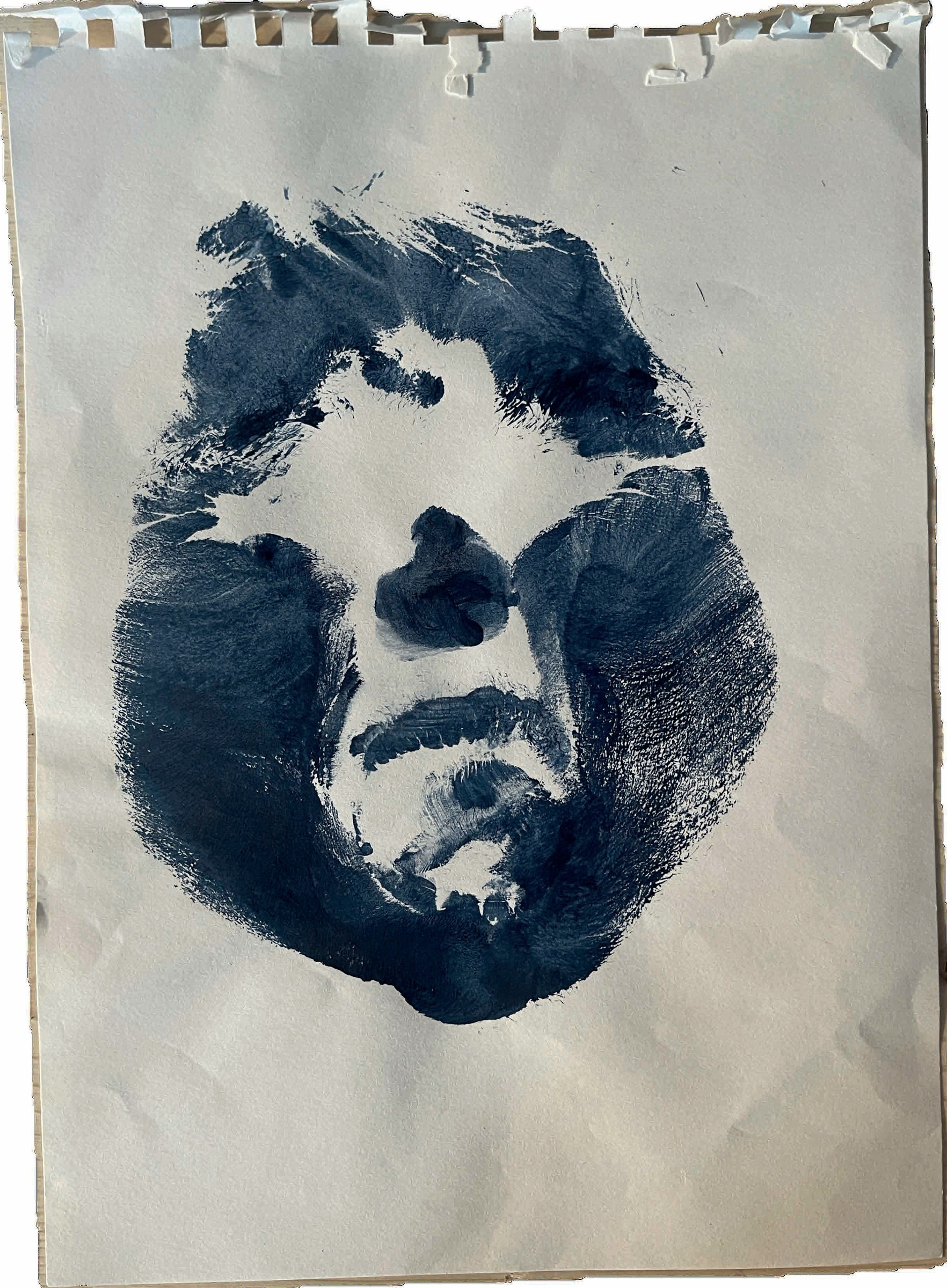
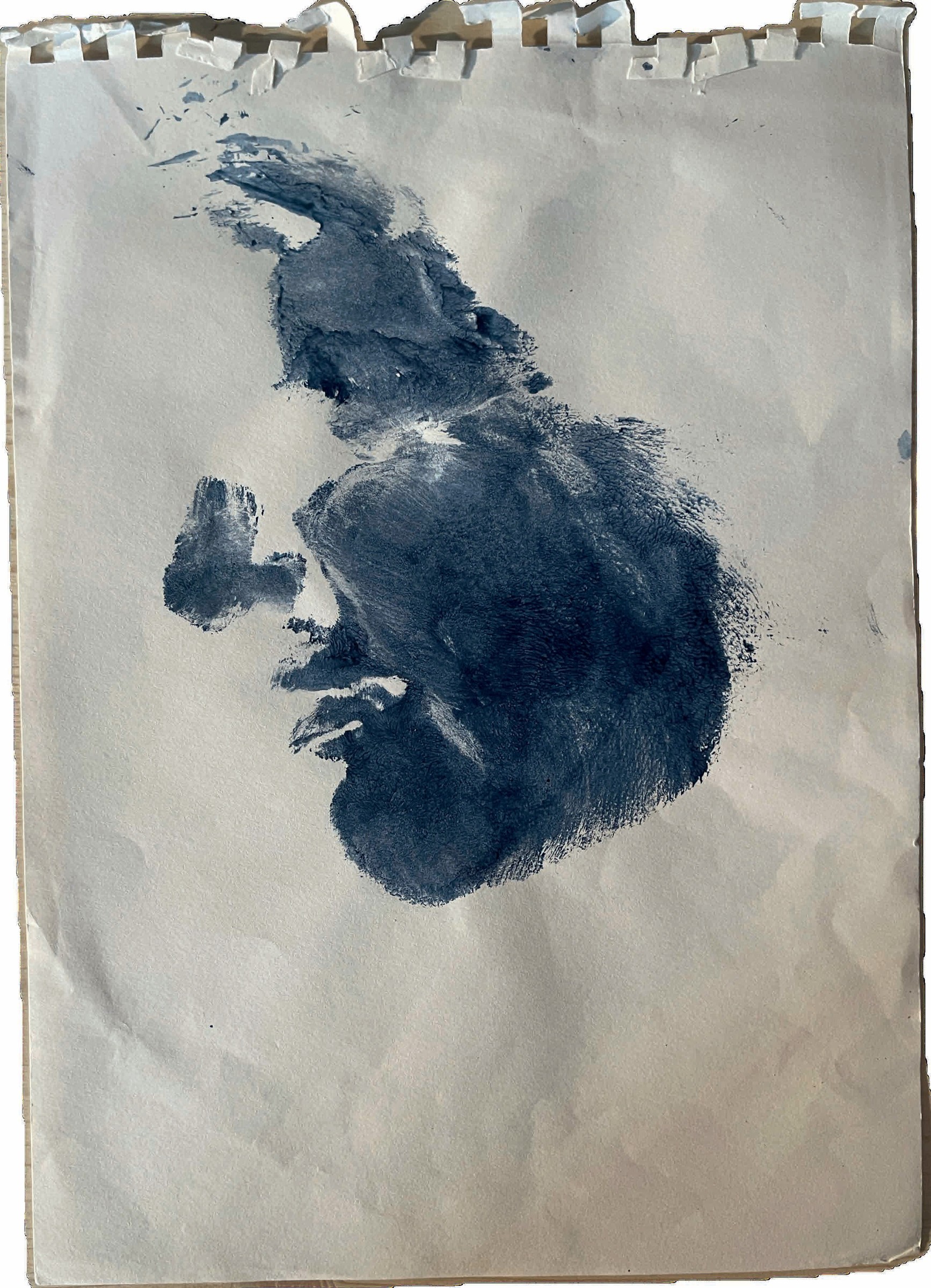
Solved the Da Vinci code
Solved the Da Vinci code: everything you know about Mona Lisa is wrong
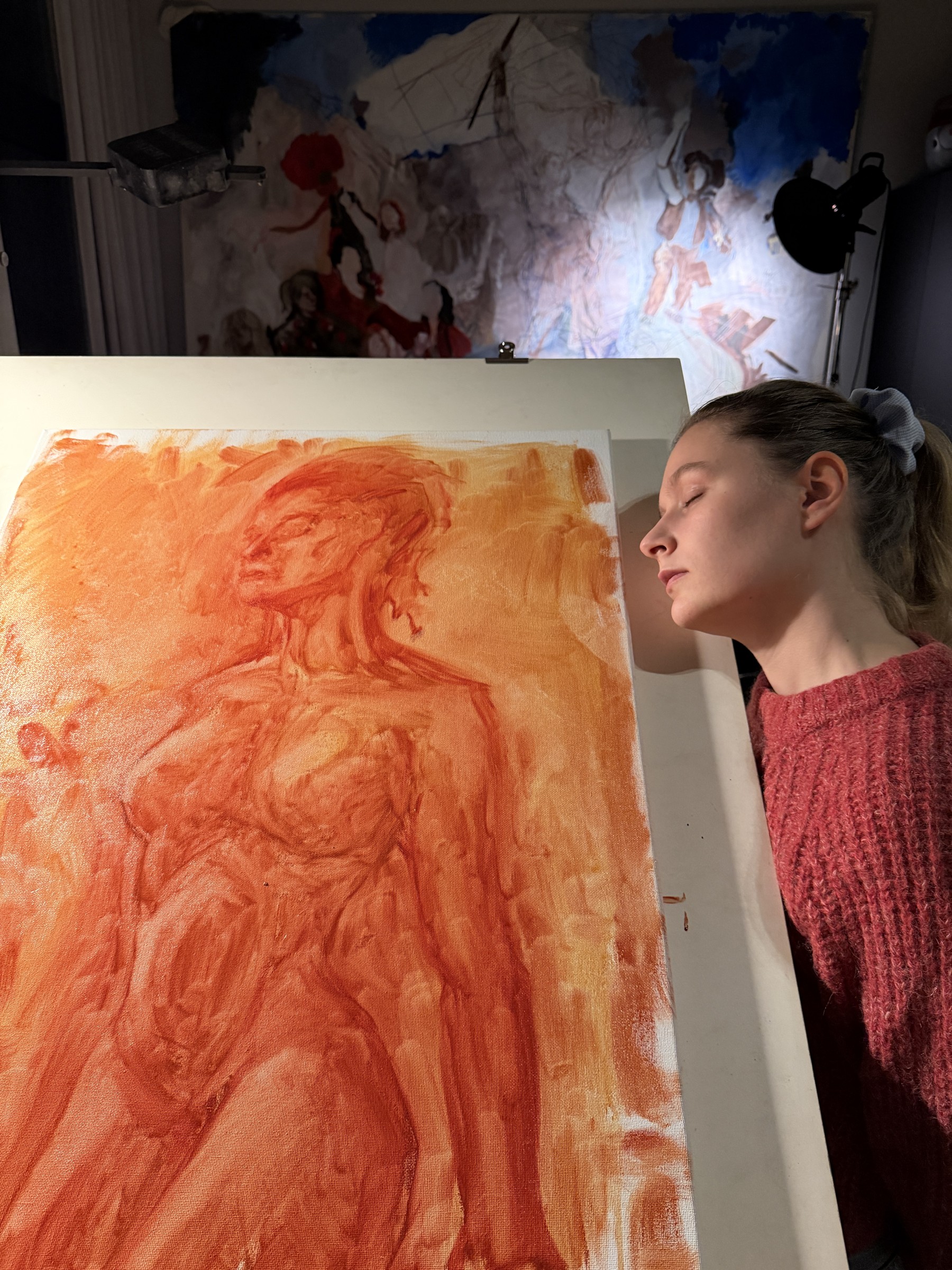
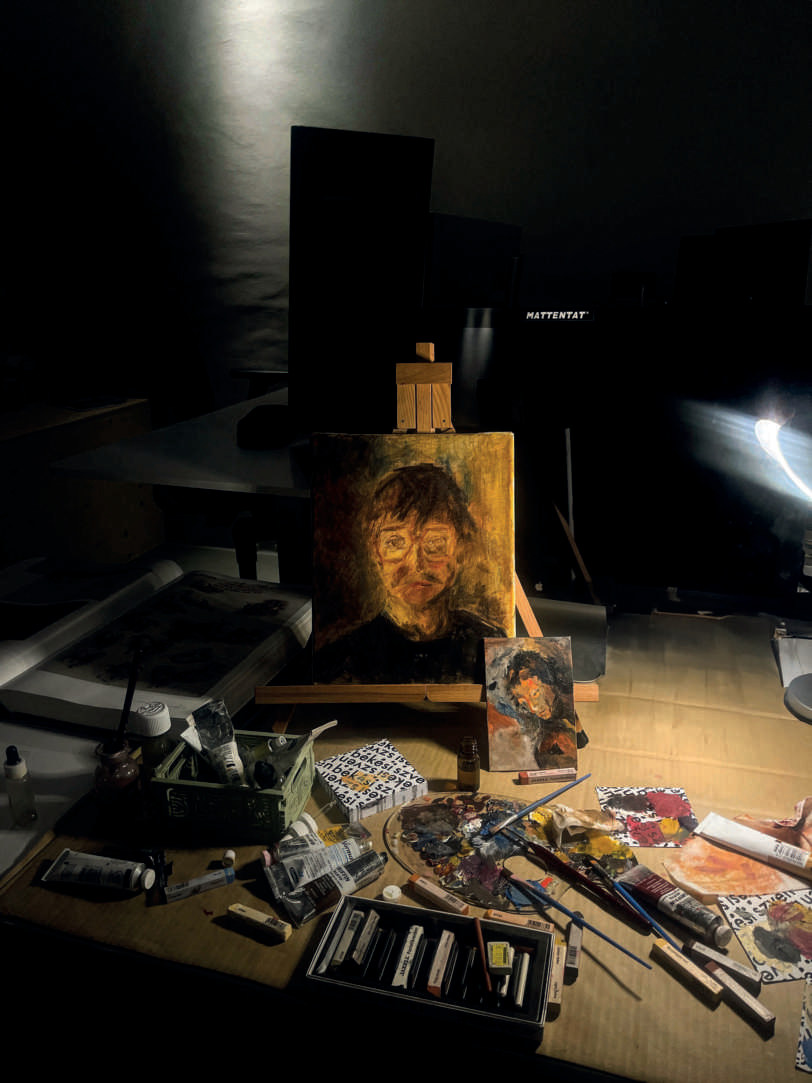
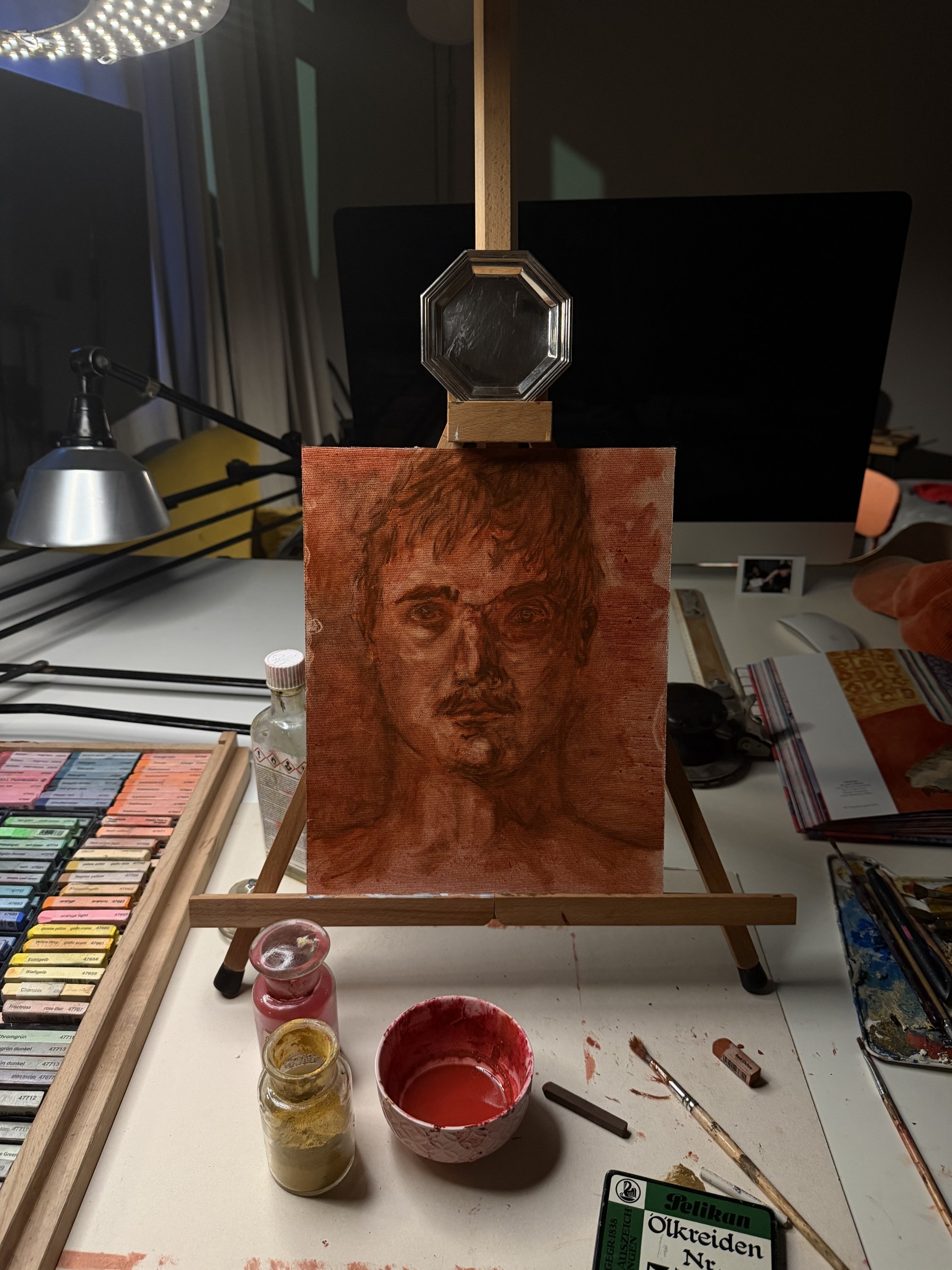
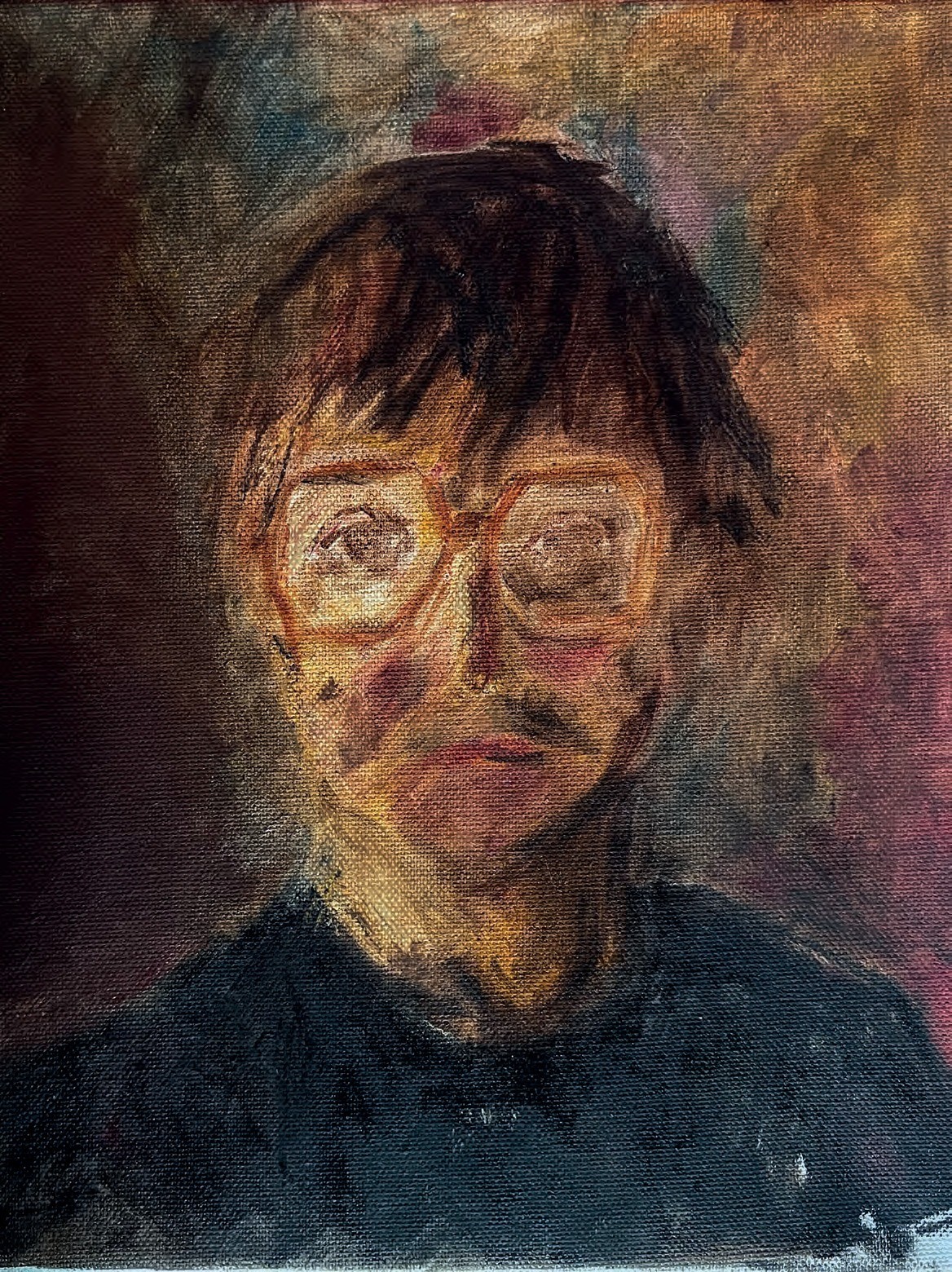
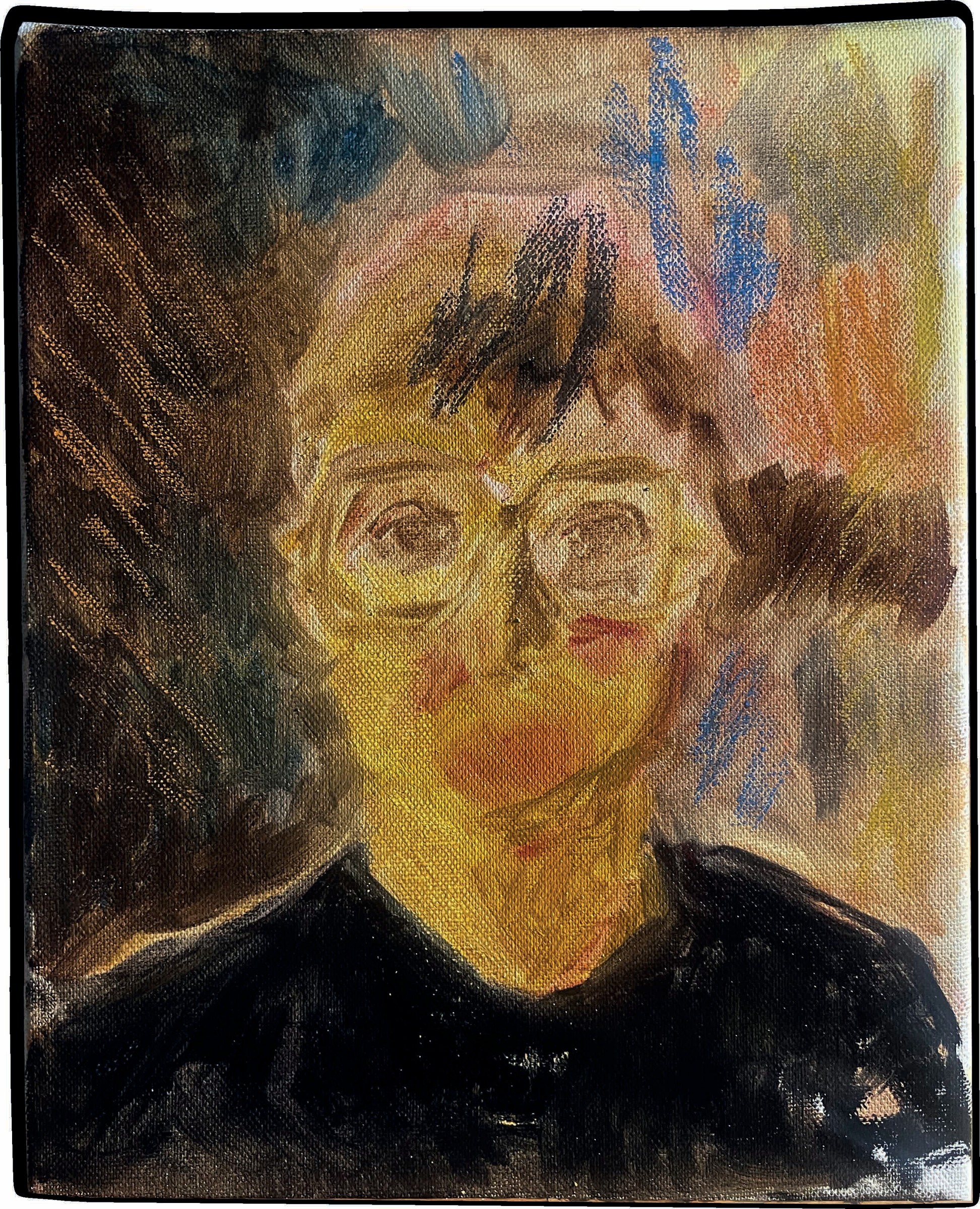
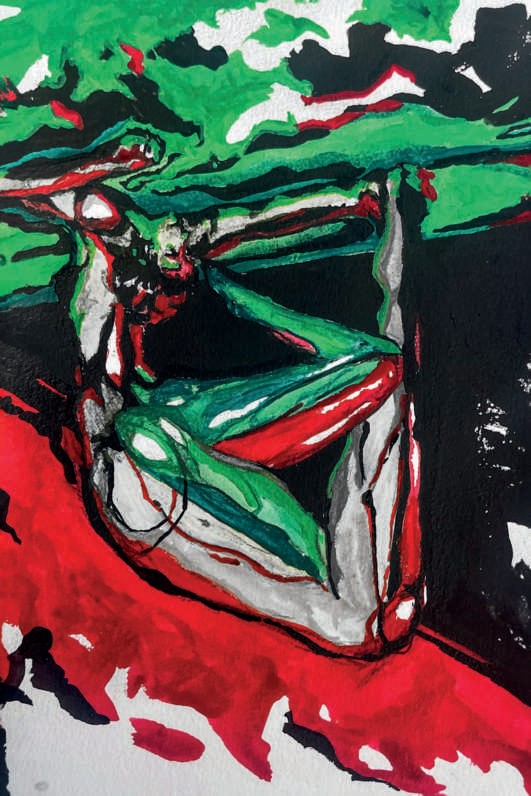
I am convinced that art becomes popular because it carries a truth. A truth you may not be able to put into words yet, but it is there, in colour and matter. Finding that truth and understanding it is, for me, the joy of art. It is why I paint, and it is why I look at paintings the way other people take apart engines.
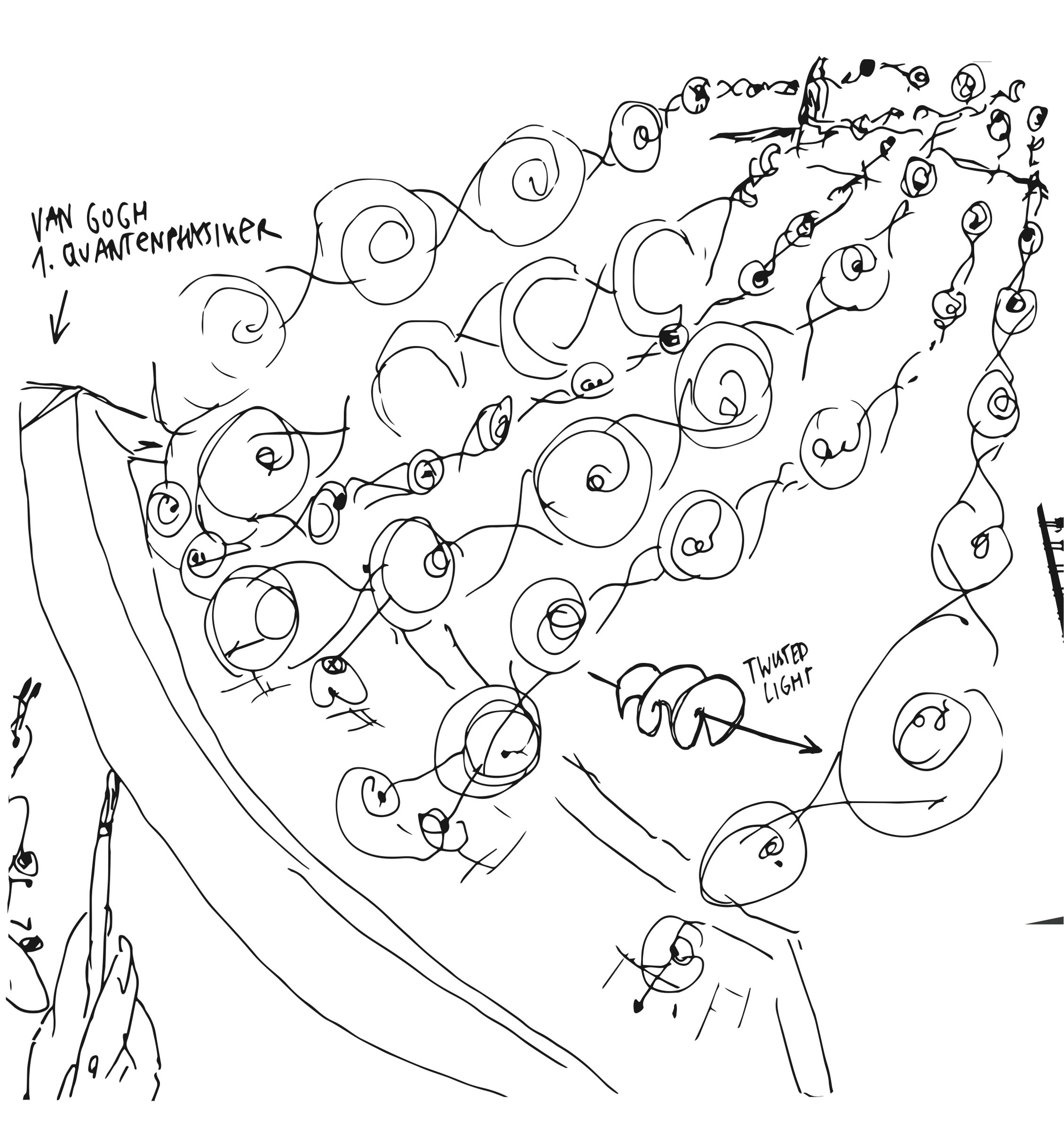
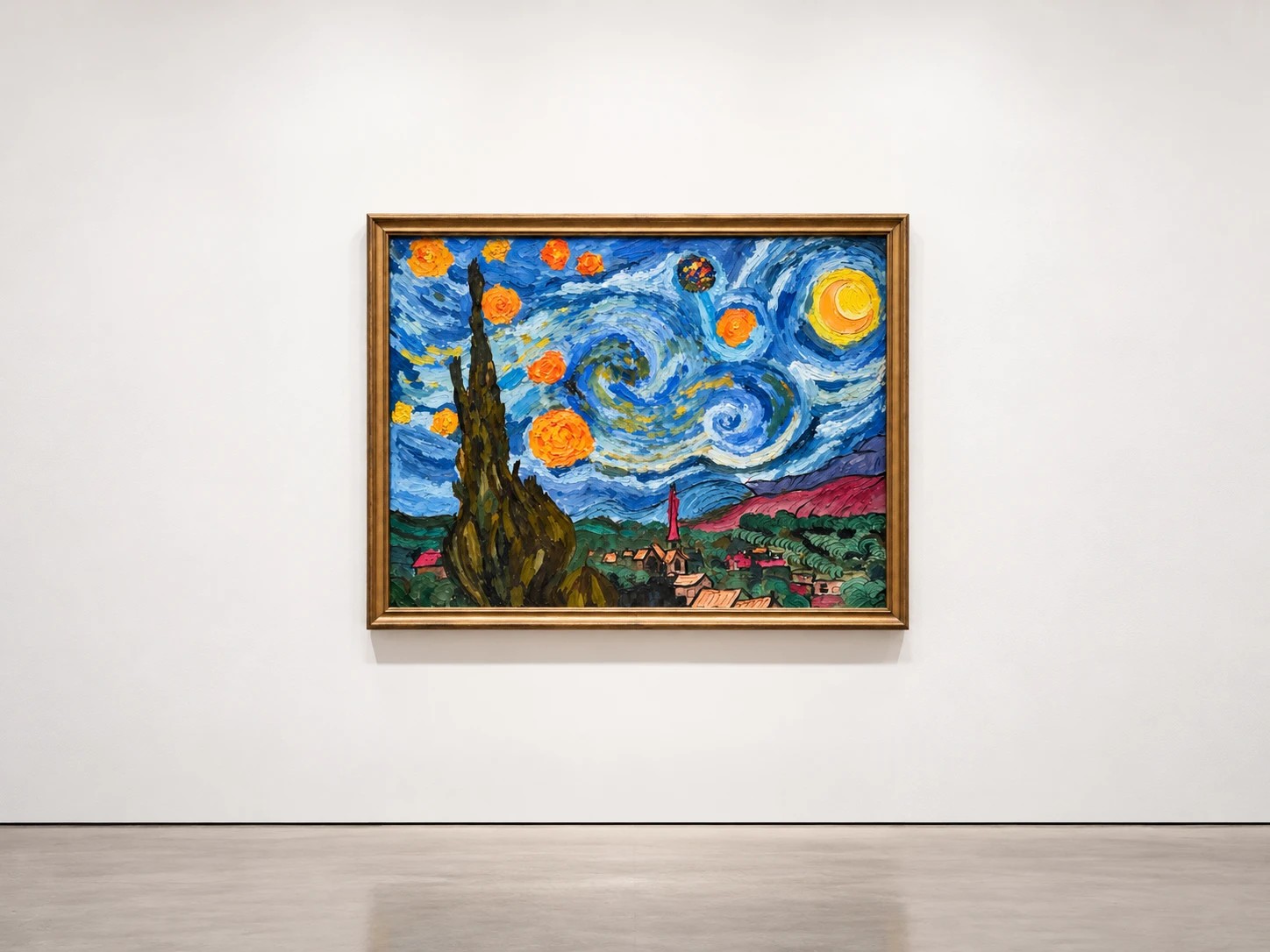
It started when I copied Van Gogh's Starry Night at the age of six. Did he paint it that way because he found it beautiful? Did he have an eye condition and simply see the world like that? Or was he so sensitive that he perceived something, a twist in the light, that everyone feels but only he could put into form?
The same with the Mona Lisa. Why does she look at you? Art history answers with technique: sfumato, thirty layers of glaze, the missing eyebrows, the soft corners of the mouth that make the smile flicker in your peripheral vision. Fine. You can list all of it. As an explanation it makes no sense to me. As soon as we take art for granted, it is dead. We should always question the status quo.
A photograph is not what you see
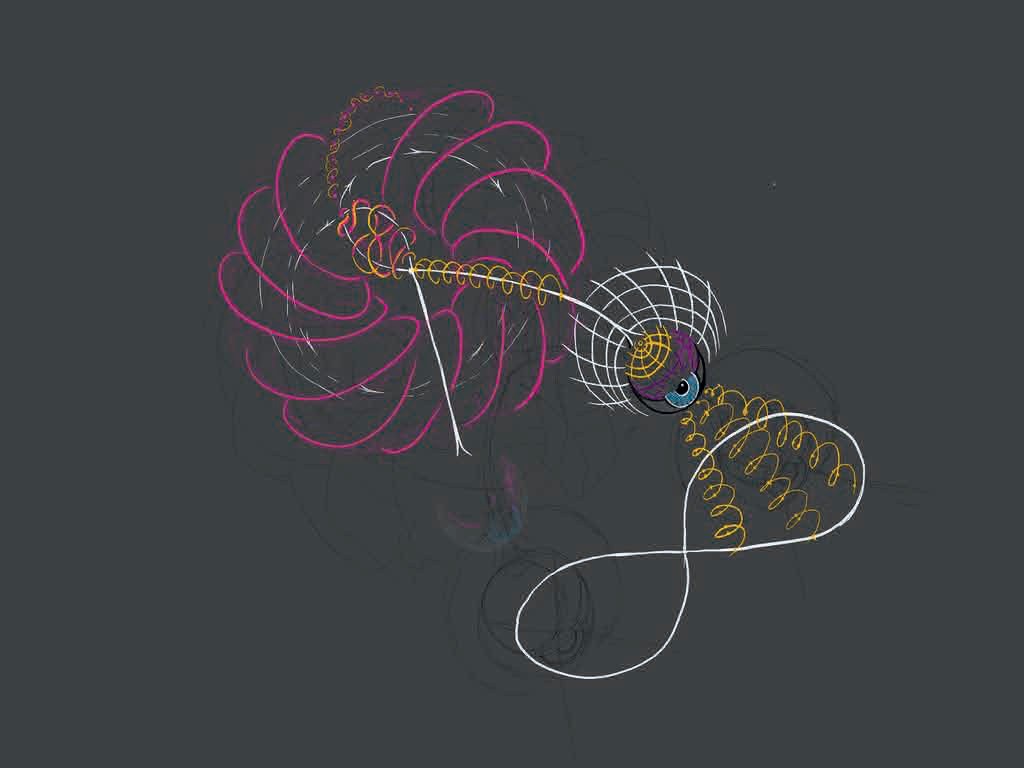
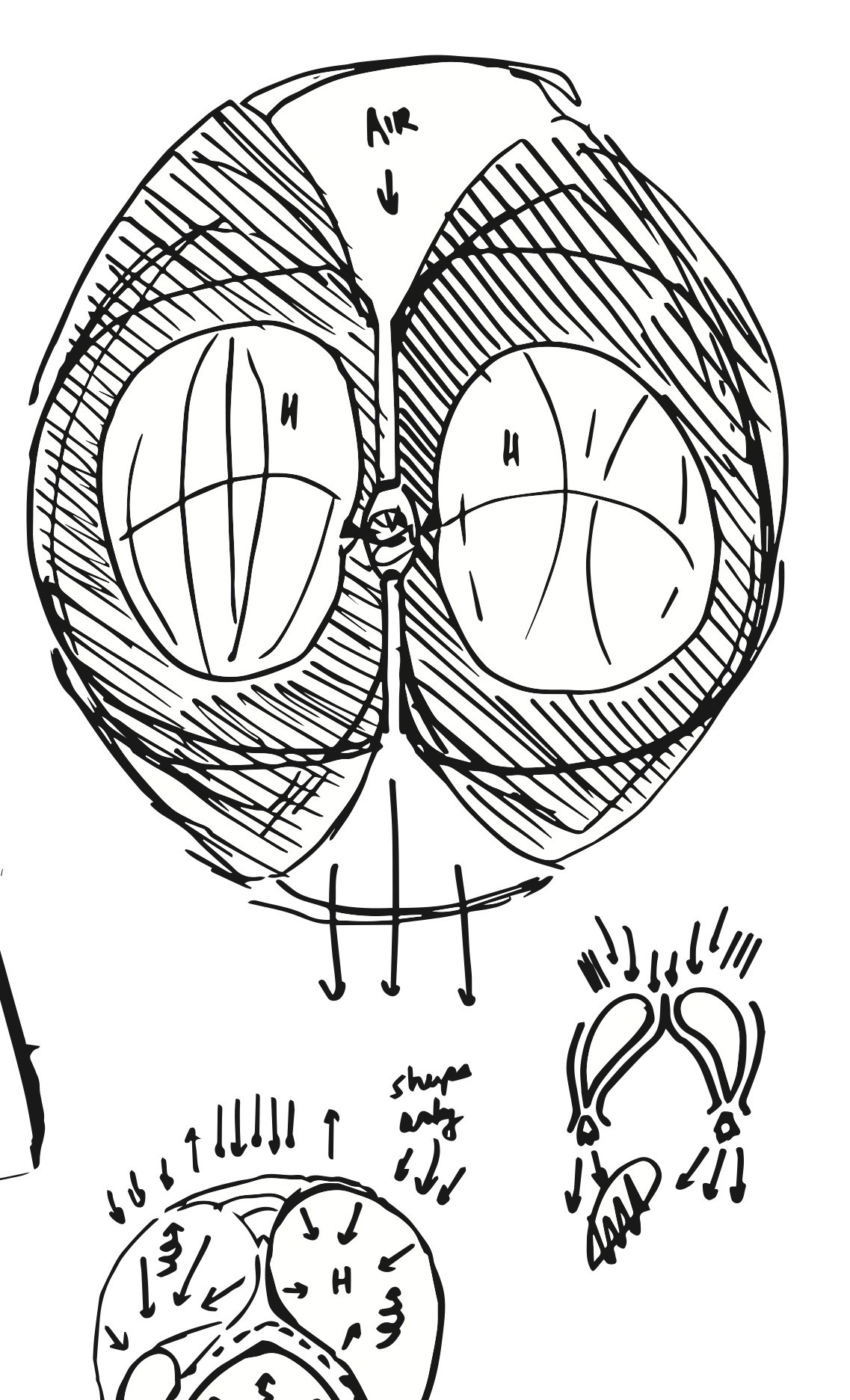
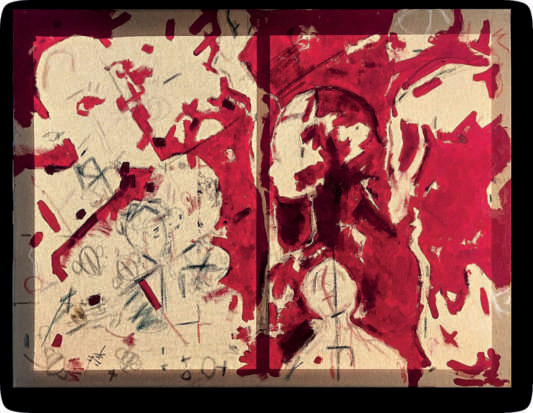
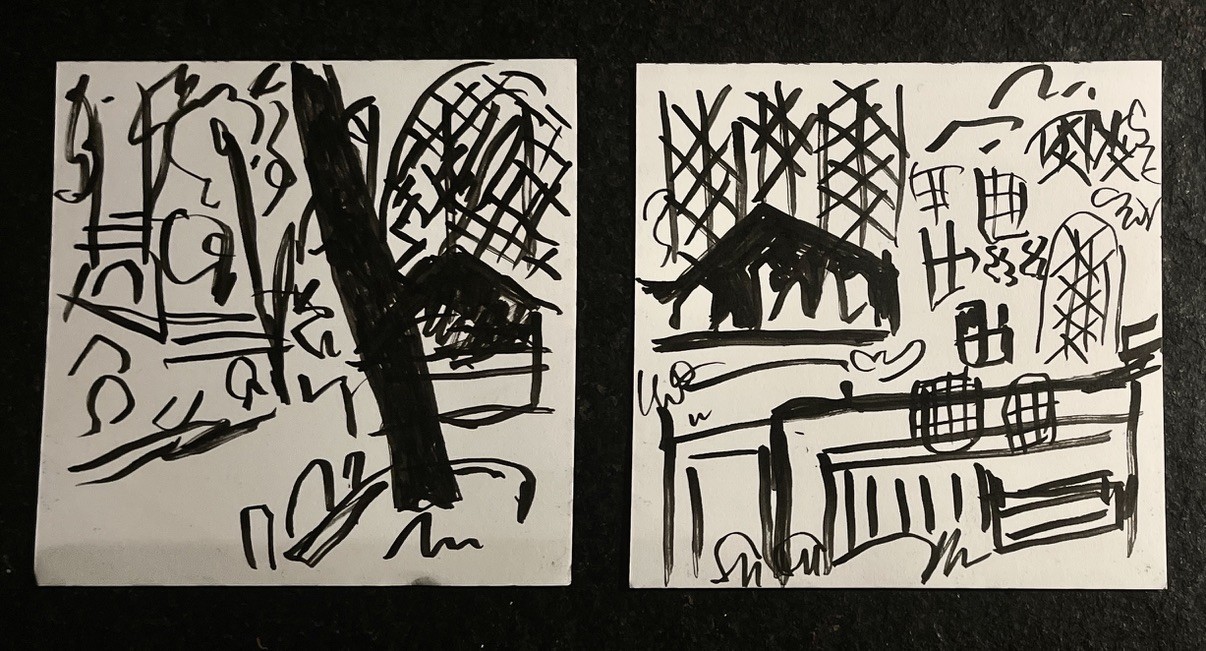
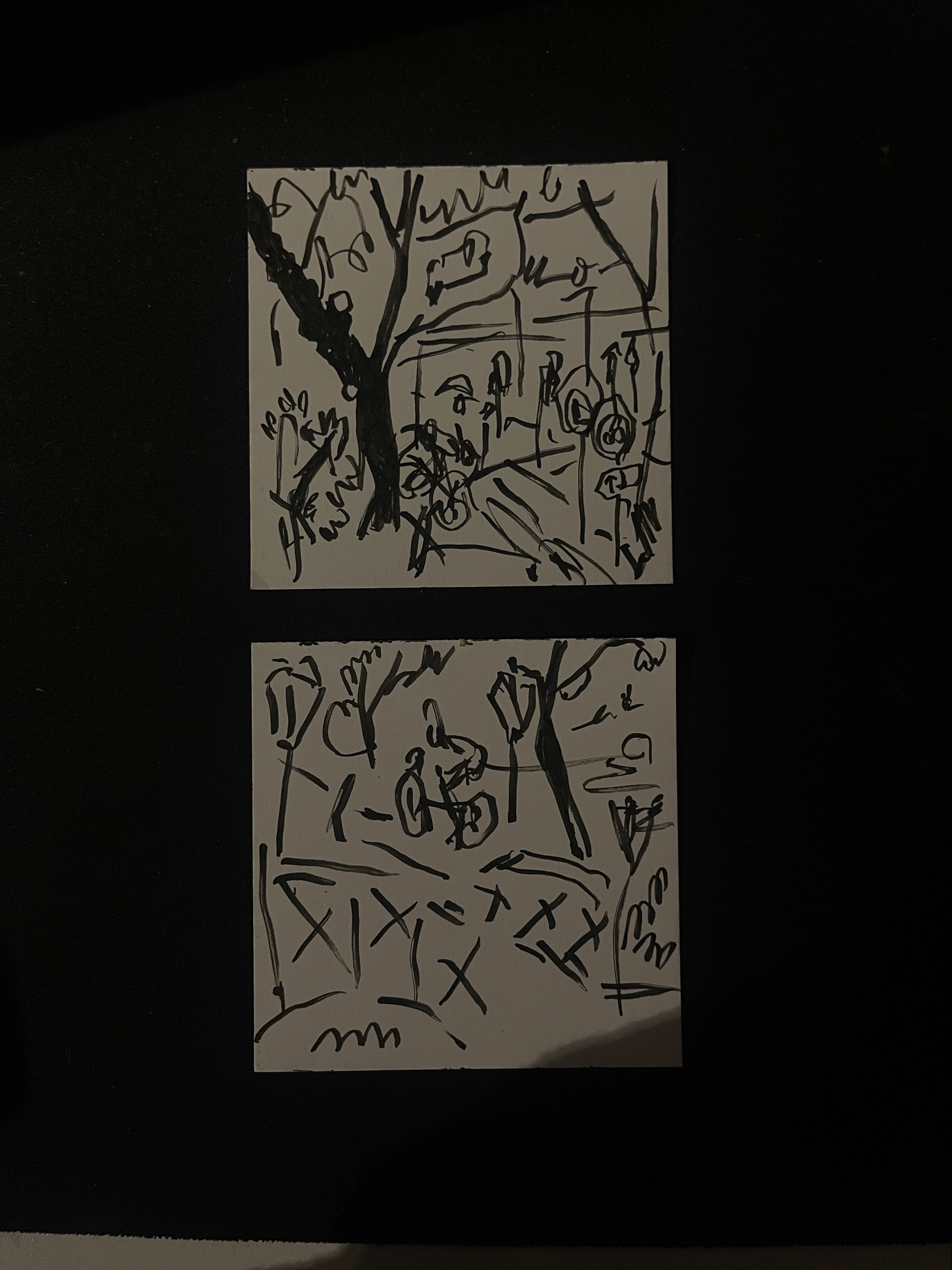
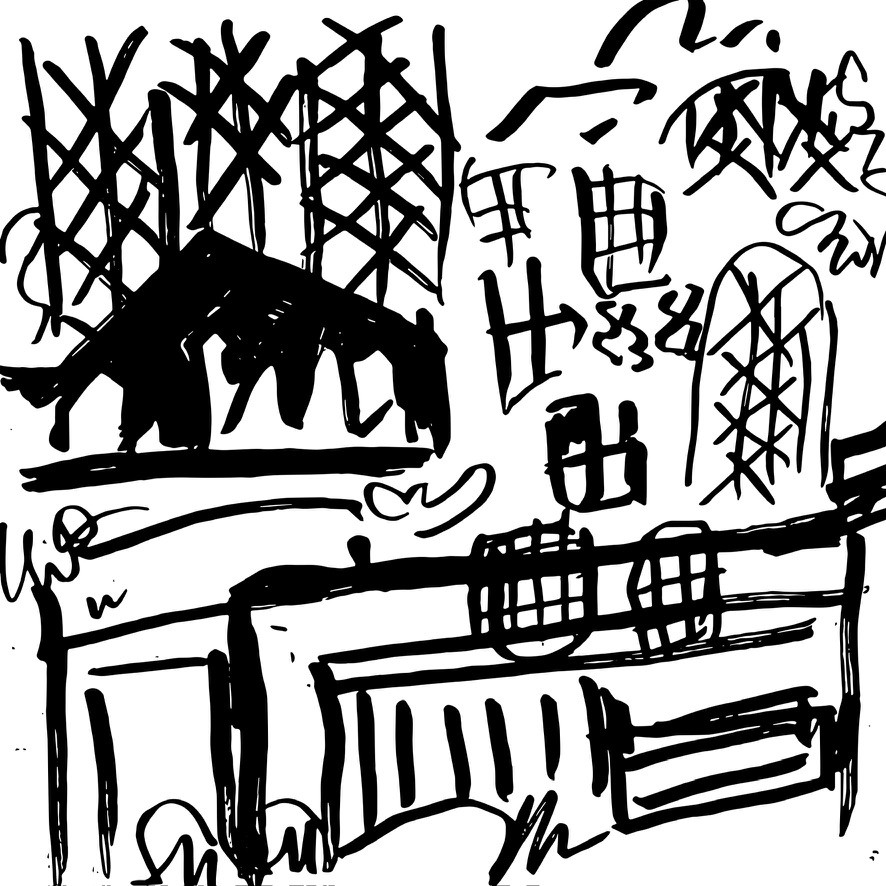
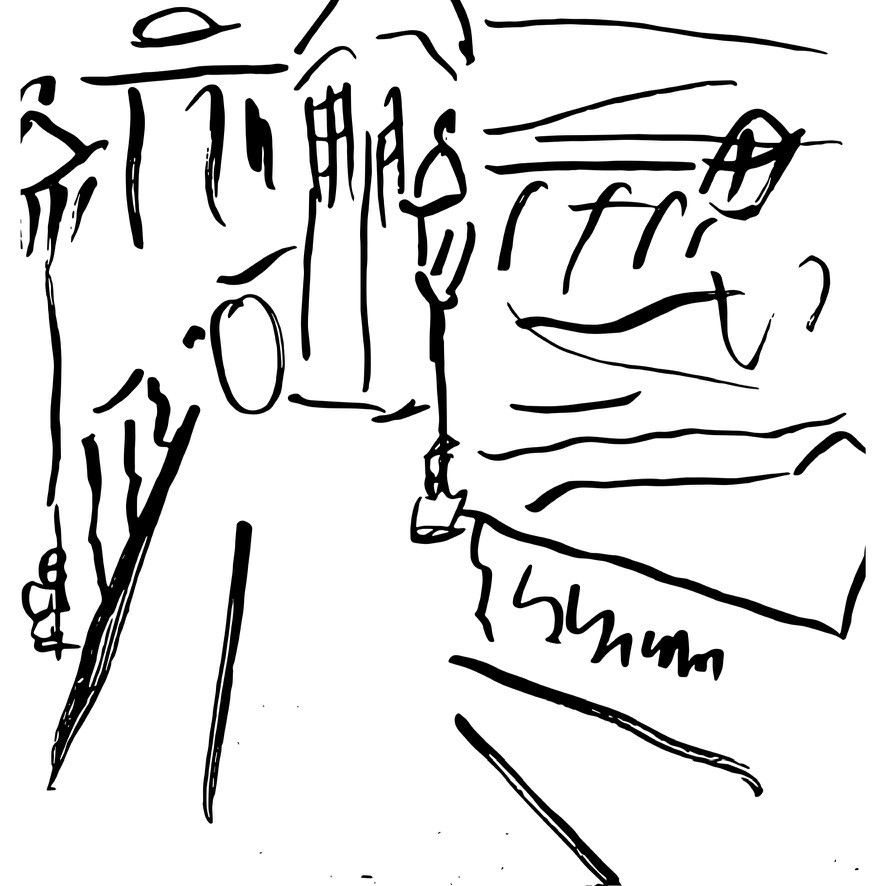
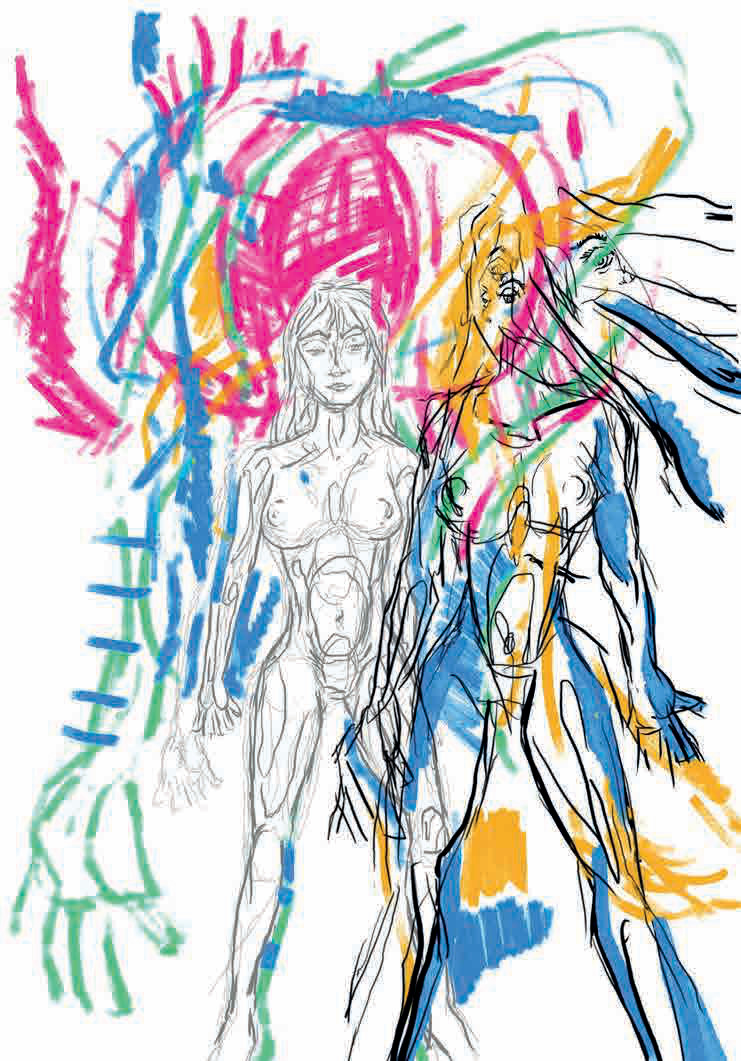
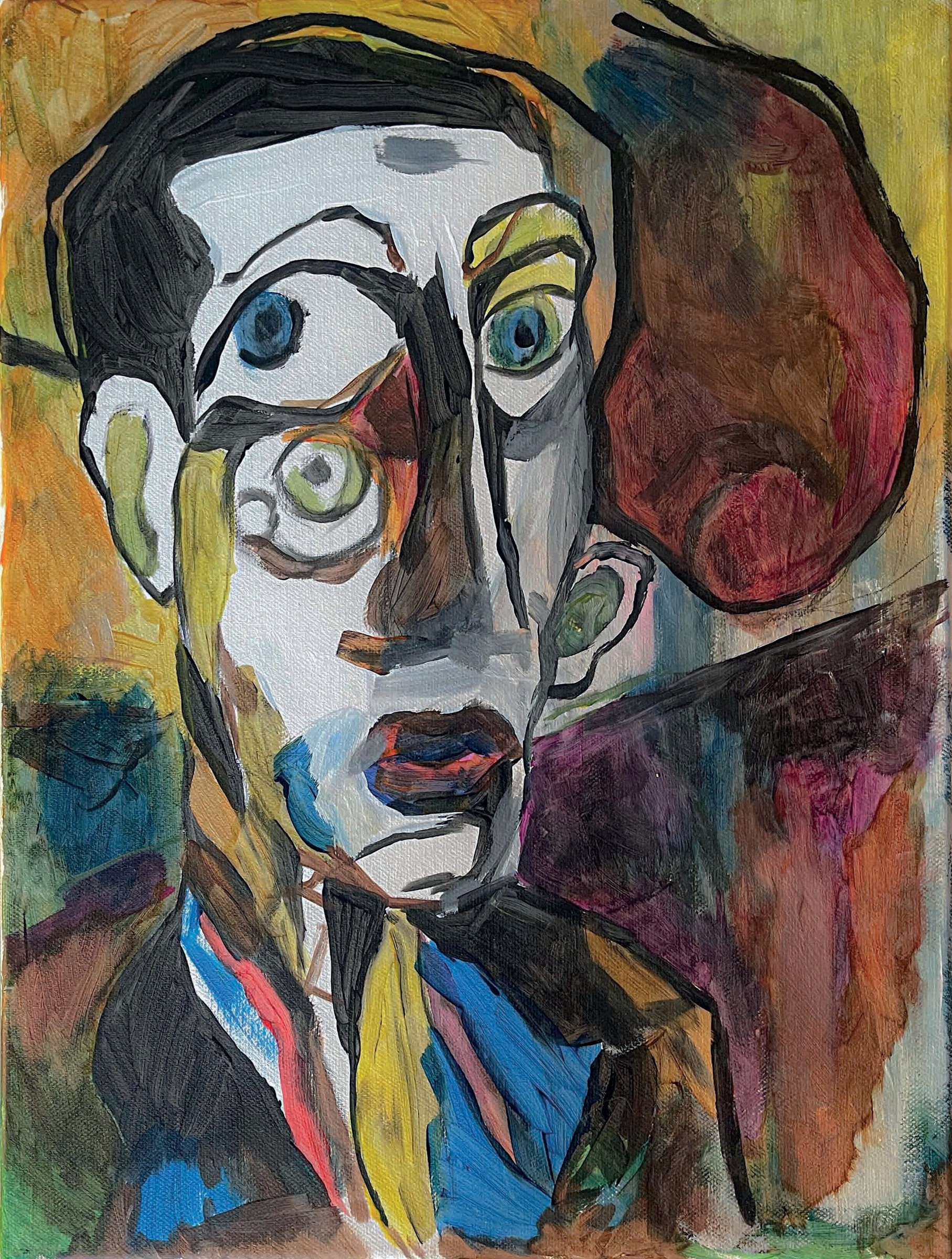
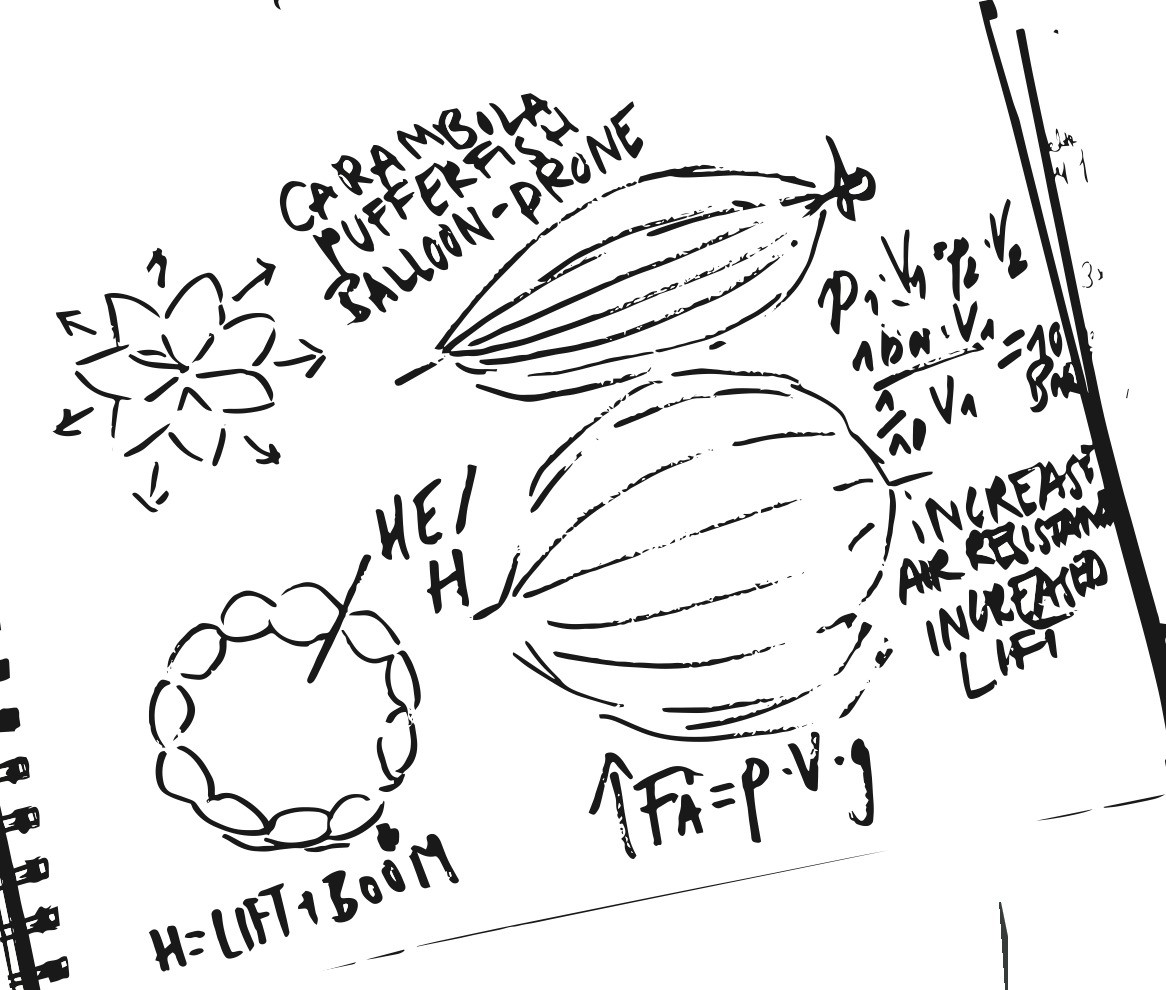
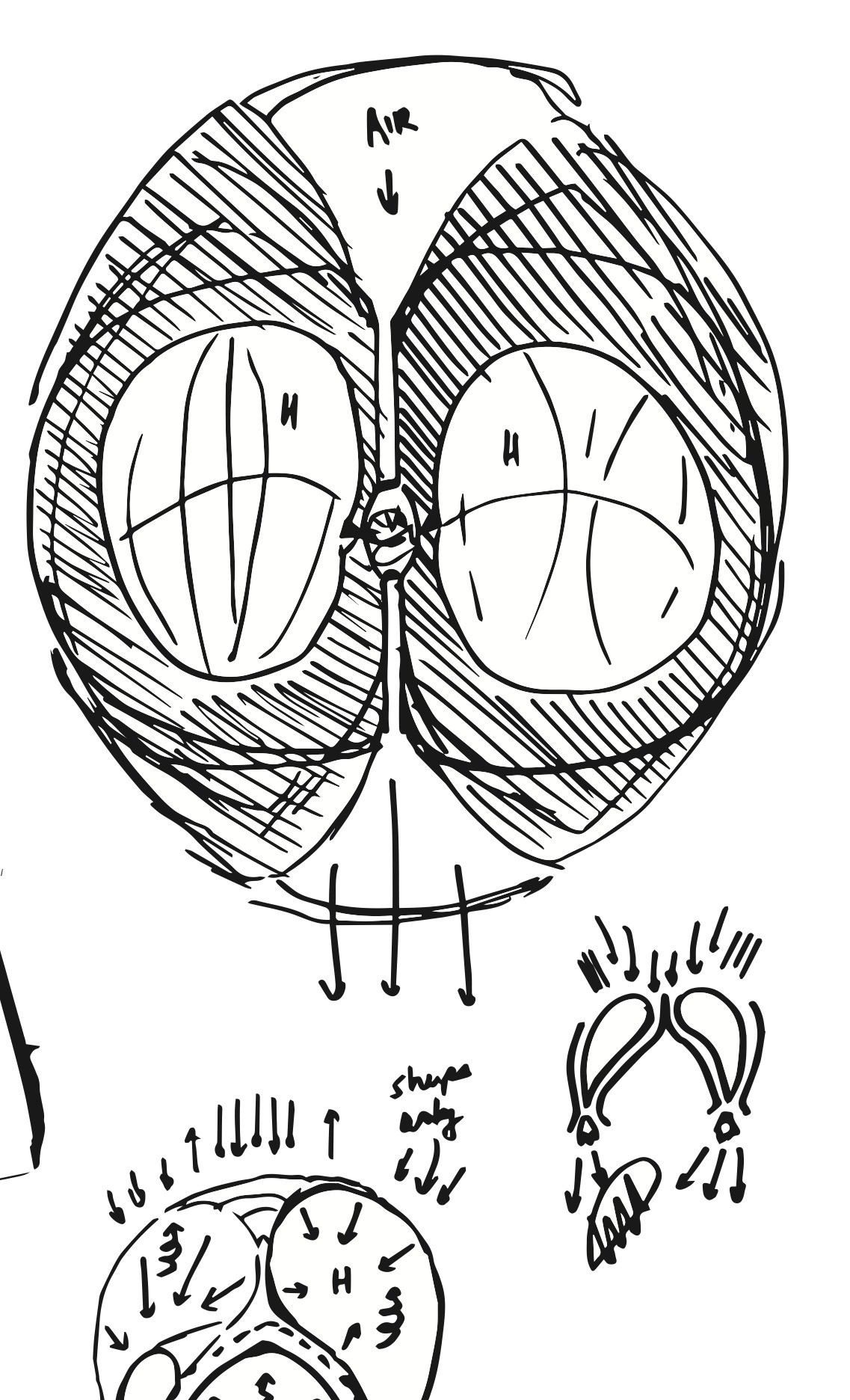
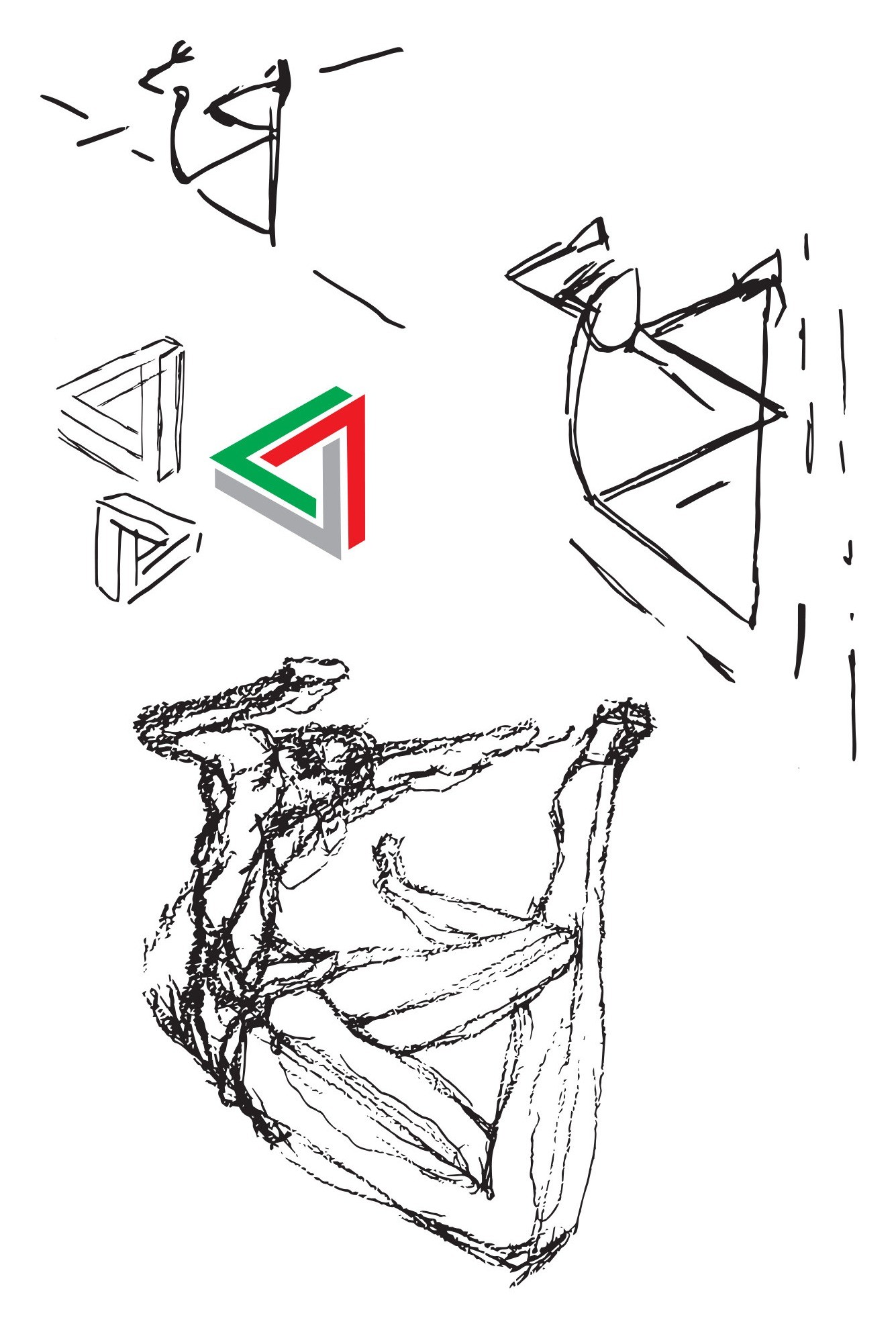
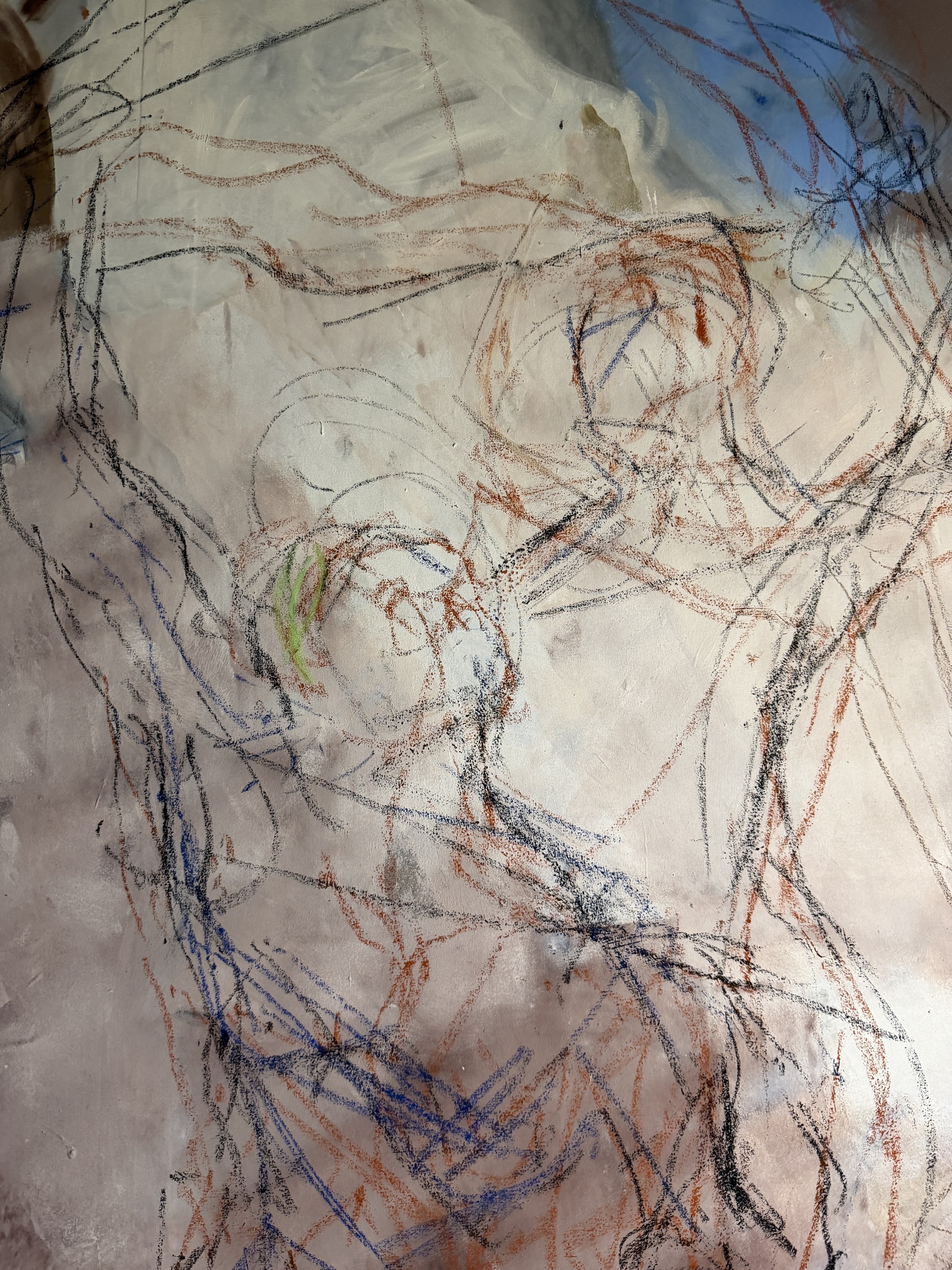
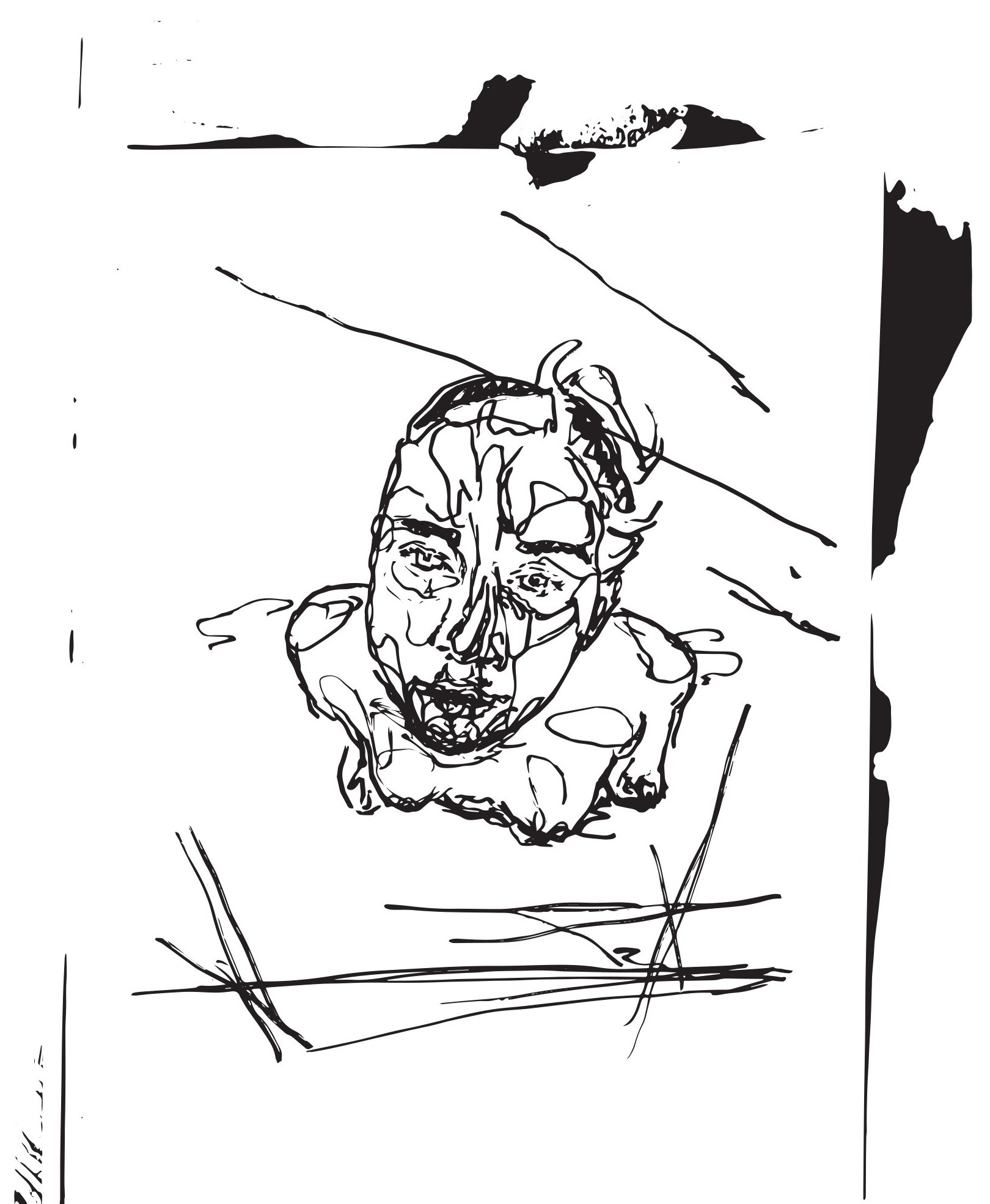
Much of my work is about how a painting is perceived in a room, how AI perceives images, and how our brain sees stereoscopically. In 2018 I constructed a figure from two eye views: one drawing for the left eye, one for the right, laid over each other as a stereo pair, with the diagrams of the binocular setup next to it.
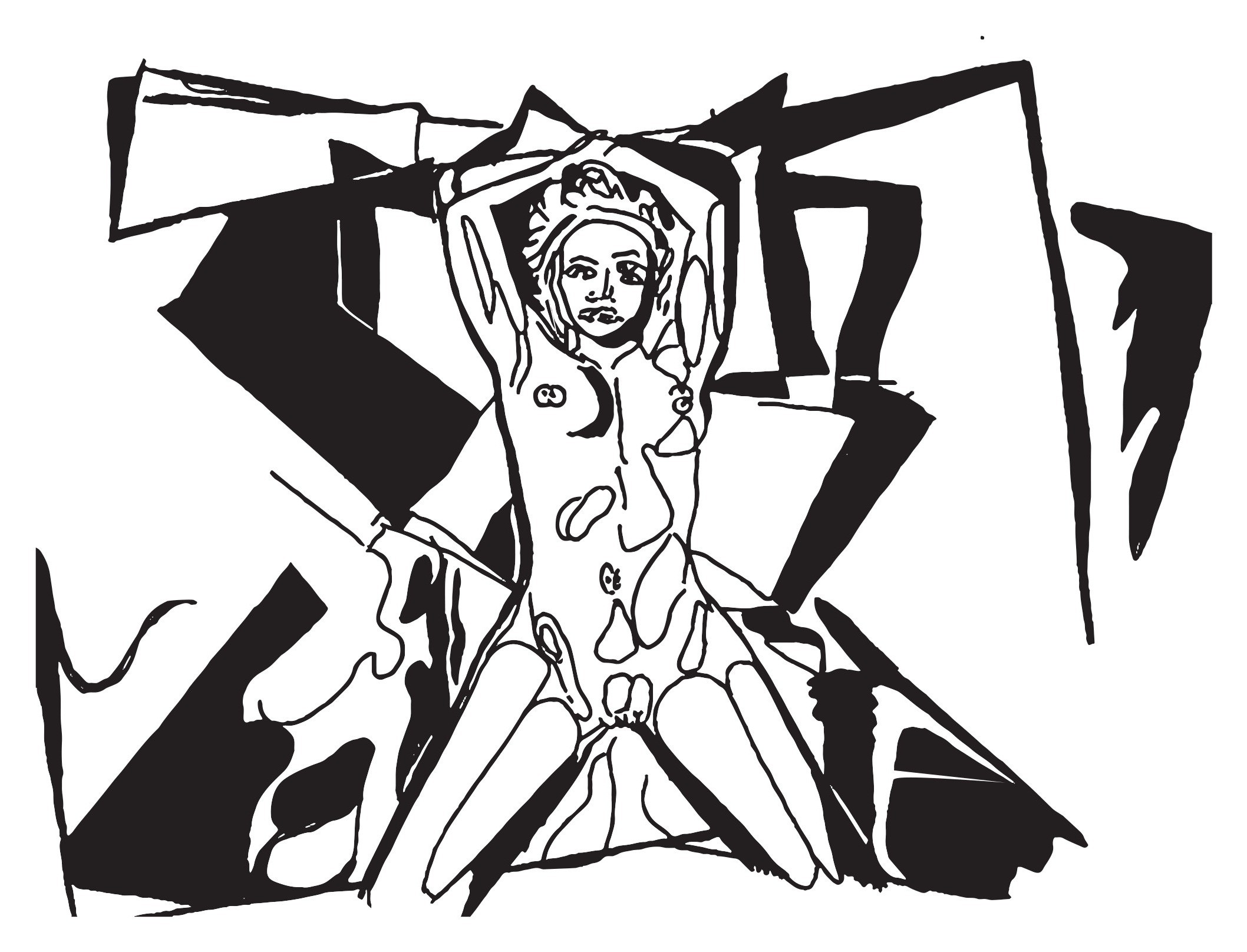
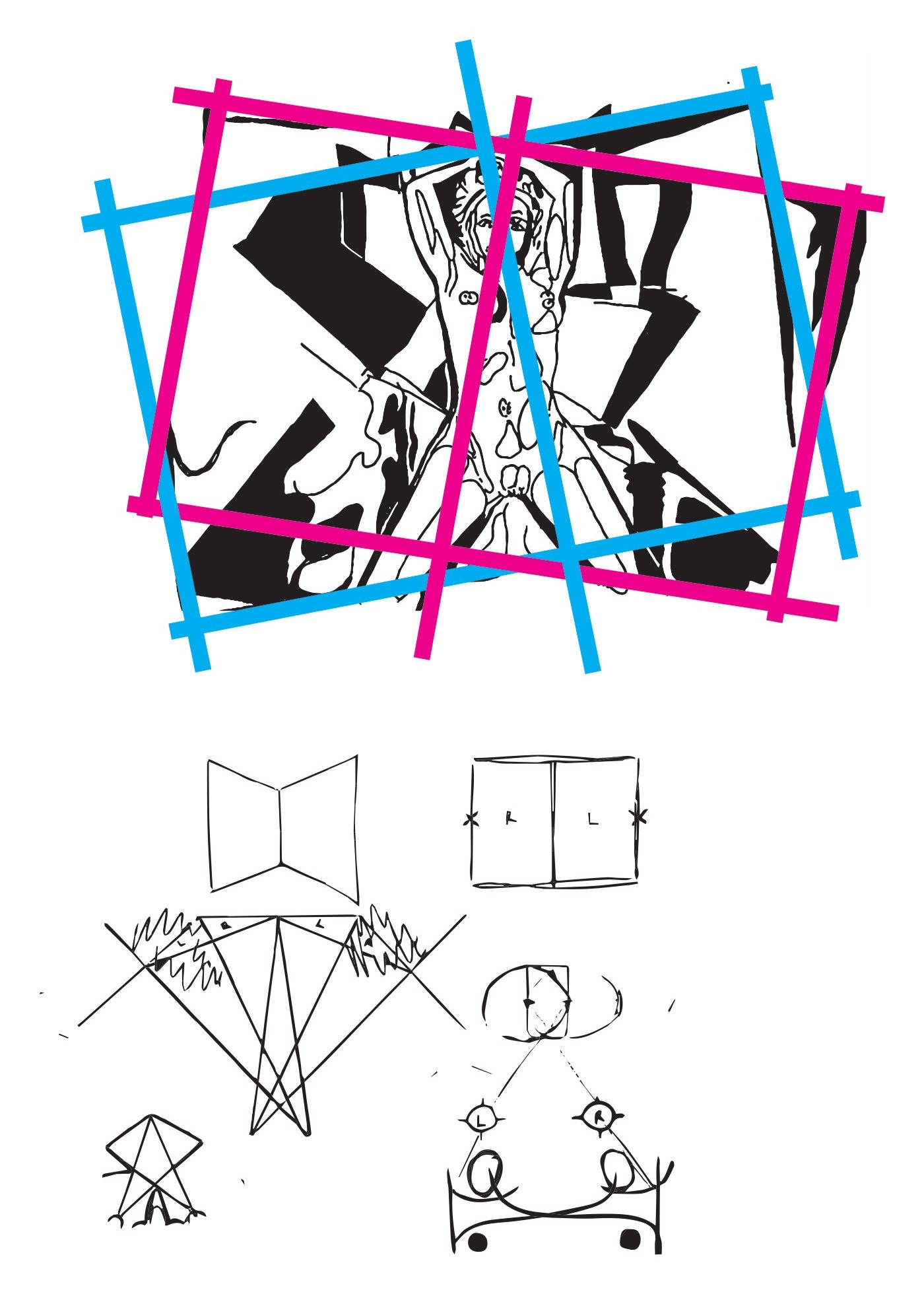
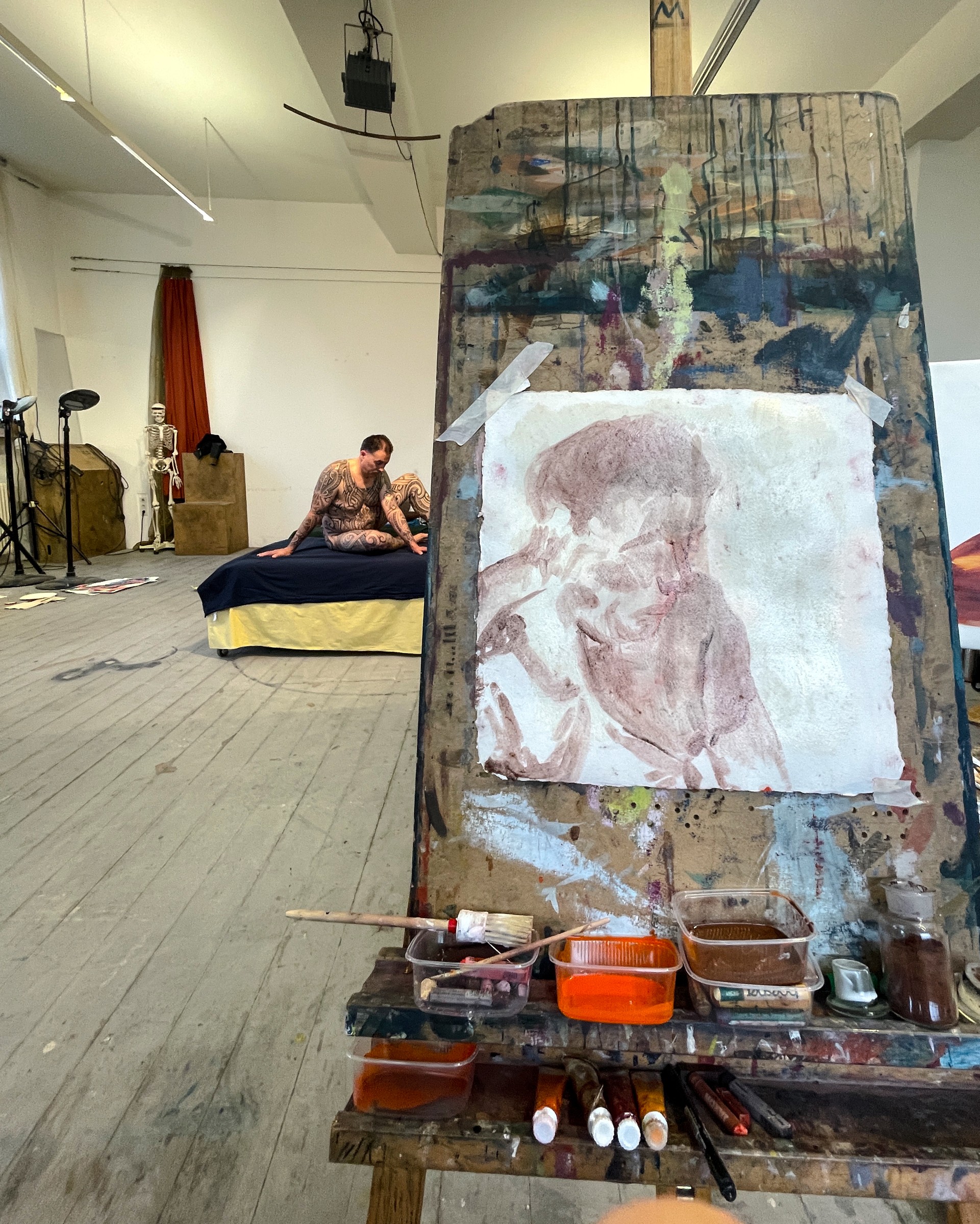
I paint with a two-metre brush so I can paint large pictures from where the viewer stands. It makes a difference. It makes a difference whether you copy a photograph and scale it up, or whether you notice that our spatial perception is more than a photograph. A photograph is only a distorted projection of a three-dimensional room onto a plane. I have analysed many paintings this way and spent years on it.
The wall
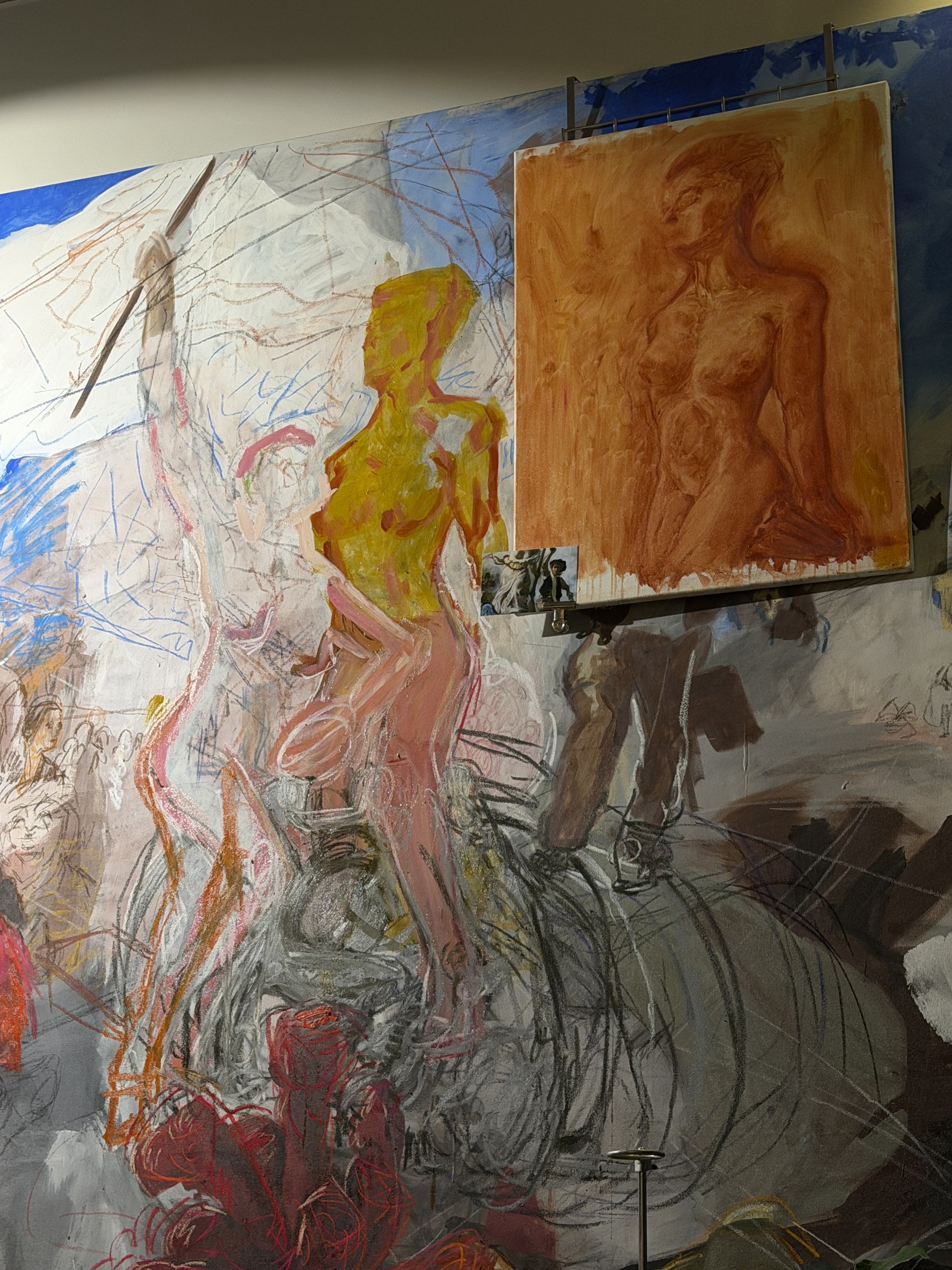
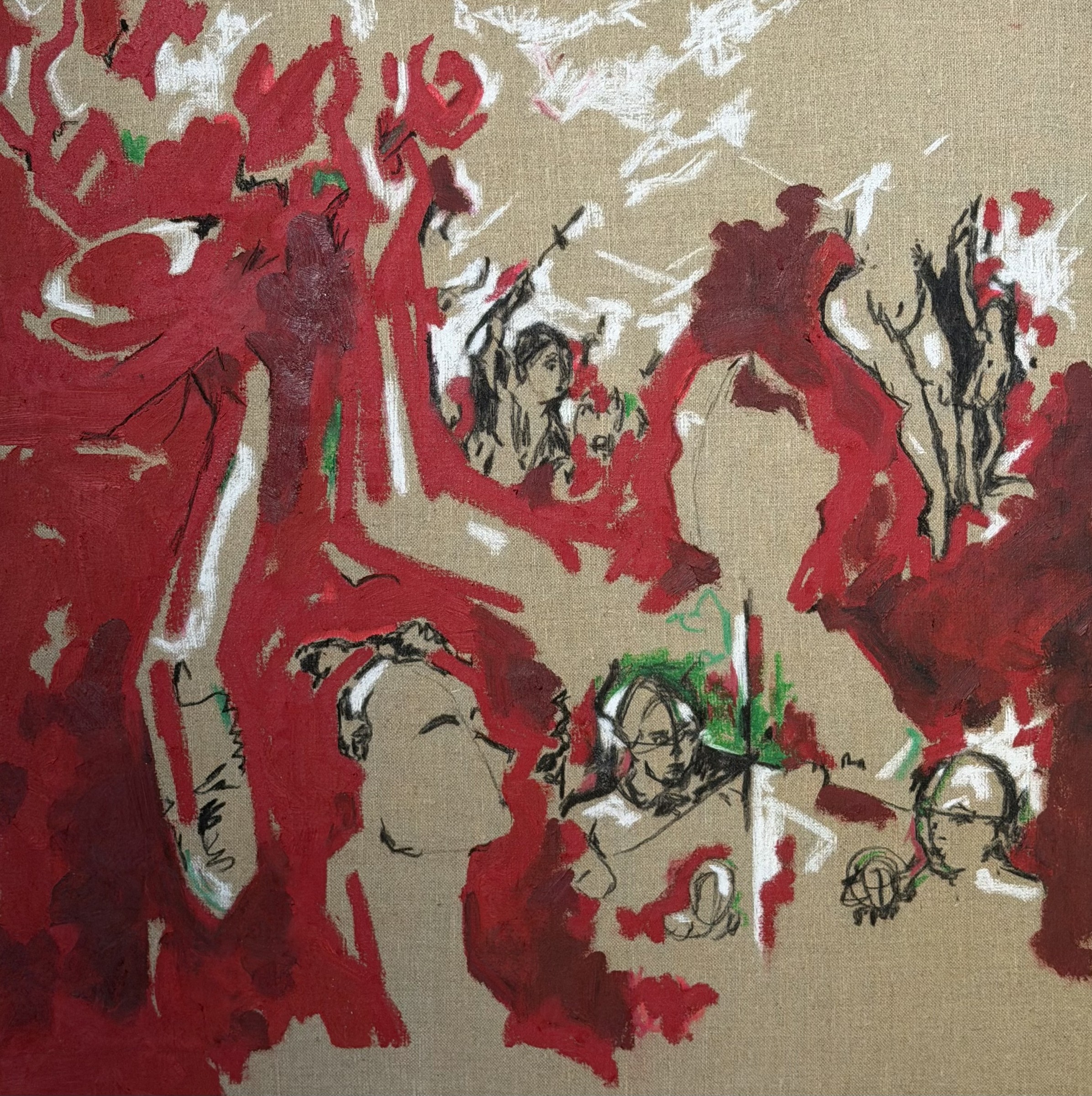
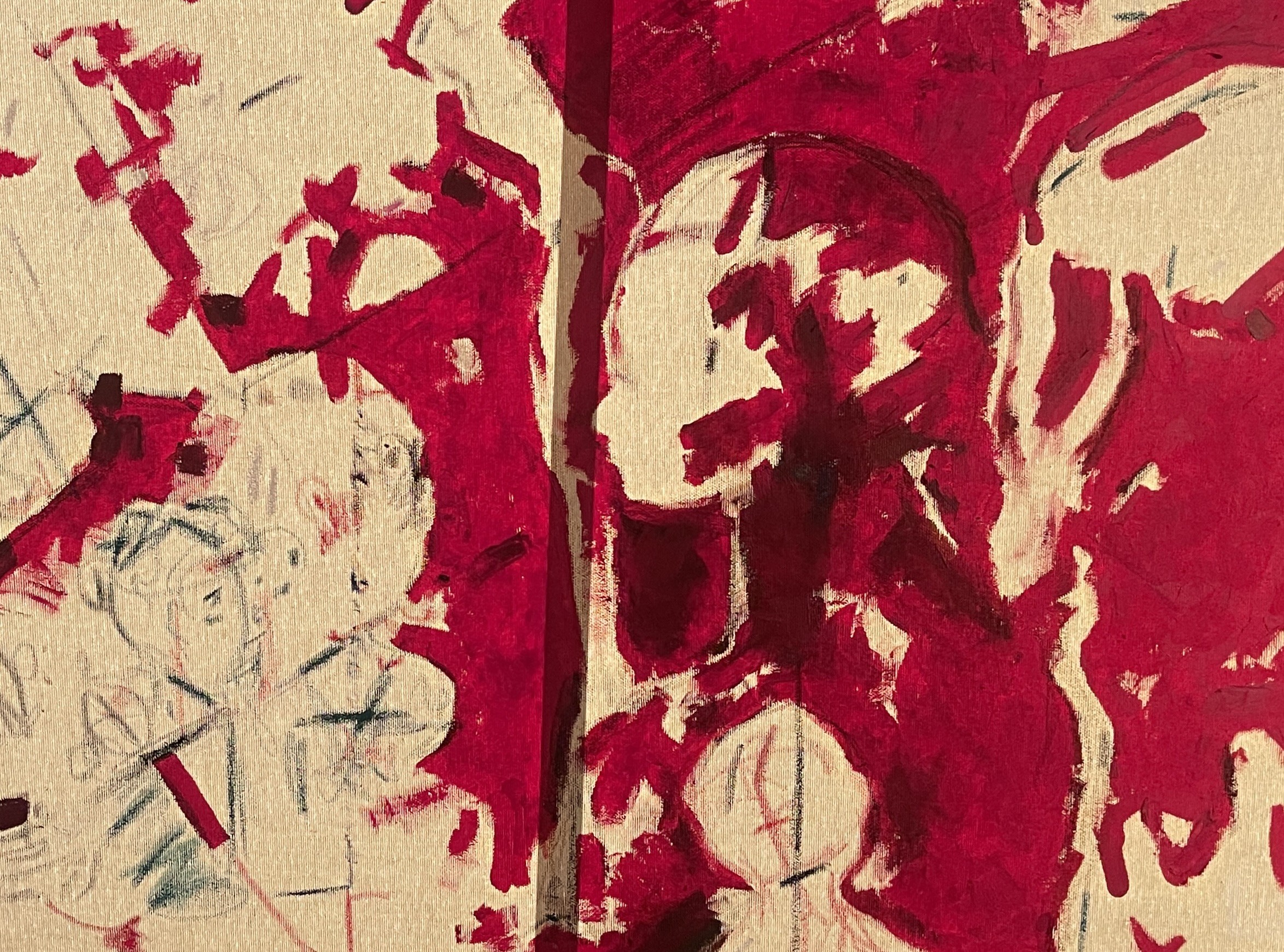
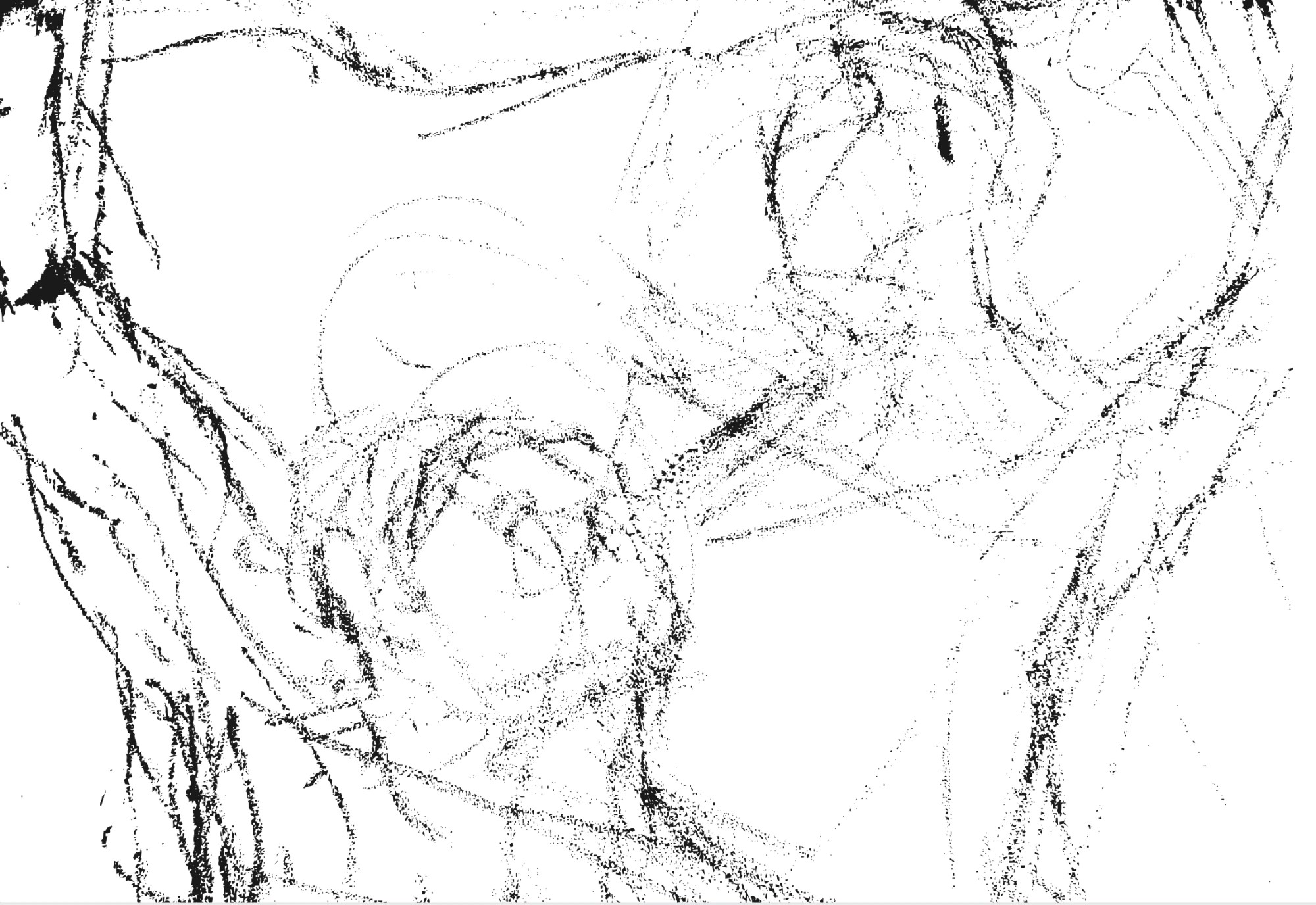
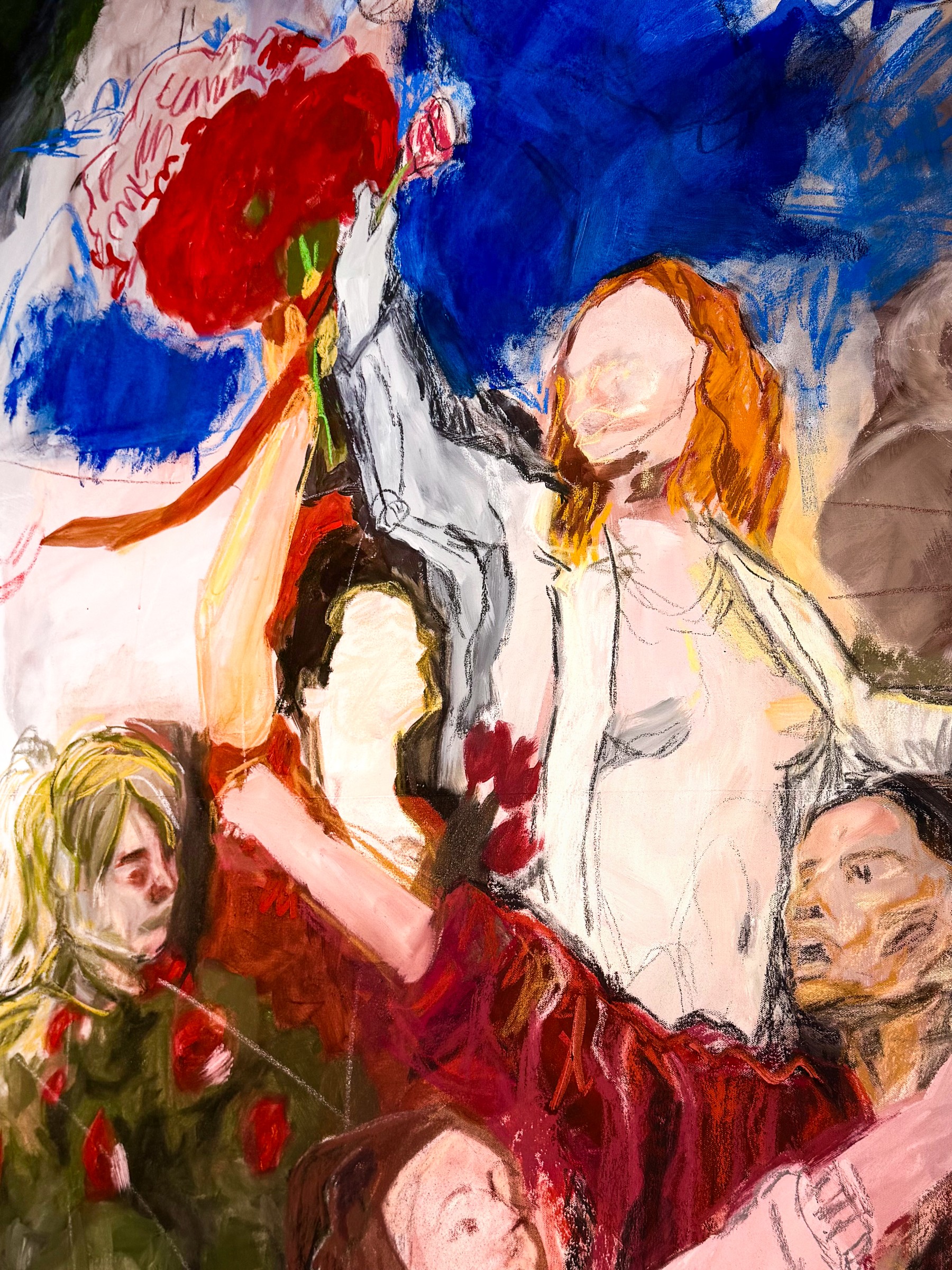
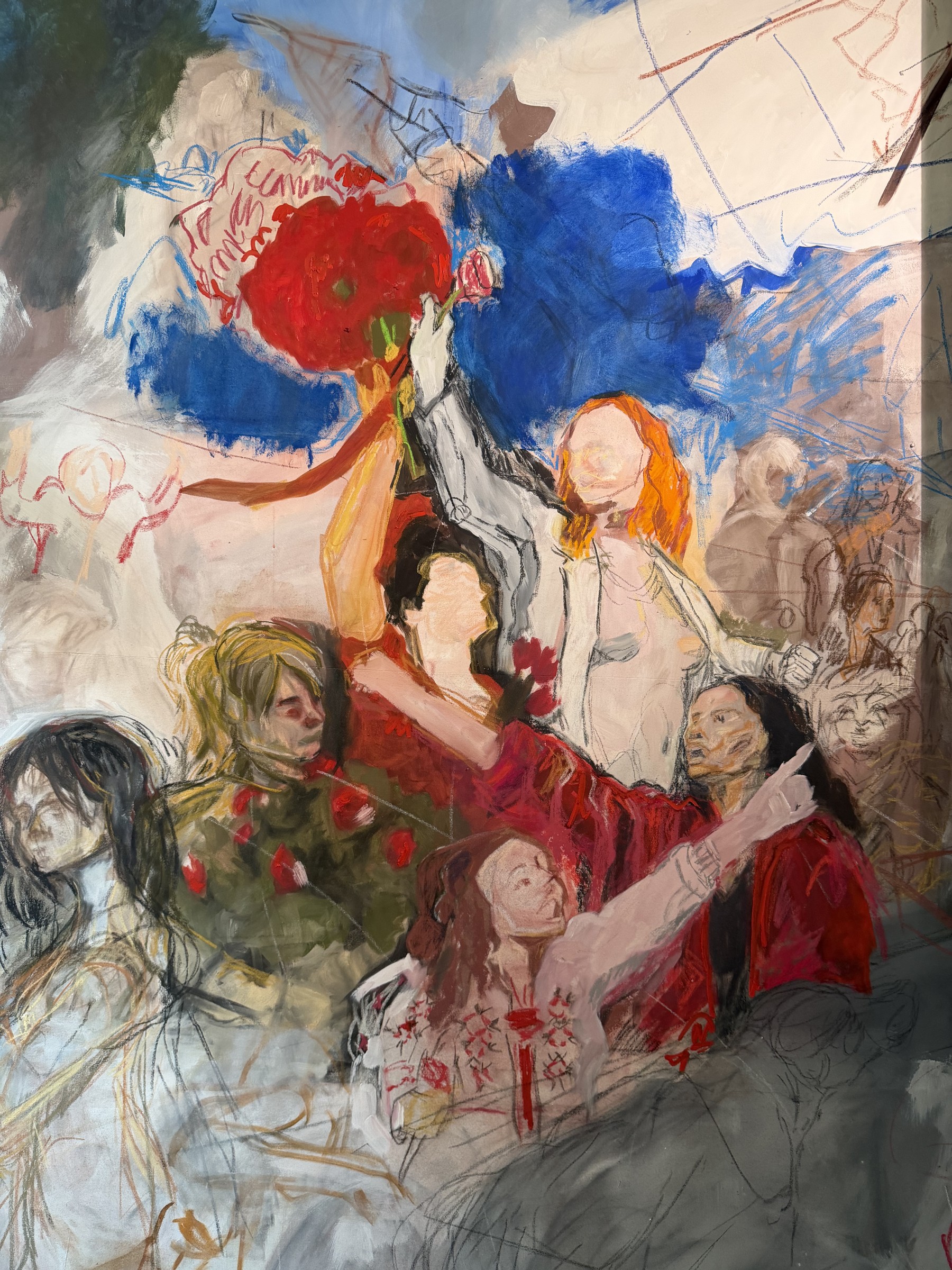
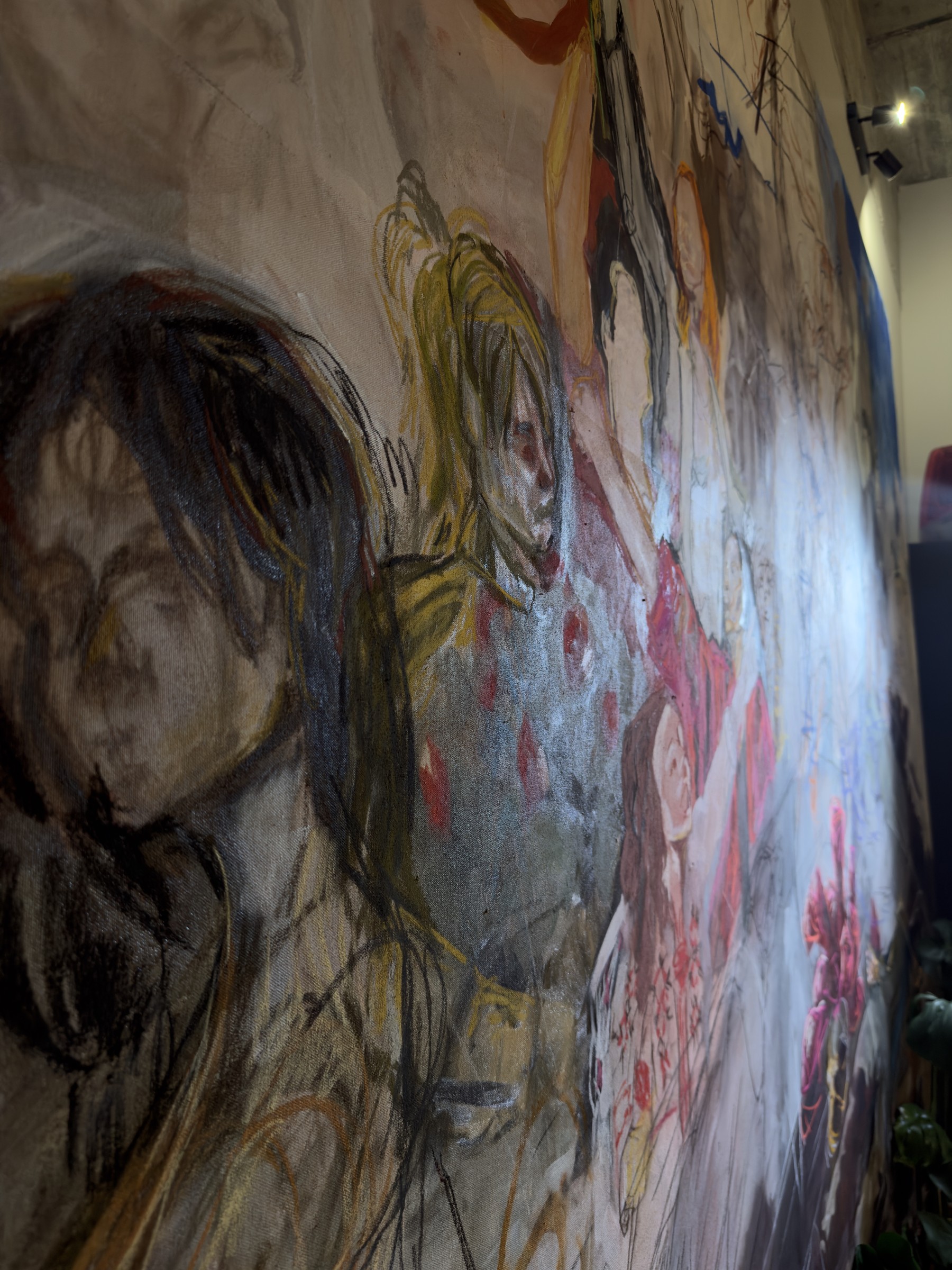
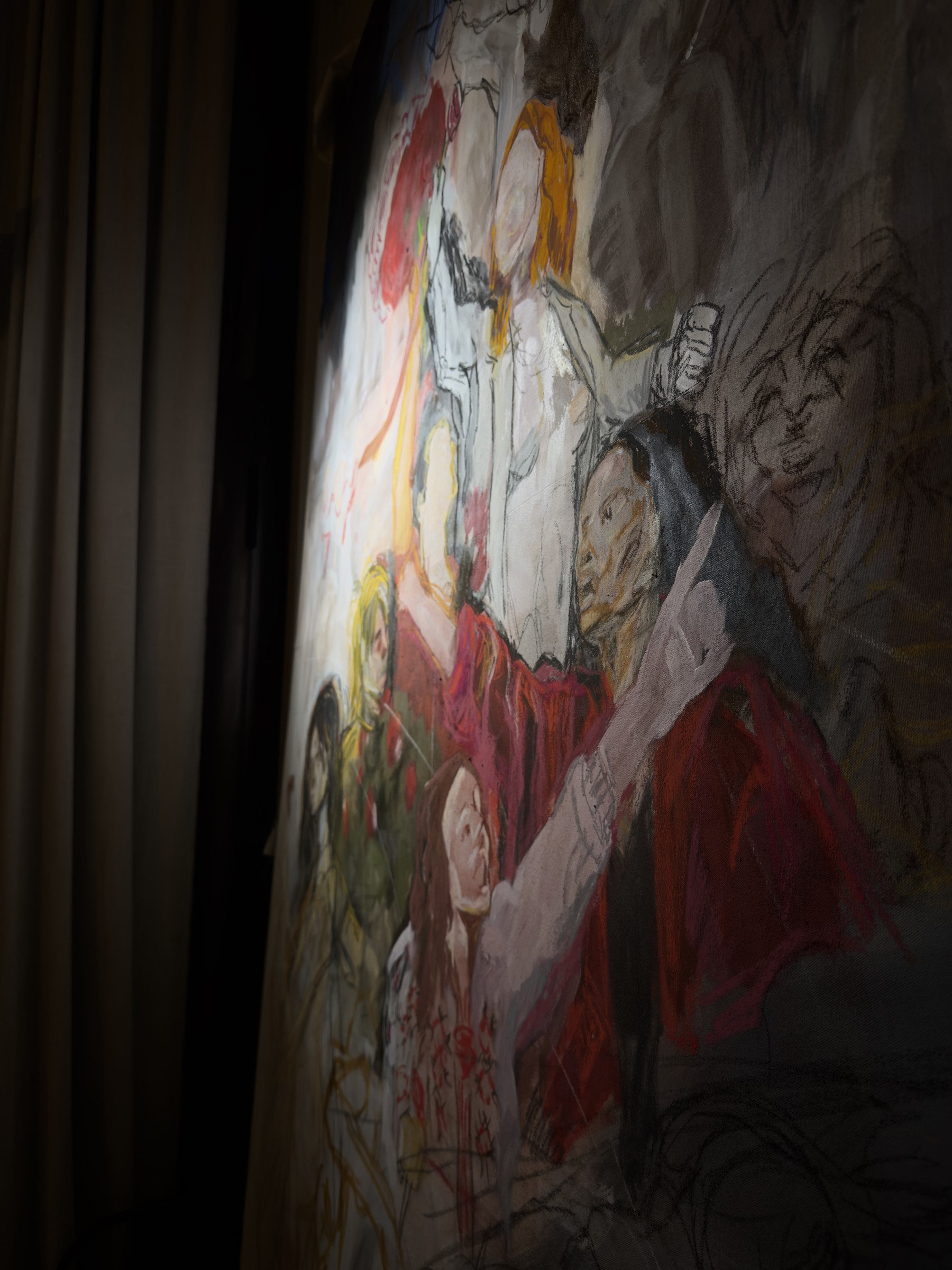
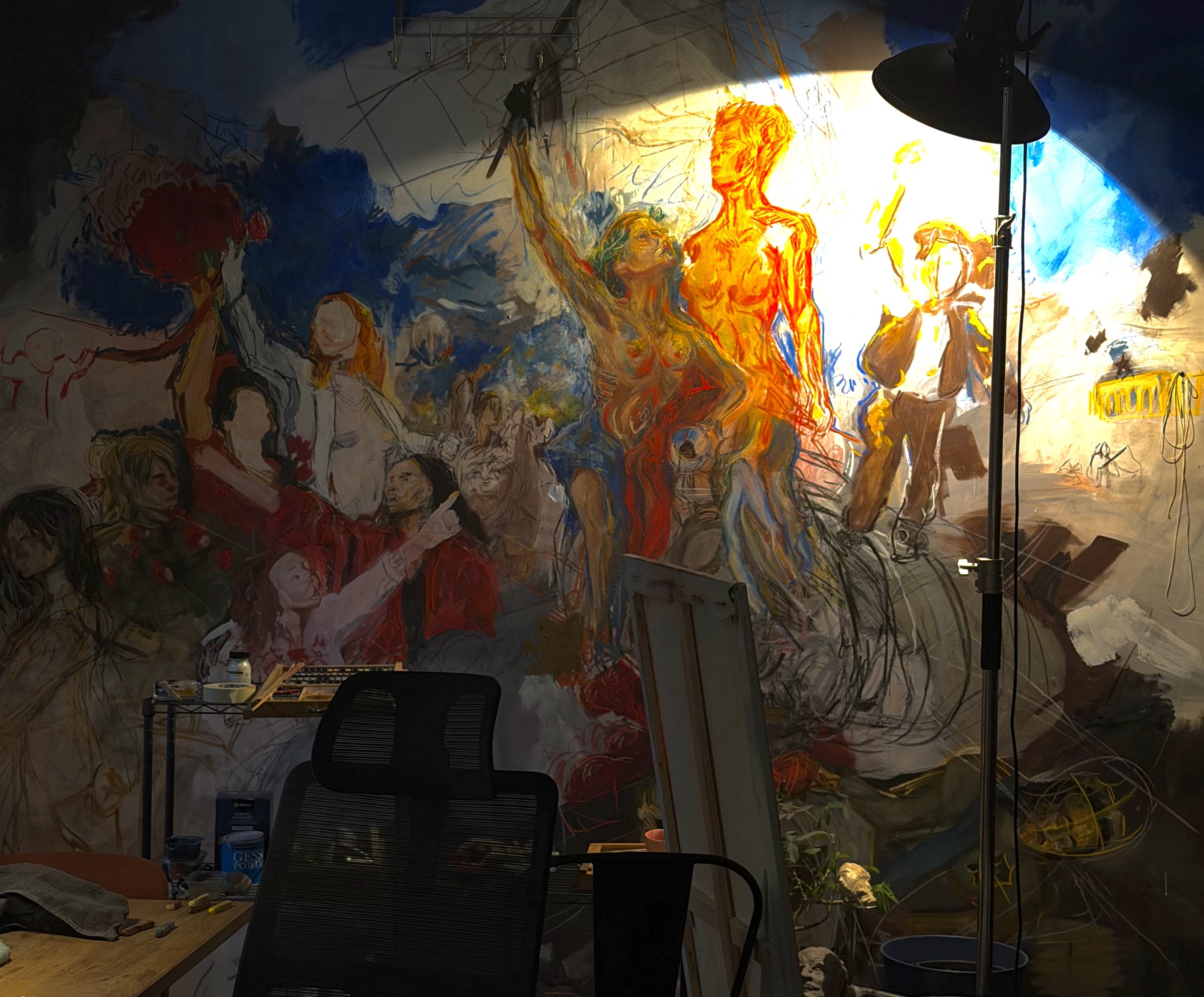
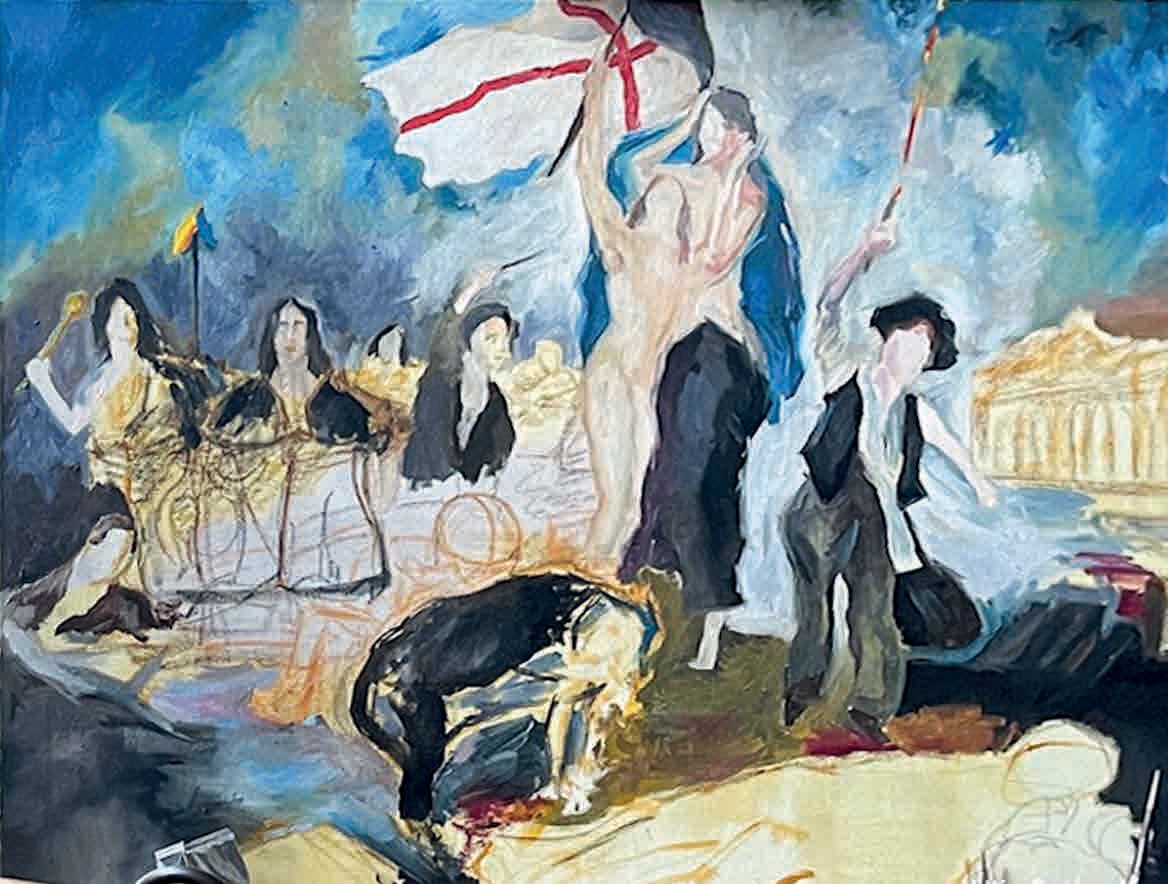
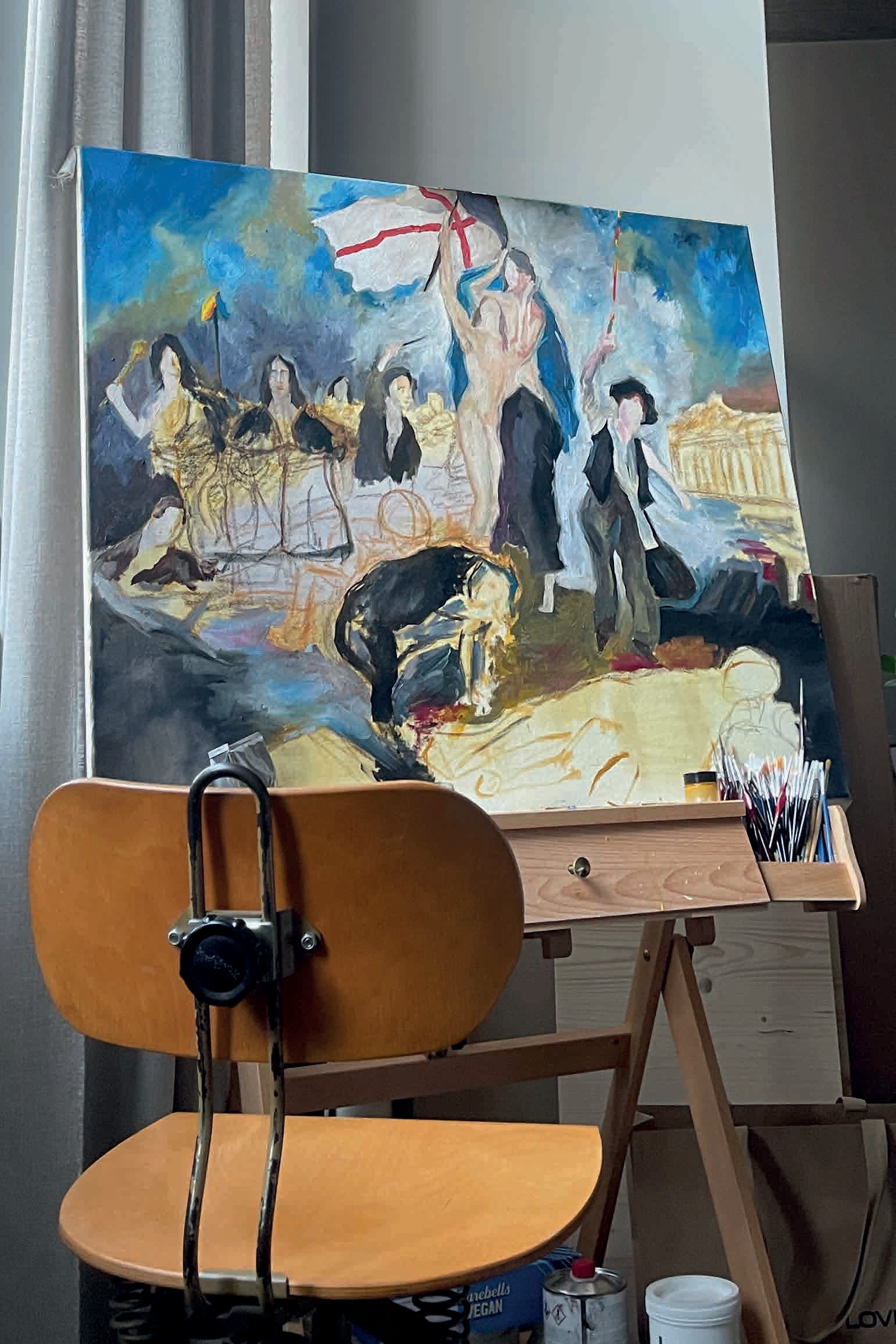
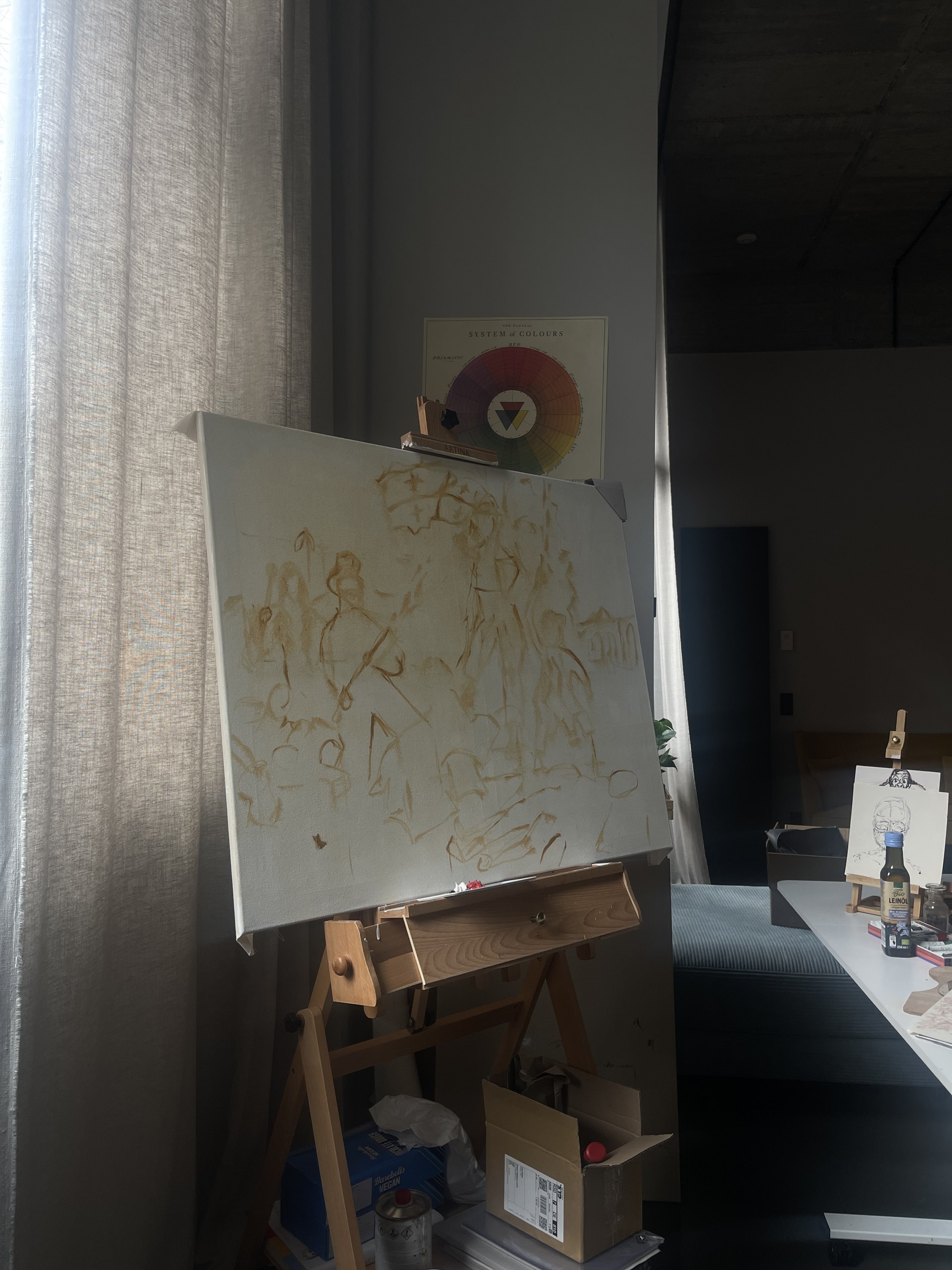
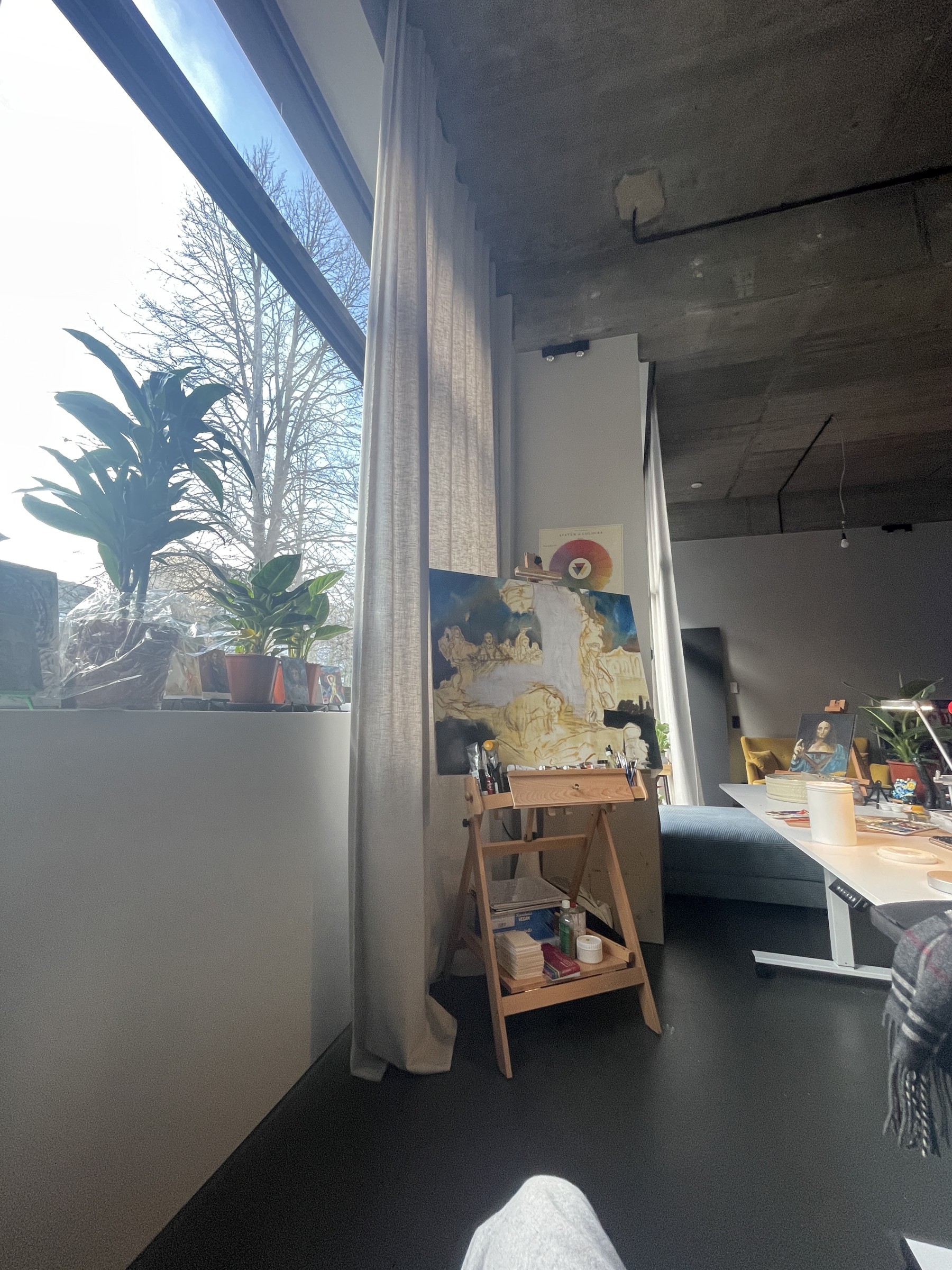
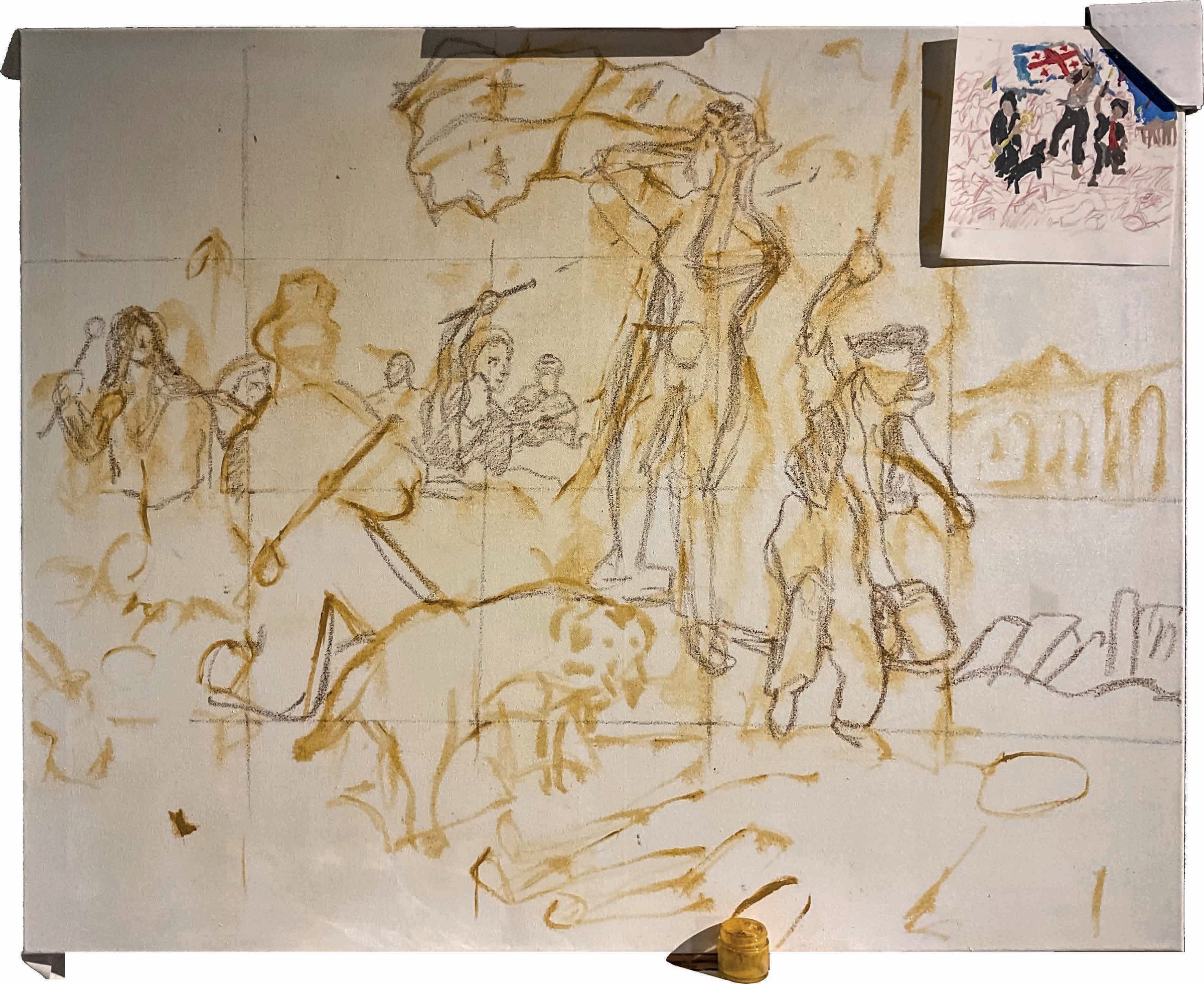
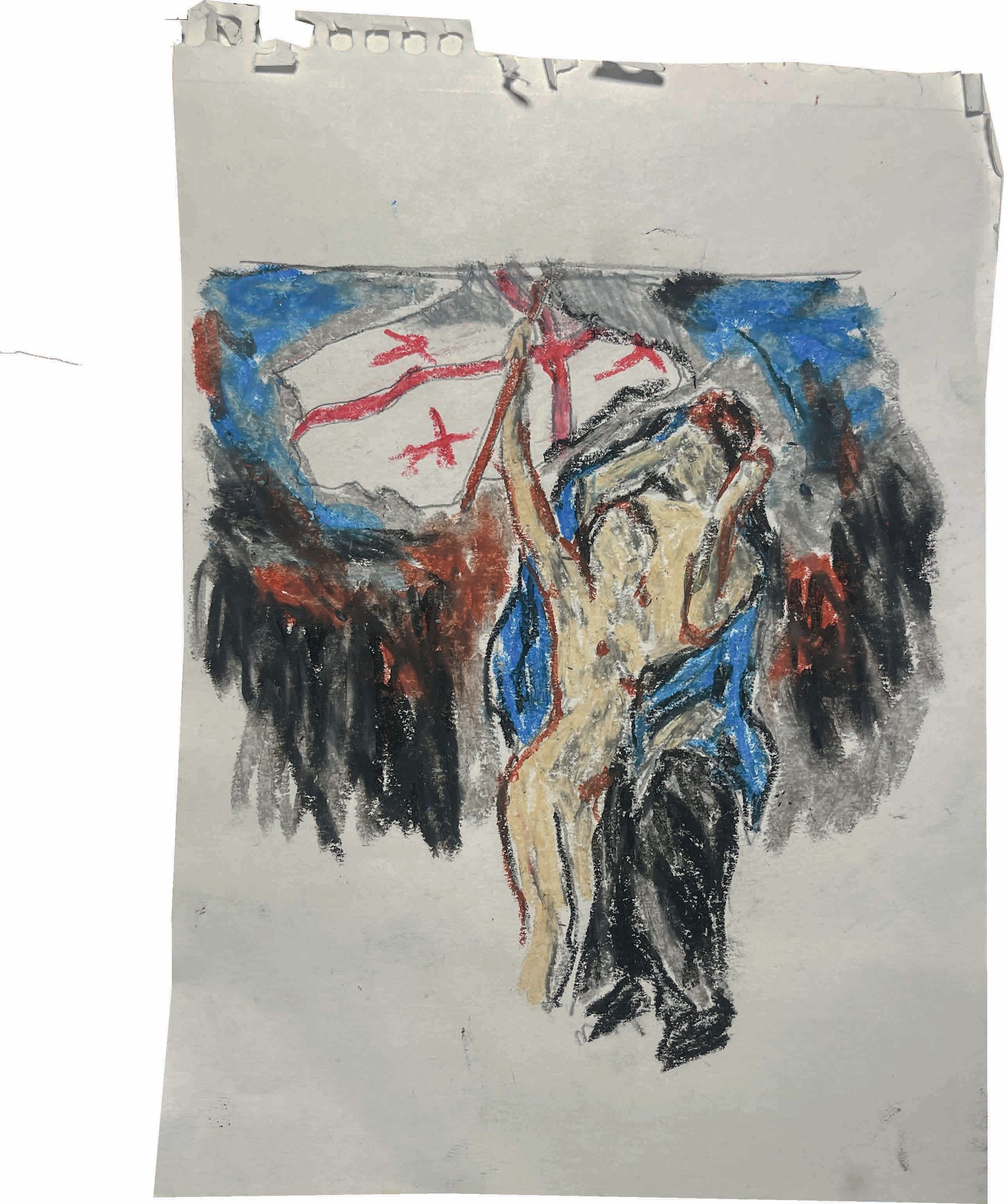
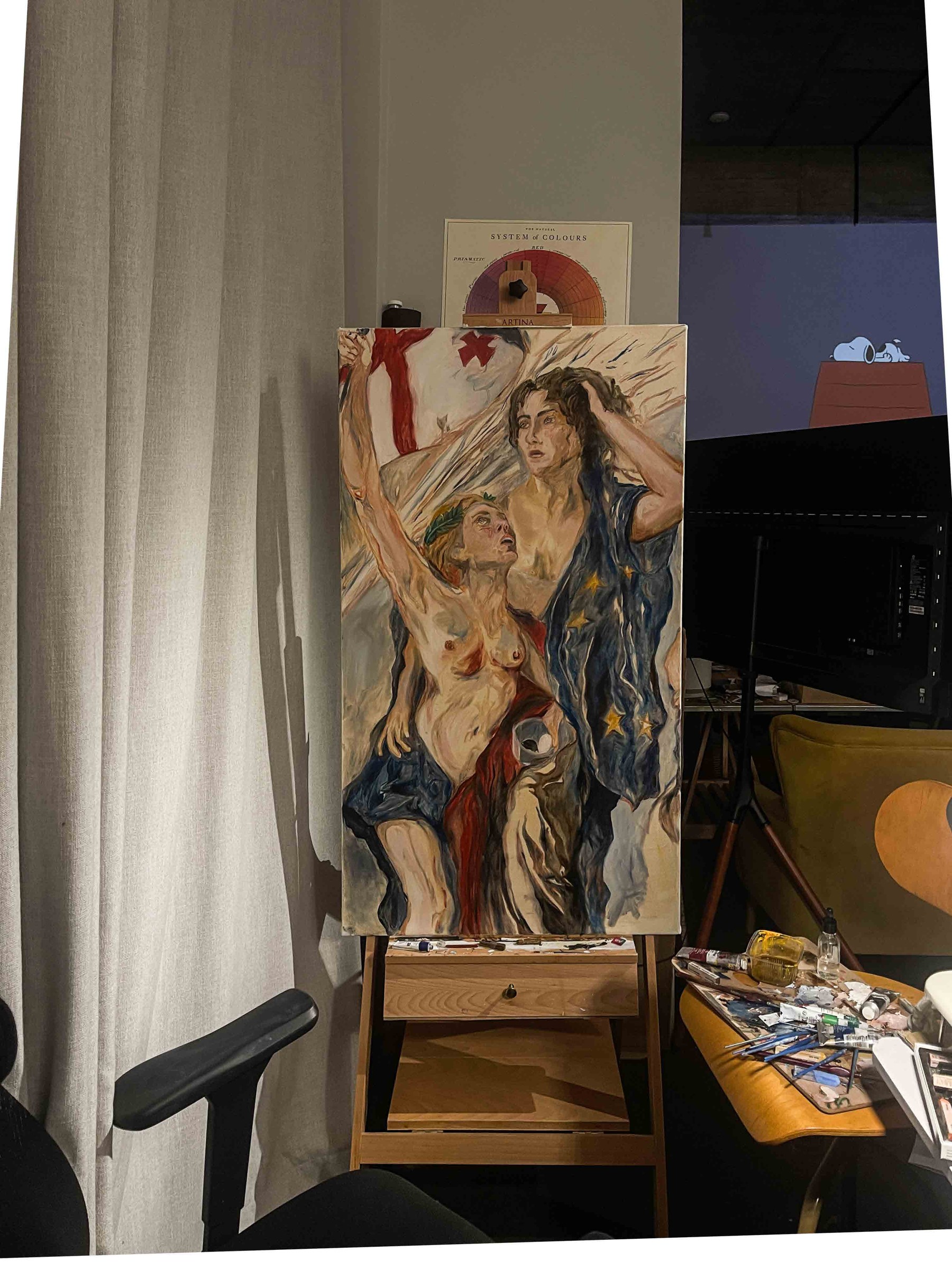
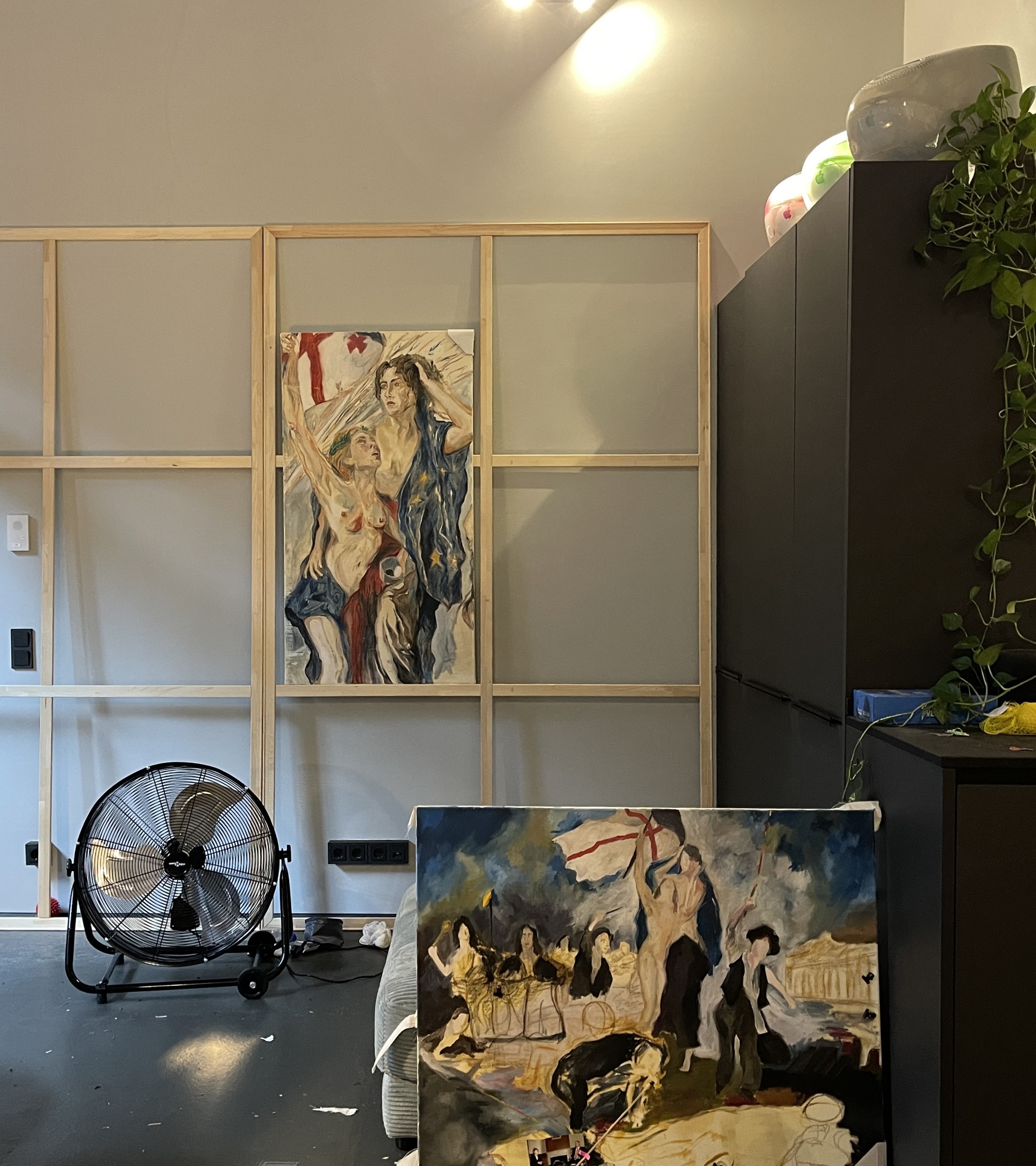
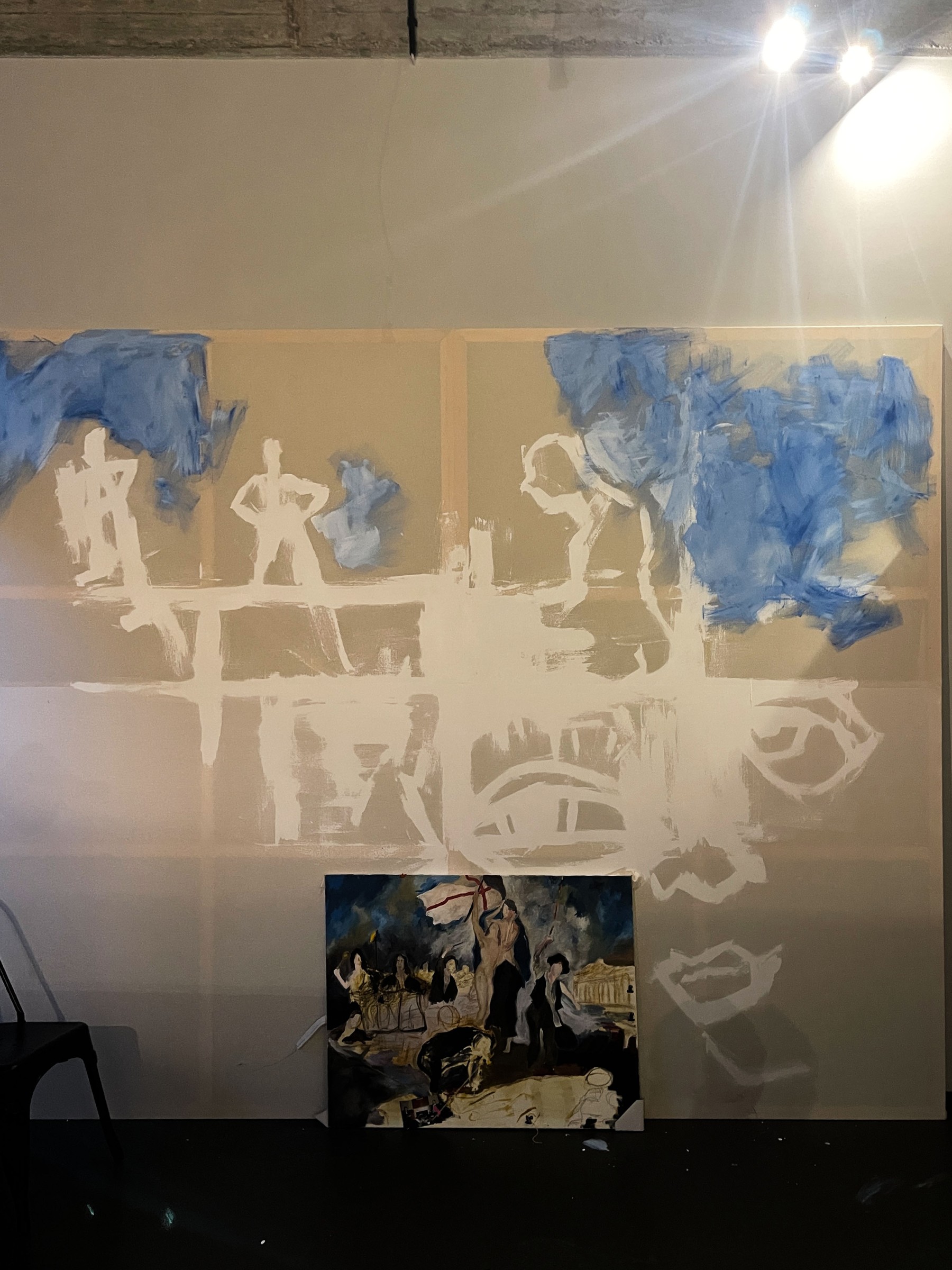
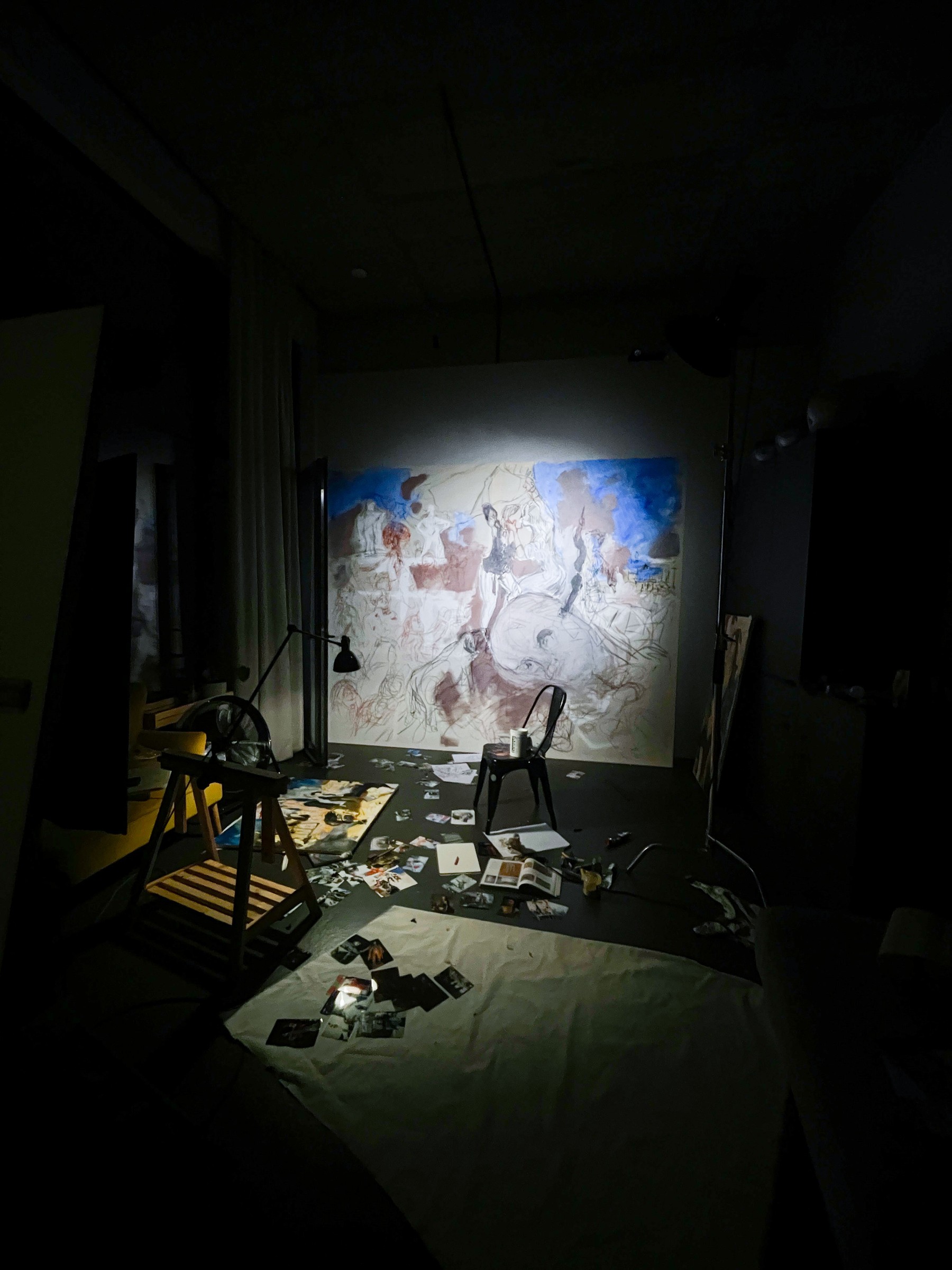
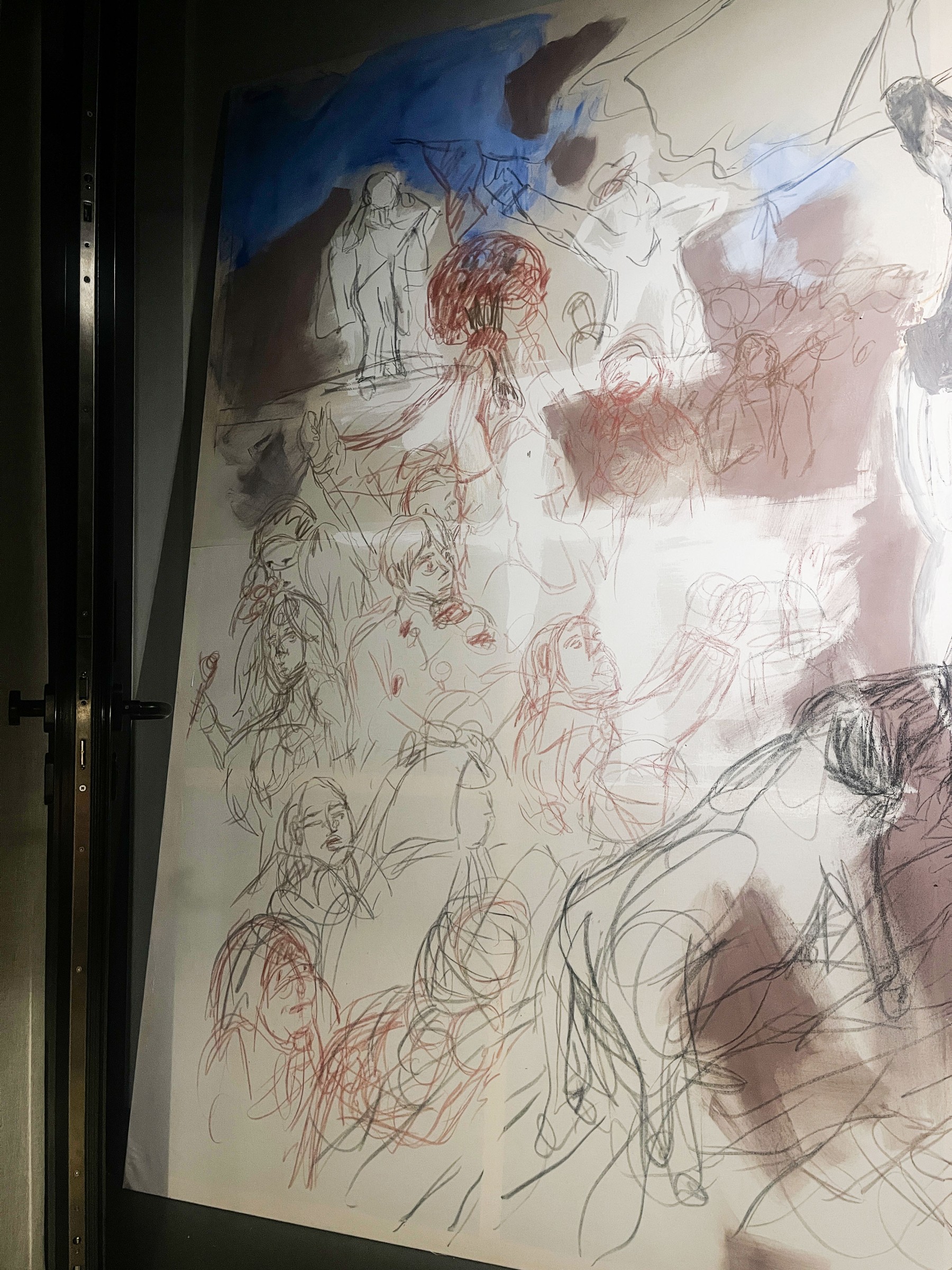
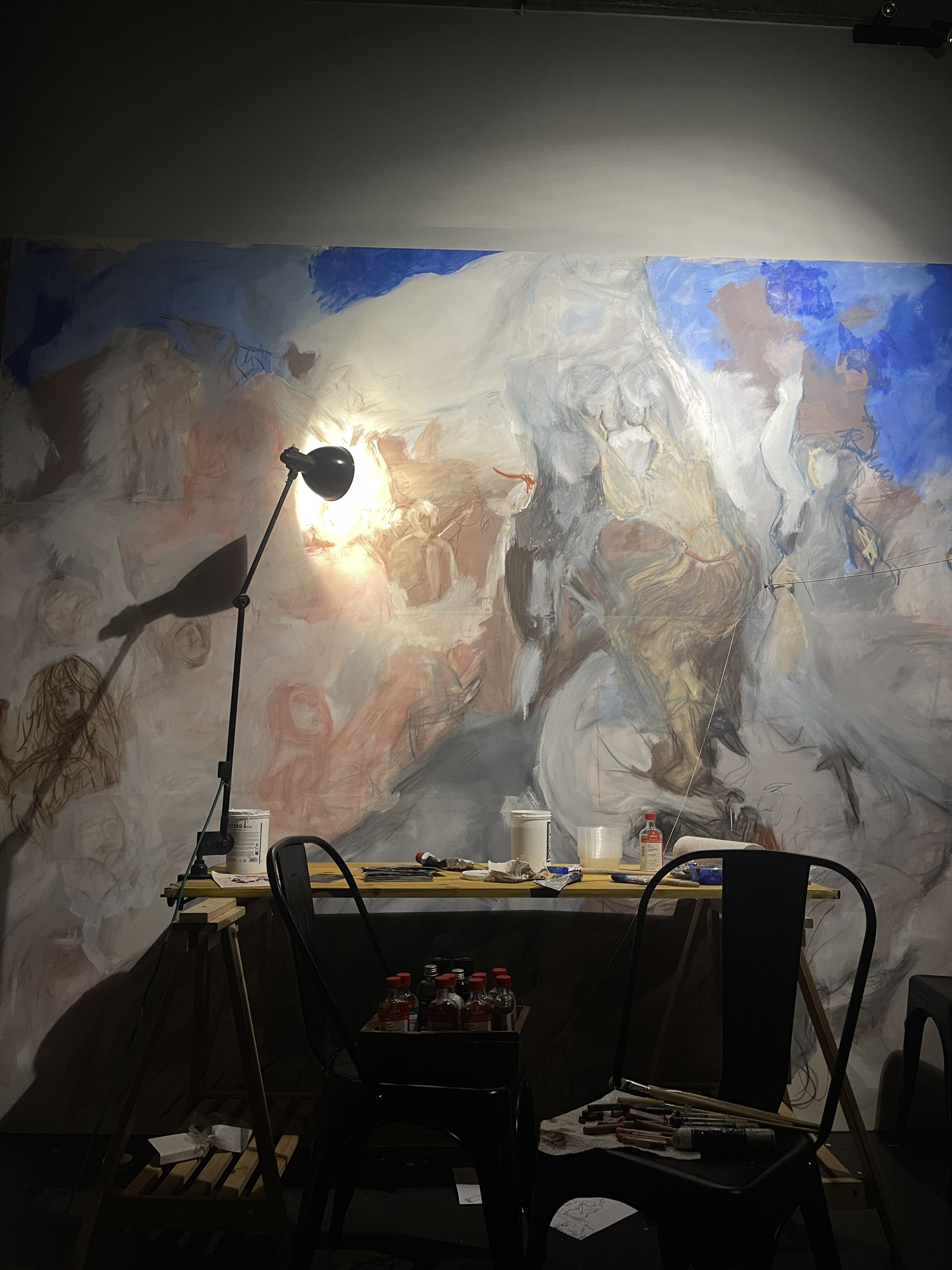
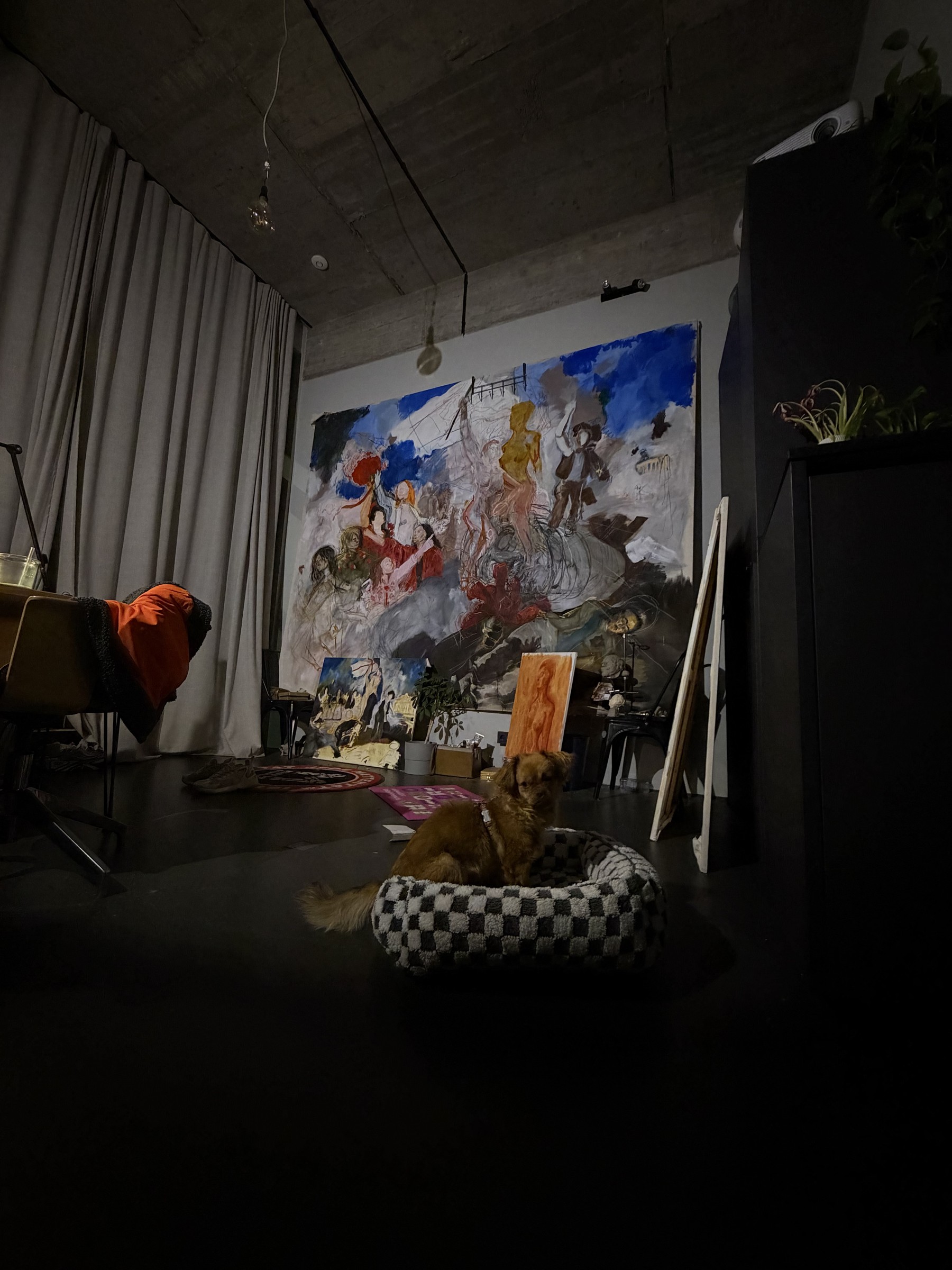
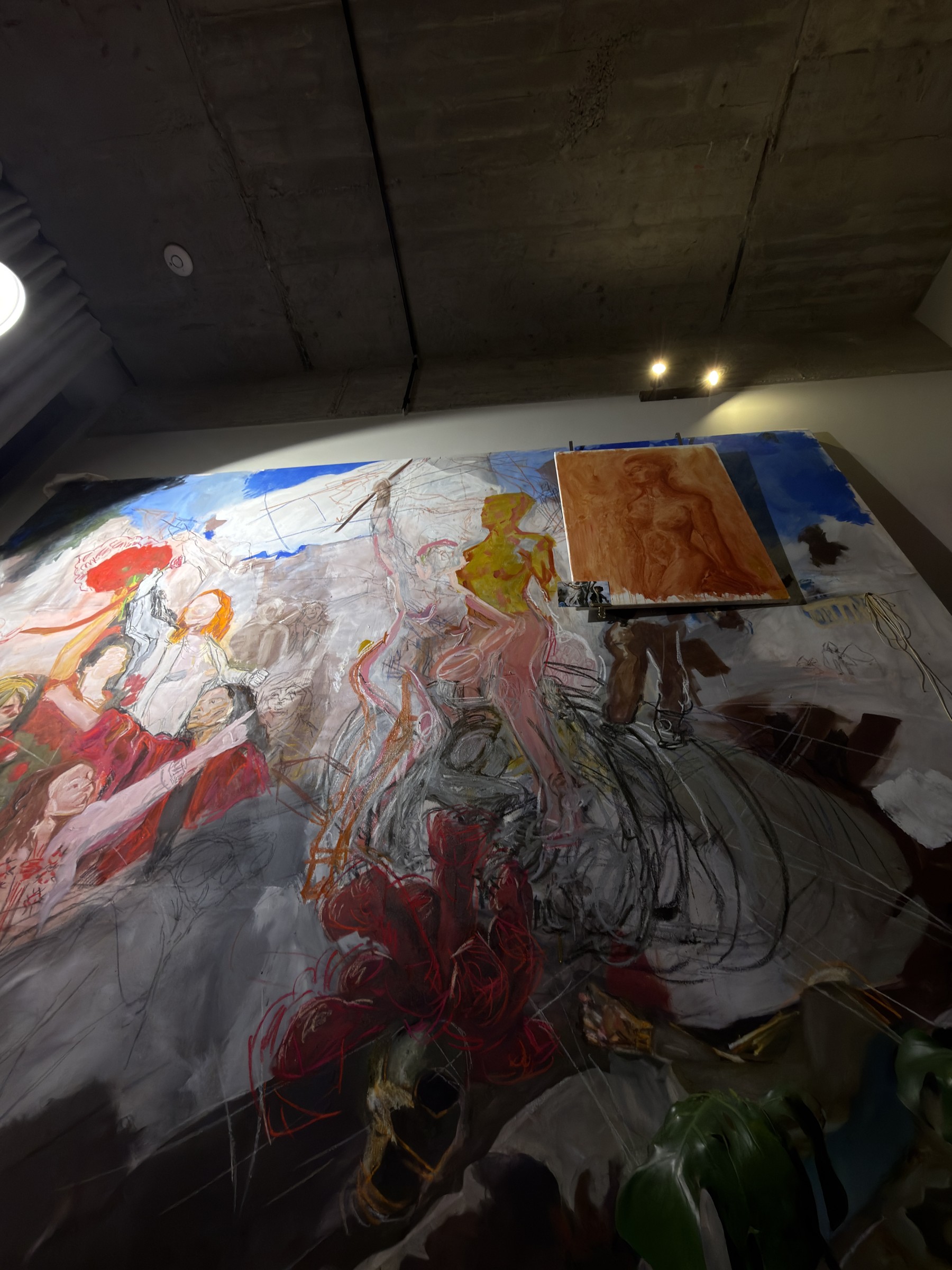
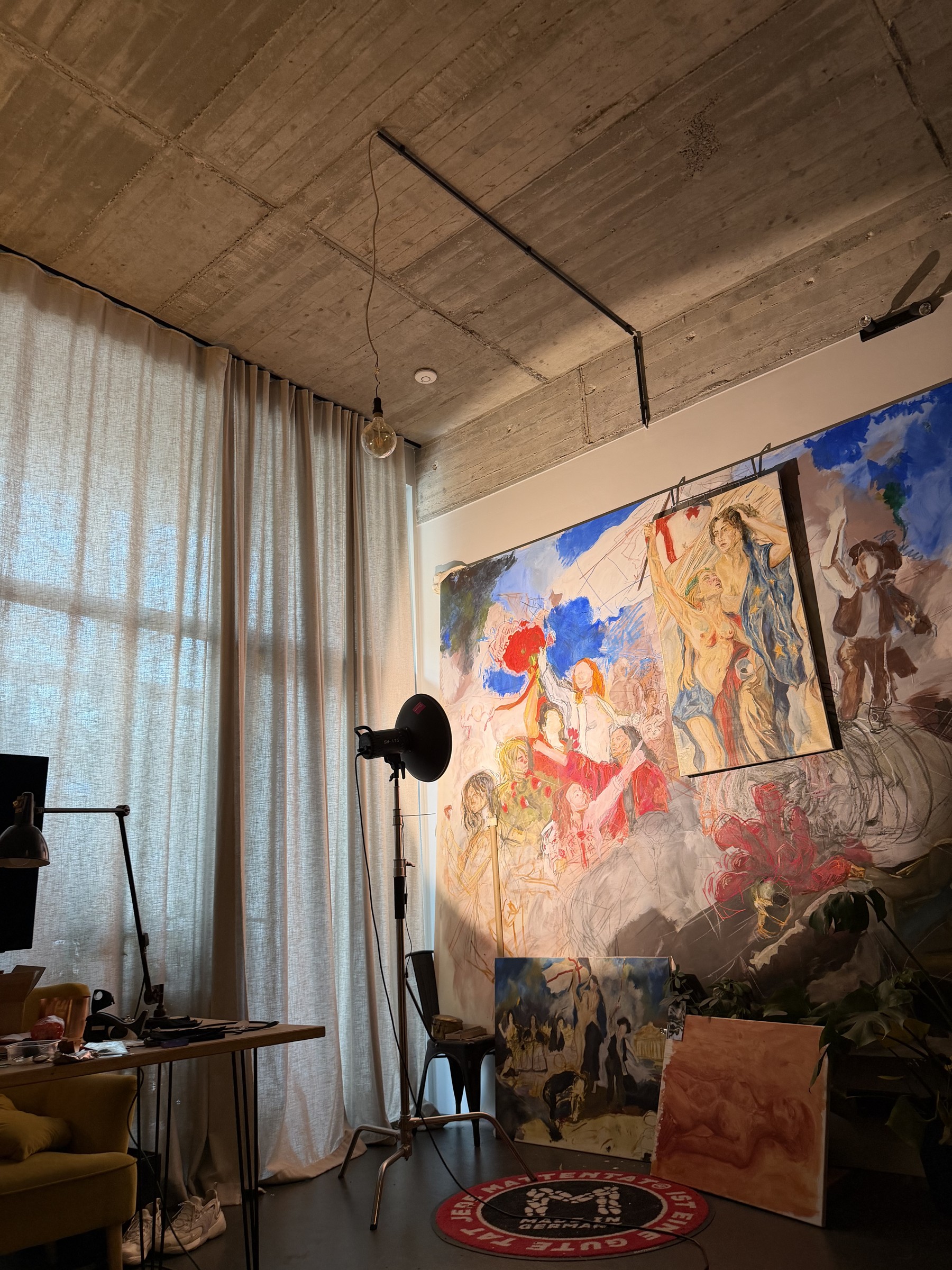
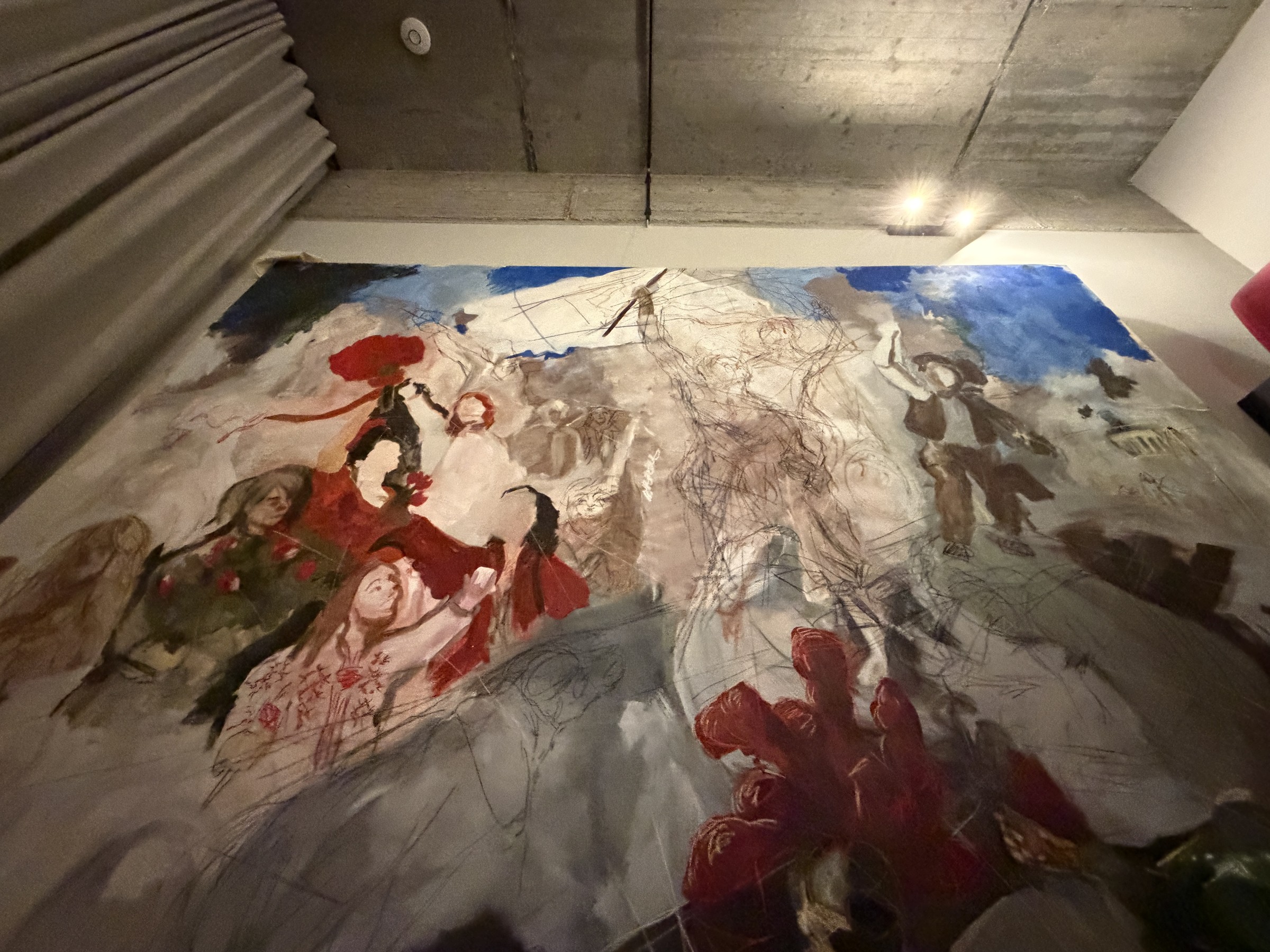
On my reinterpretation of Liberty Leading the People it hit me hardest. I stood in front of the wall, 260 by 325 centimetres, and felt the urge to make the heads wider, longer, to distort them. I wanted to find out why.
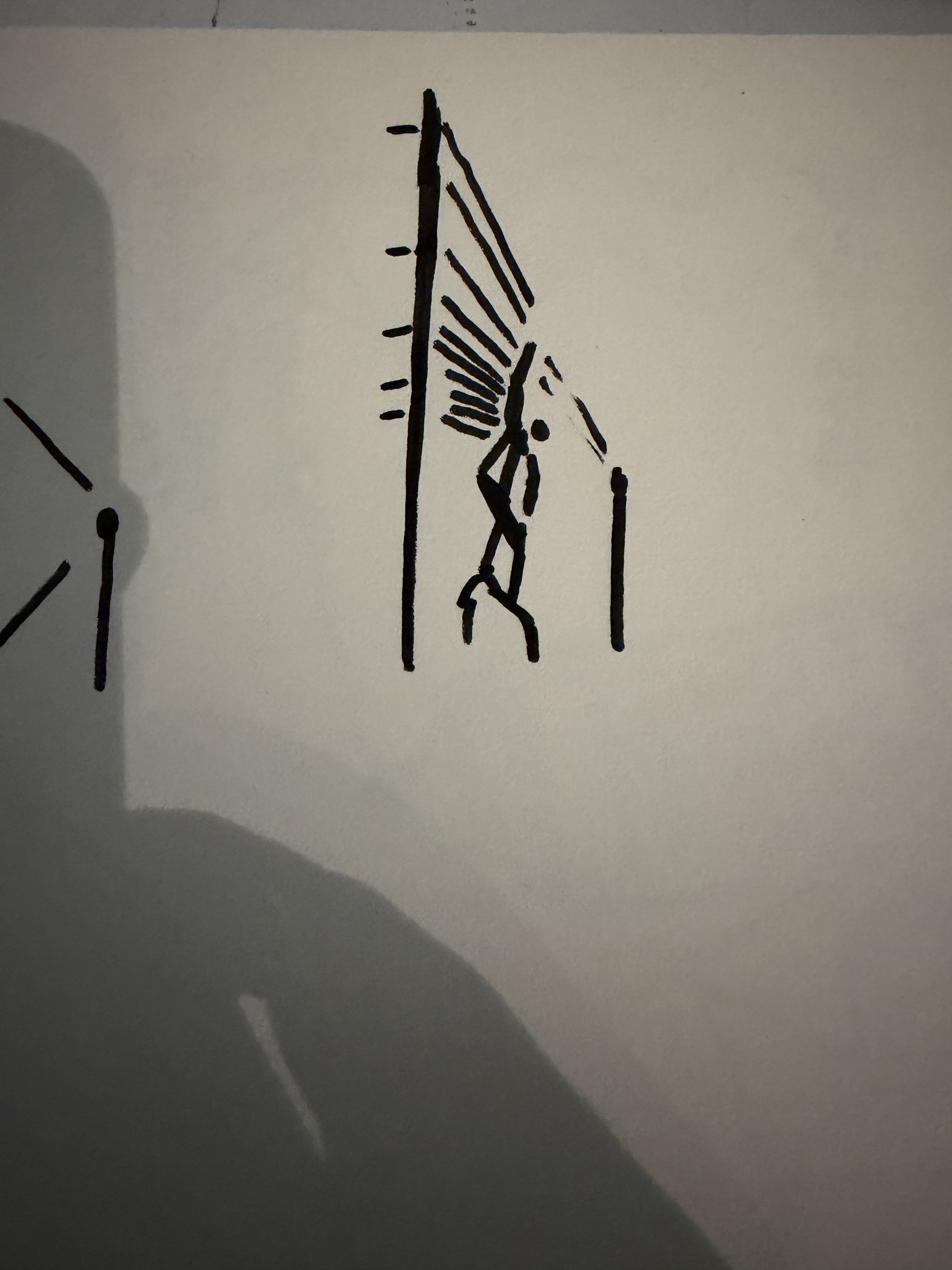
The reason is simple once you see it. A viewer in front of a wall that size looks at its edges from a completely different angle than at its centre. The figures at the edges land differently on the retina. Paint them anatomically correct and they look wrong from where people actually stand. So you pre-distort them. Art history has names for the neighbouring tricks, anamorphosis, di sotto in sù, quadratura, but not for this one. Painters did it anyway.
David did it
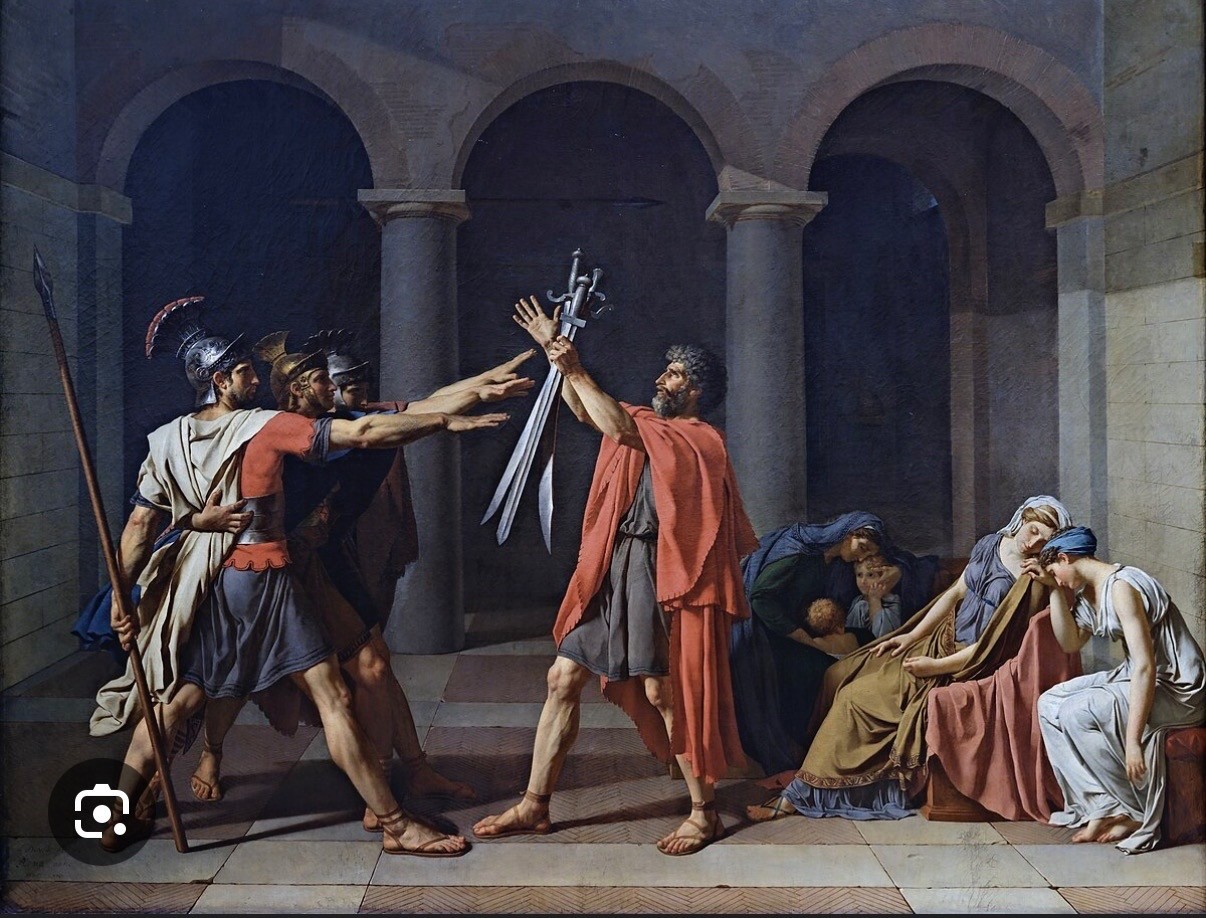
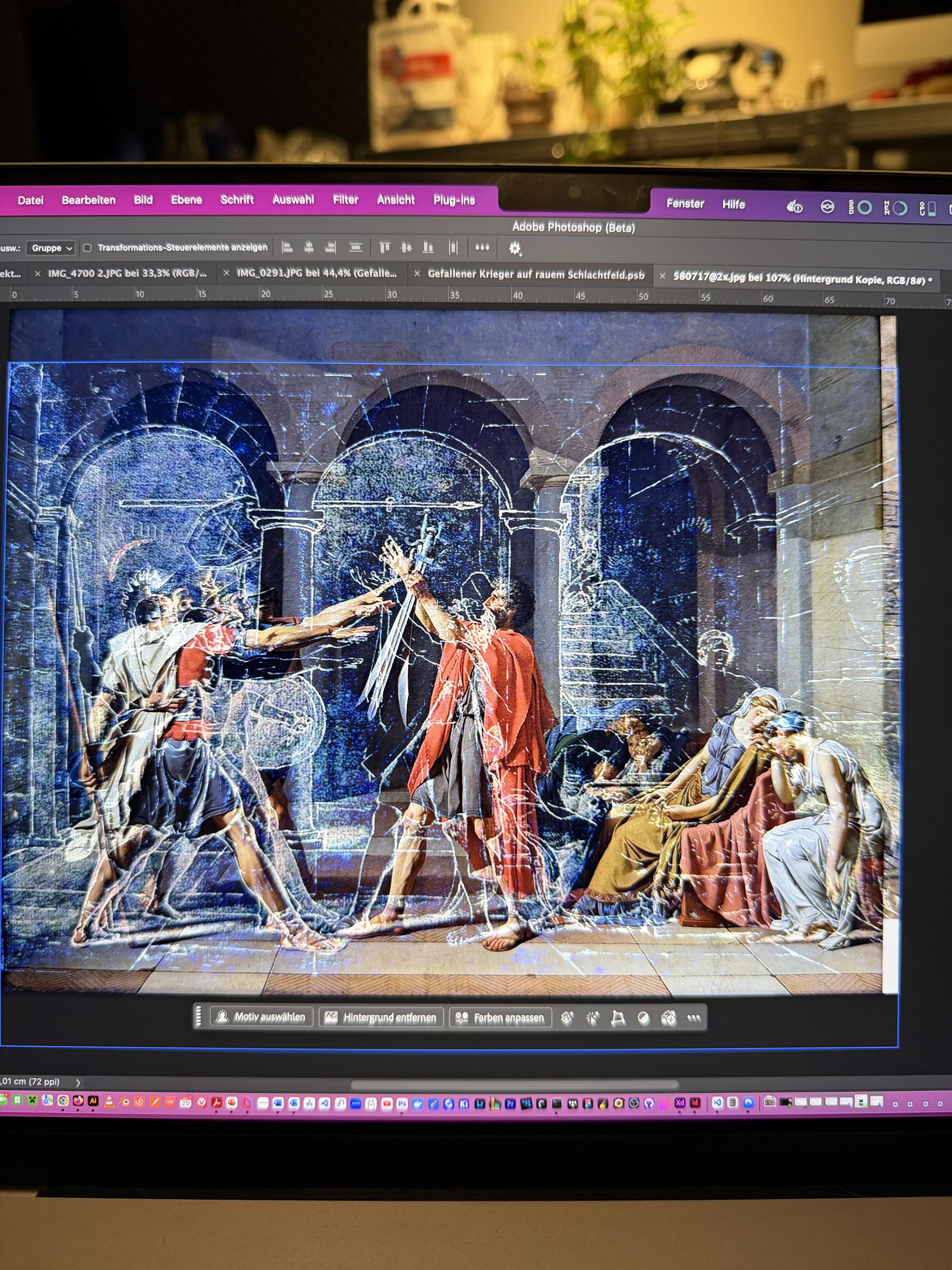
Put Jacques-Louis David's Oath of the Horatii next to his study for it. In the study the stairs are in the foreground, the woman sits further back, the warrior holds his spear behind him. Lay the two on top of each other: he started bottom left, got wider and wider, dropped the stairs, and stretched the whole picture vertically. It makes sense. Painted one to one, the distortion of the large room would have looked odd as you walk in. The stairs would feel wrong, the warriors somehow thin. He corrected the room, not the anatomy.
Then the idea
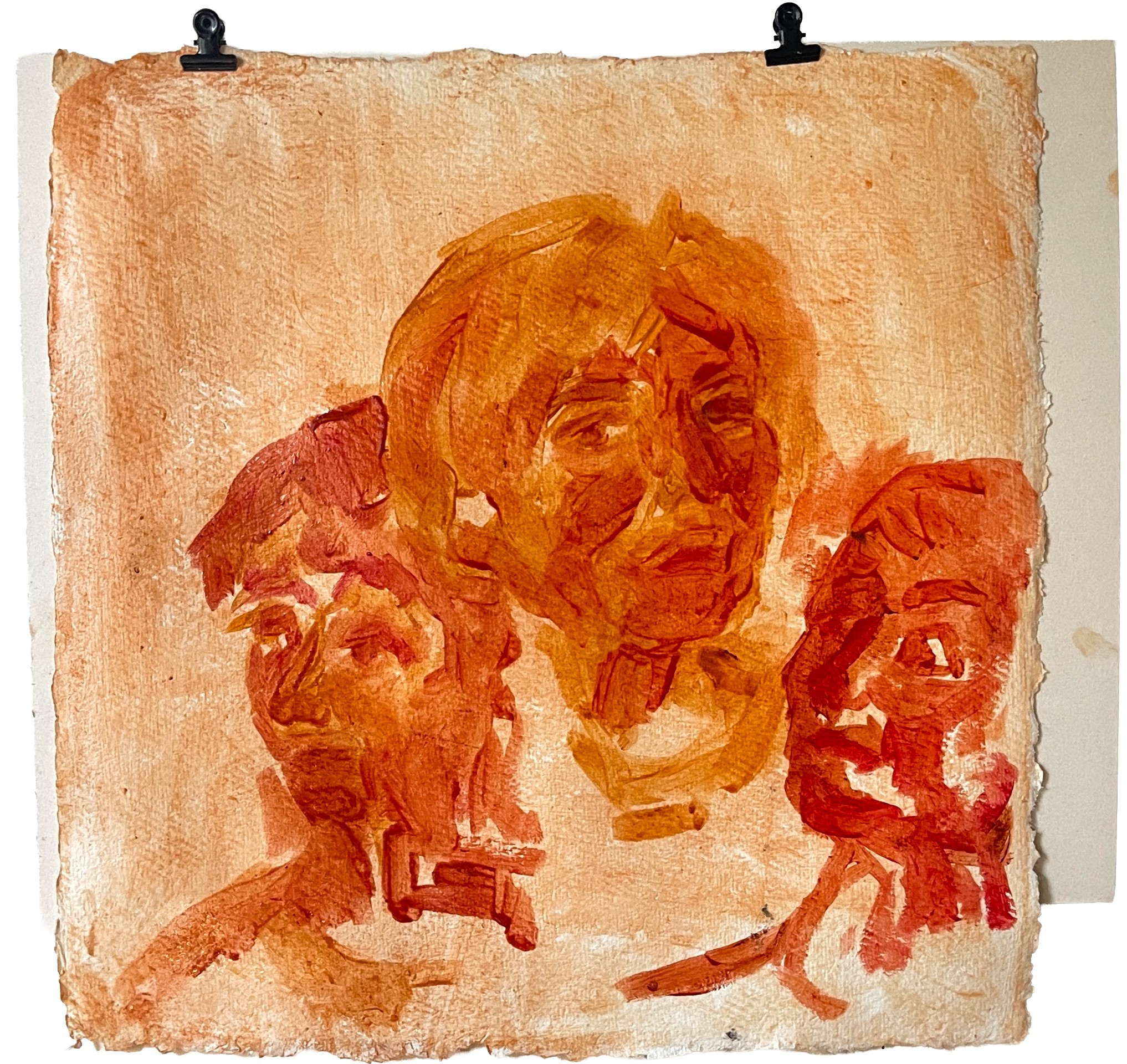
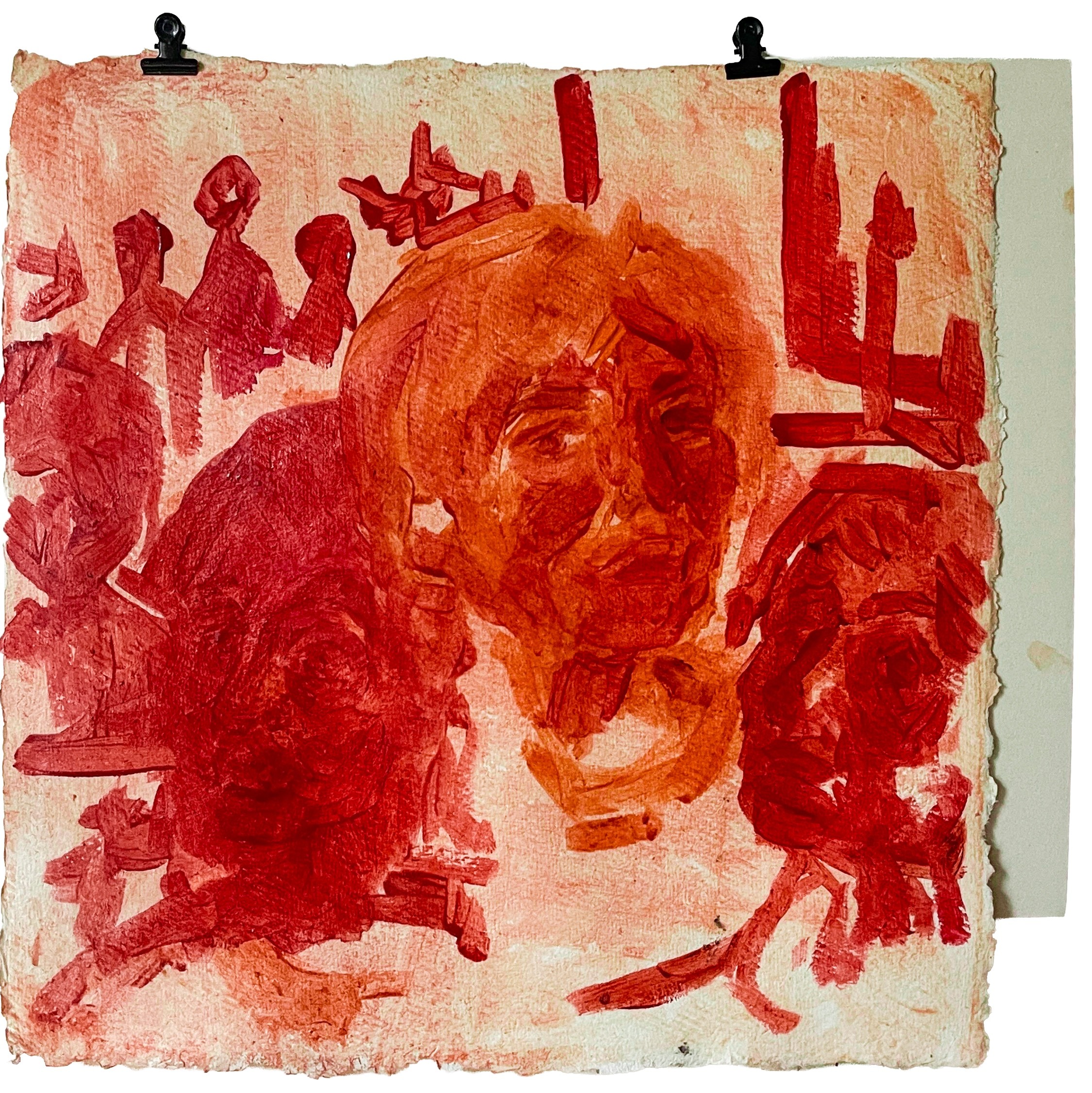
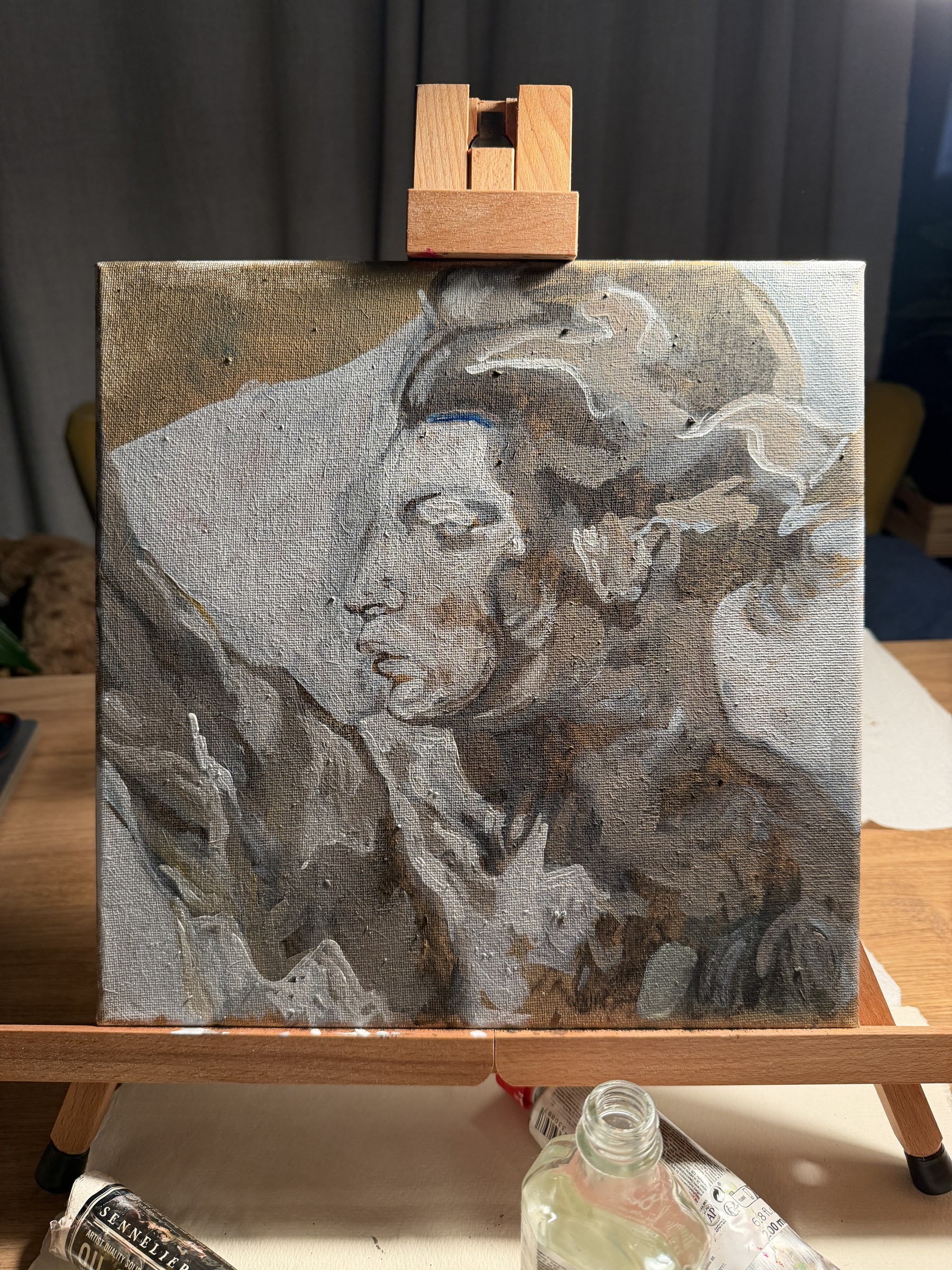
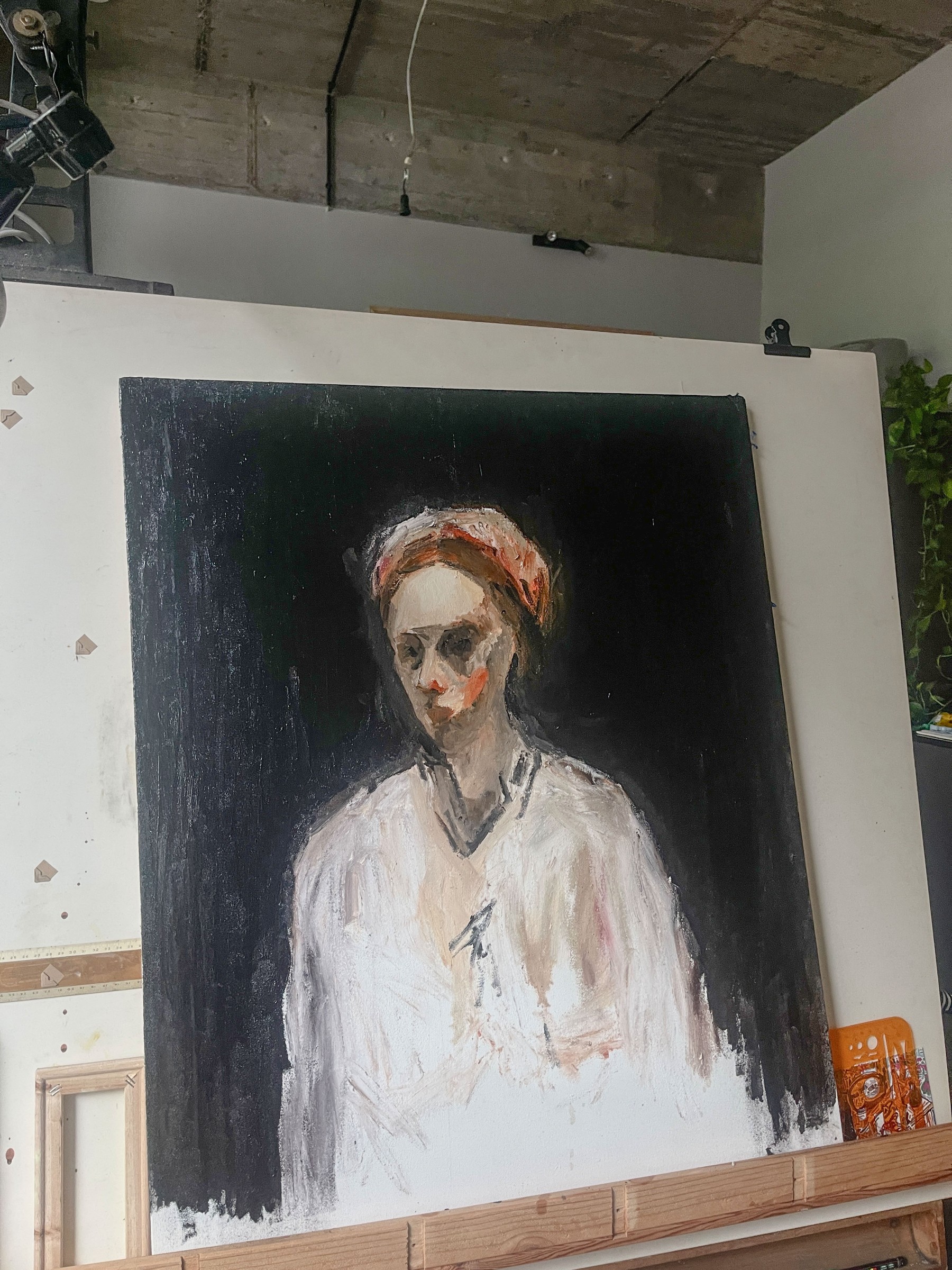
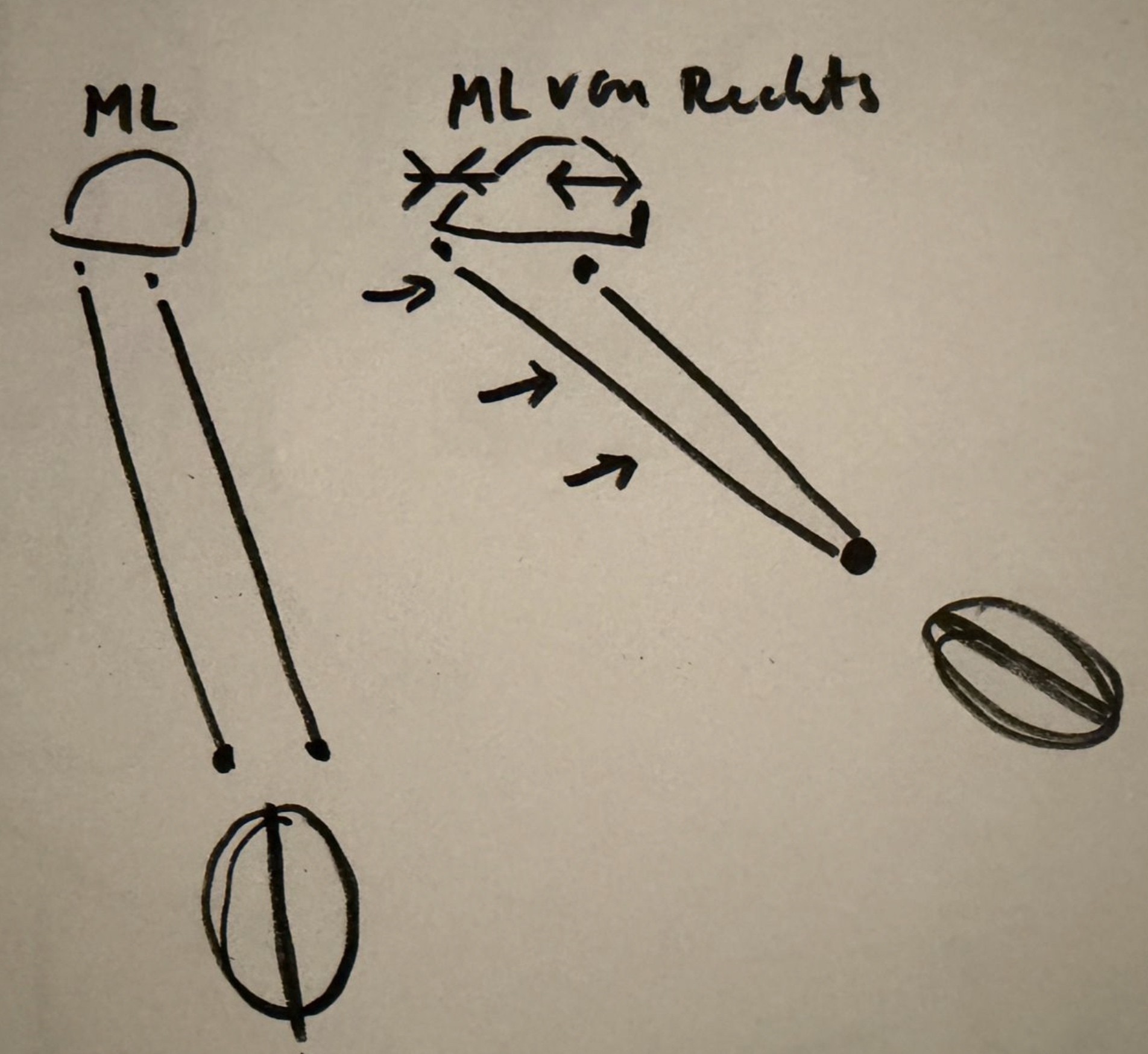
Once you think like this, the next idea comes by itself: paint a 3D picture. Paint a face frontally, then paint the same face again, distorted, as seen from the side, and lay the two into one. I tried it. And while I was doing it, I had to think of the Mona Lisa.
The code
Leonardo constructed this painting. The person in the X-ray images, the one with the narrow head, is the actual Mona Lisa. The other one appears through the perspective distortion from right and left. All you have to manage is that whatever is too much from each perspective gets optically concealed. And that is exactly what Leonardo did with the hairband, the veil and the chin.

What reads as a veil in one moment reads as hair in its compressed form. What is a hairband in one moment is the edge of the hair in the next. What is a shifted jaw in one moment is a sly glance in the other.
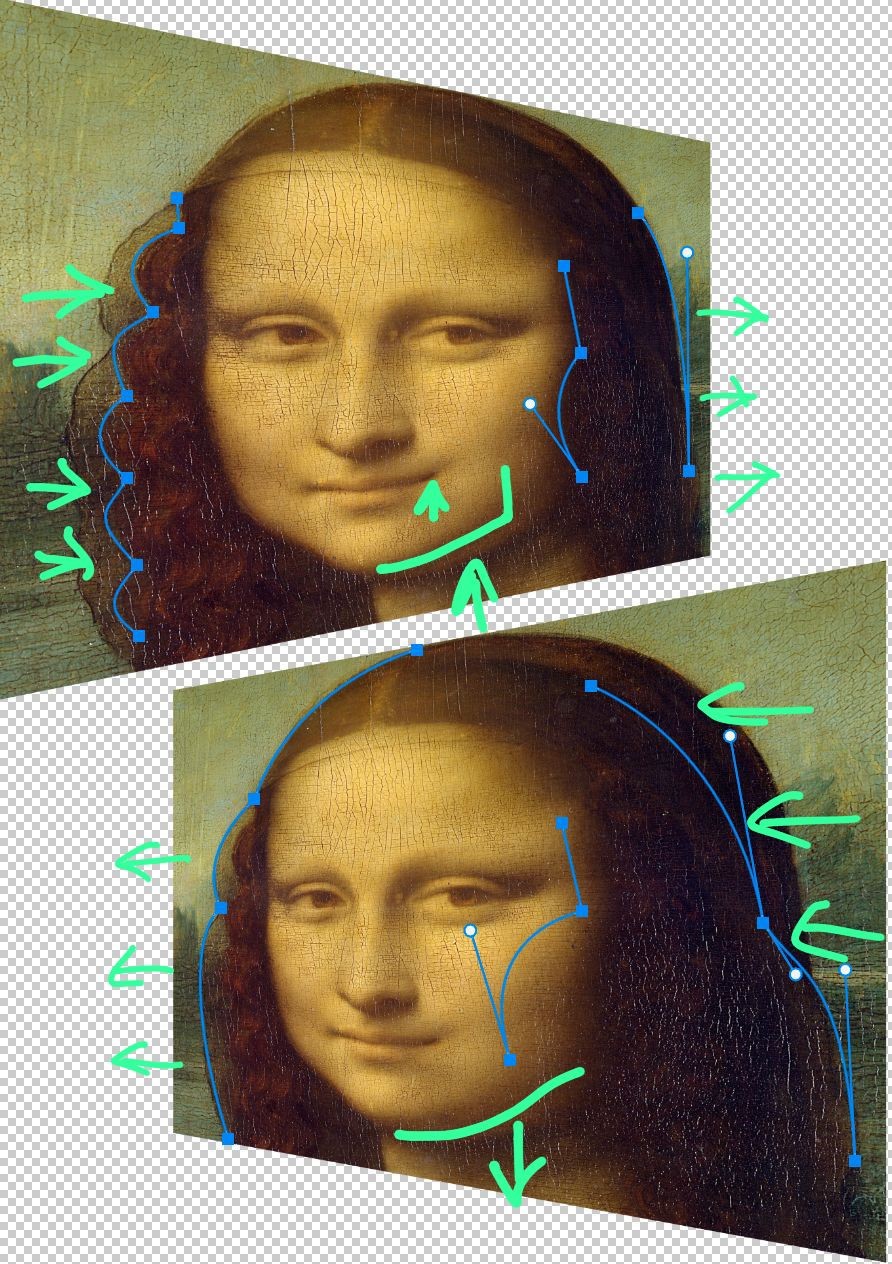
He constructed her. He wanted to paint a 3D picture. I do not believe he cared that she looks at you wherever you stand. That was a side effect. Because the eyes are not the main reason why we think she looks at us. It is her whole head, her whole body. He was after a stereoscopic picture. He did not get there, but what he got instead has held the world's attention for five hundred years.
Proof without shadows
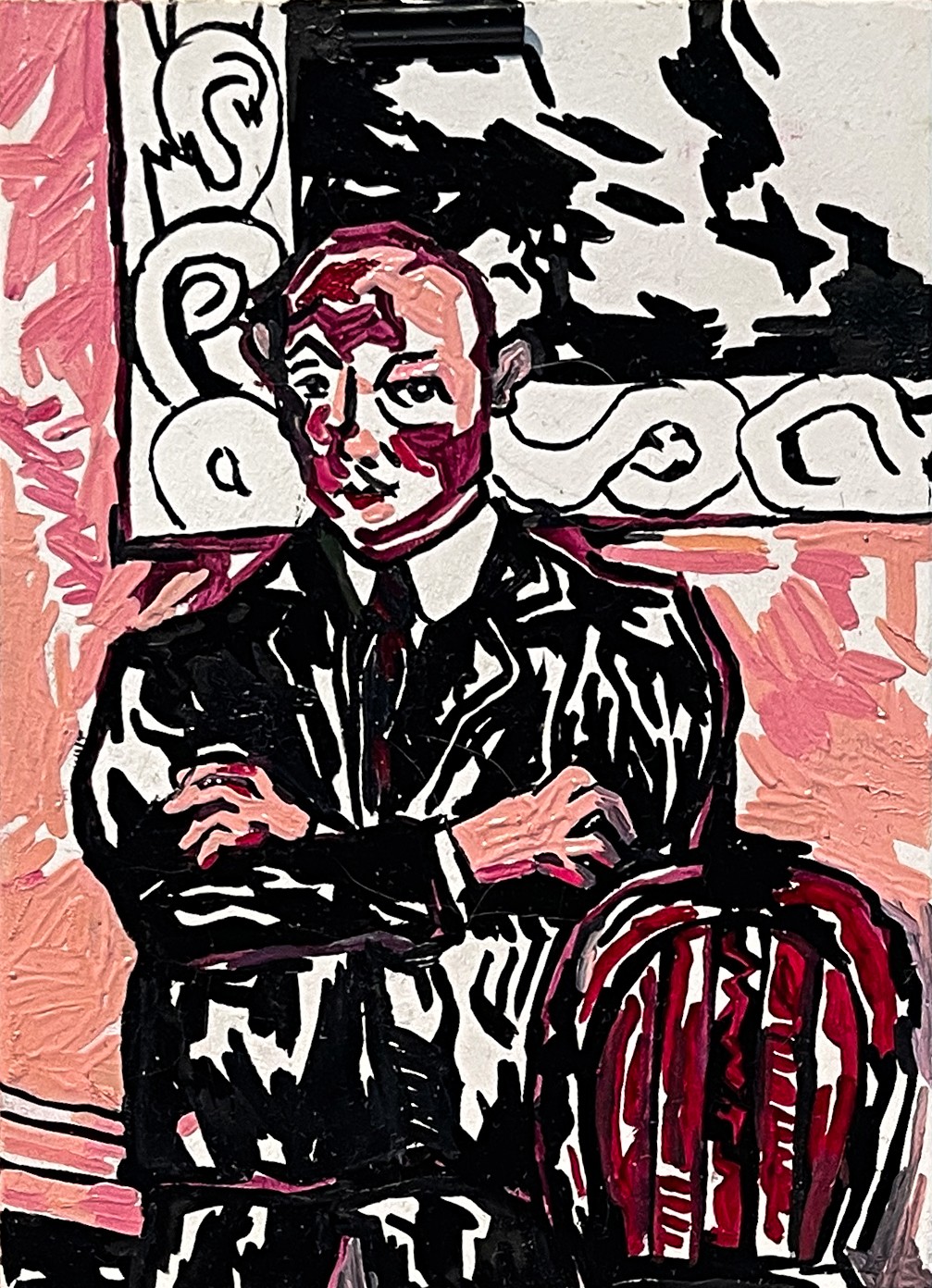
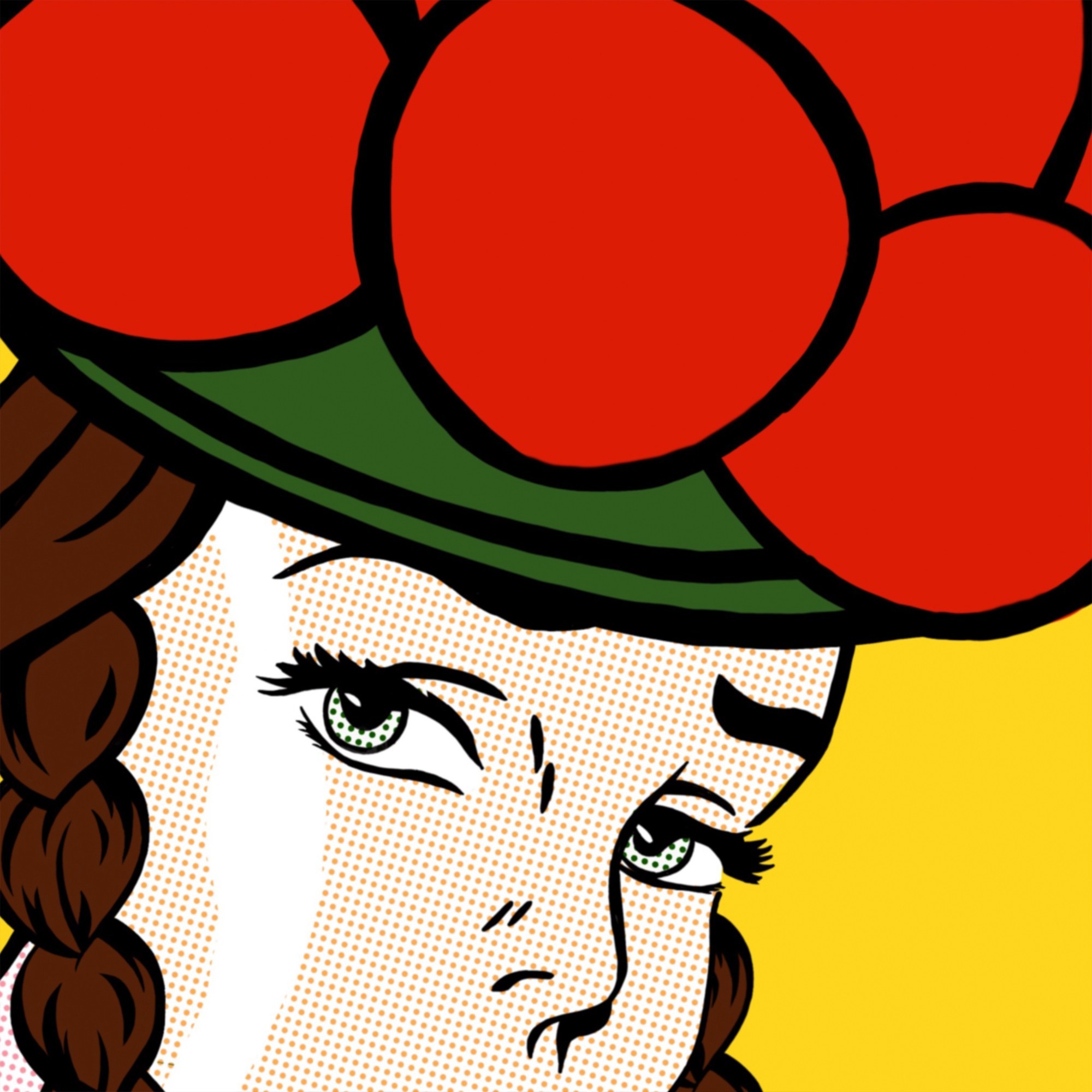
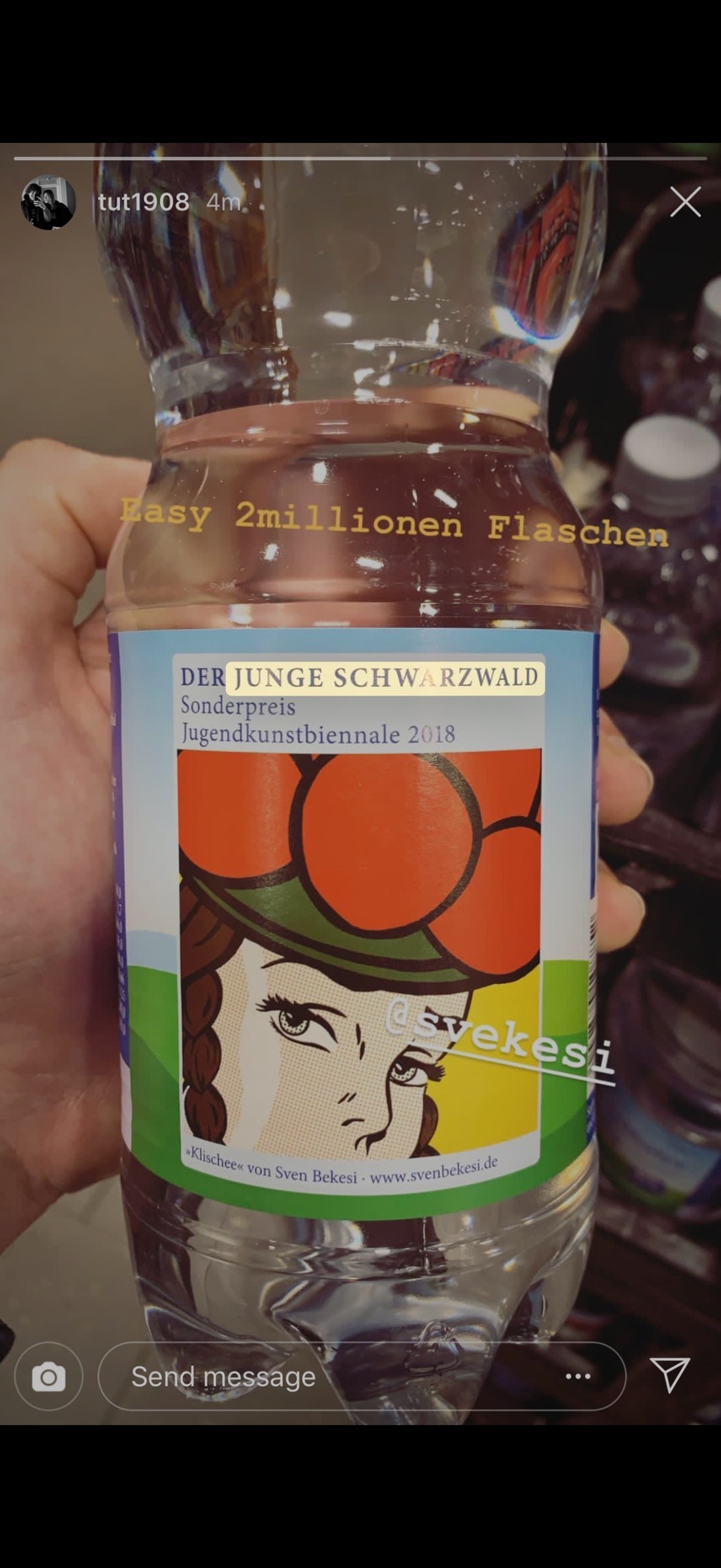
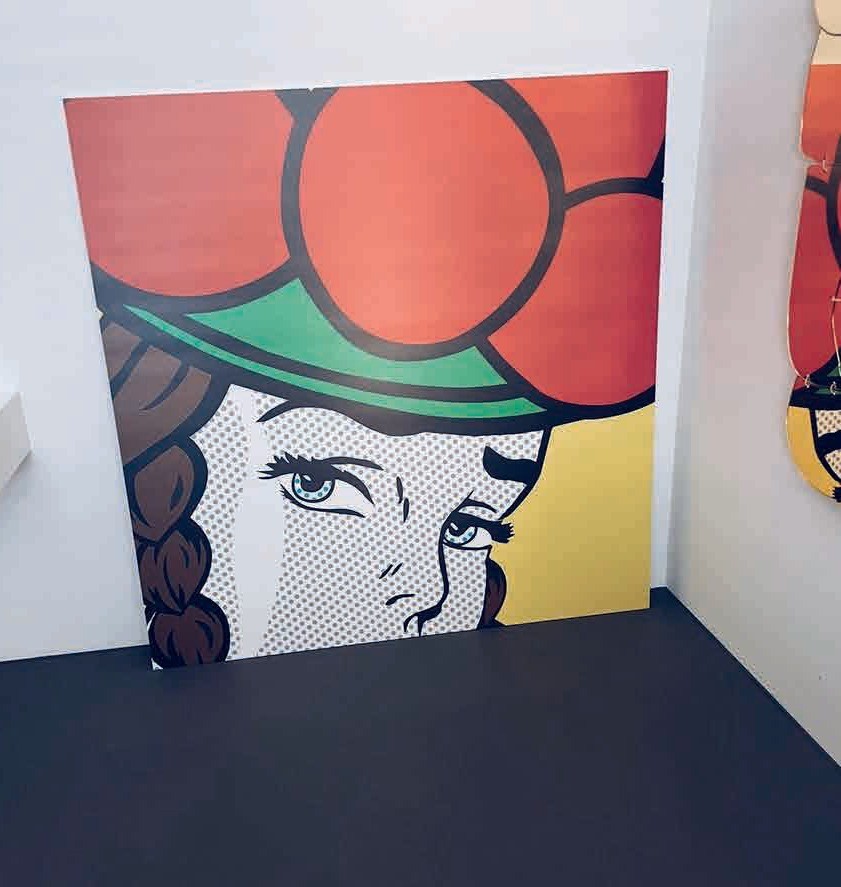
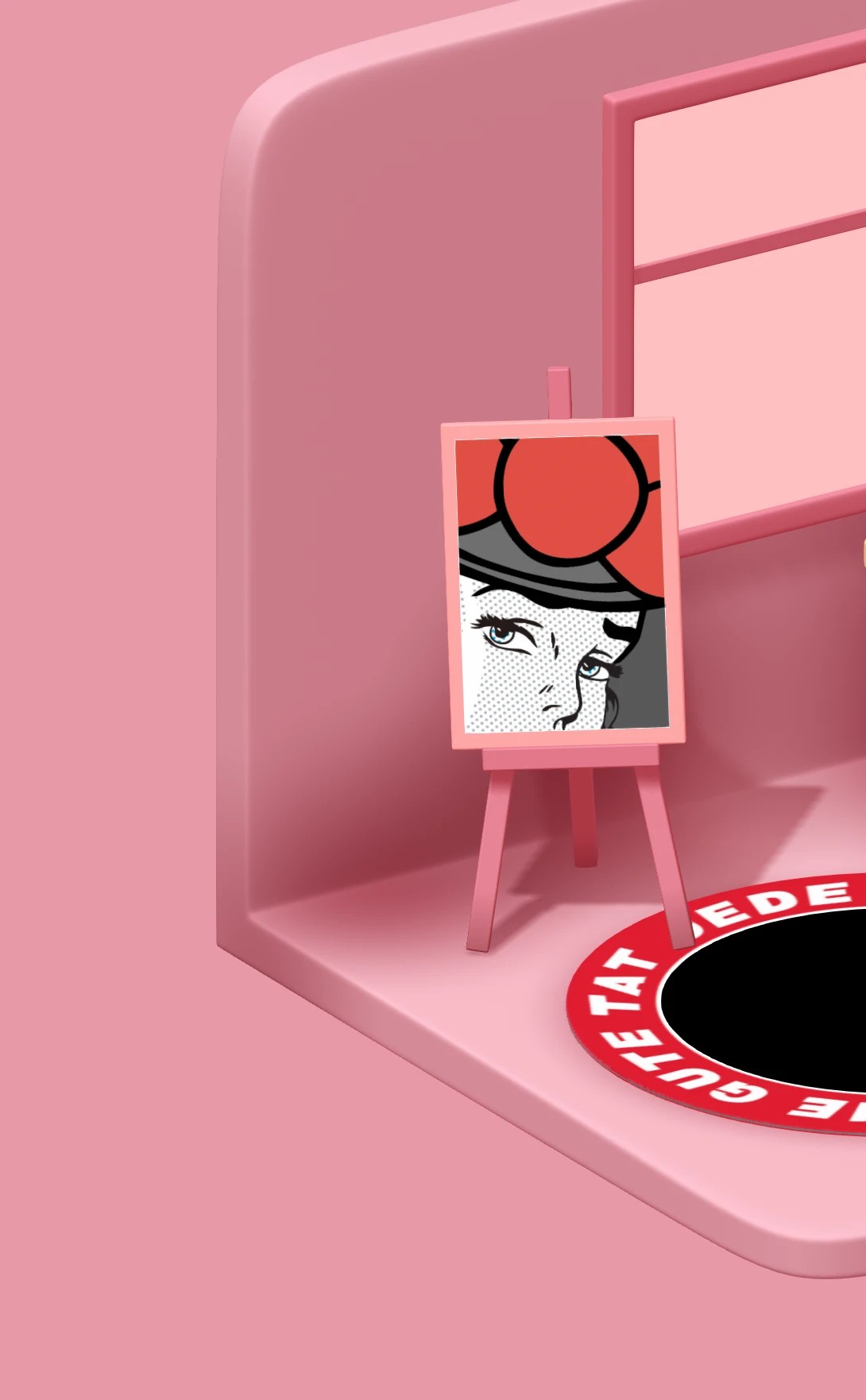
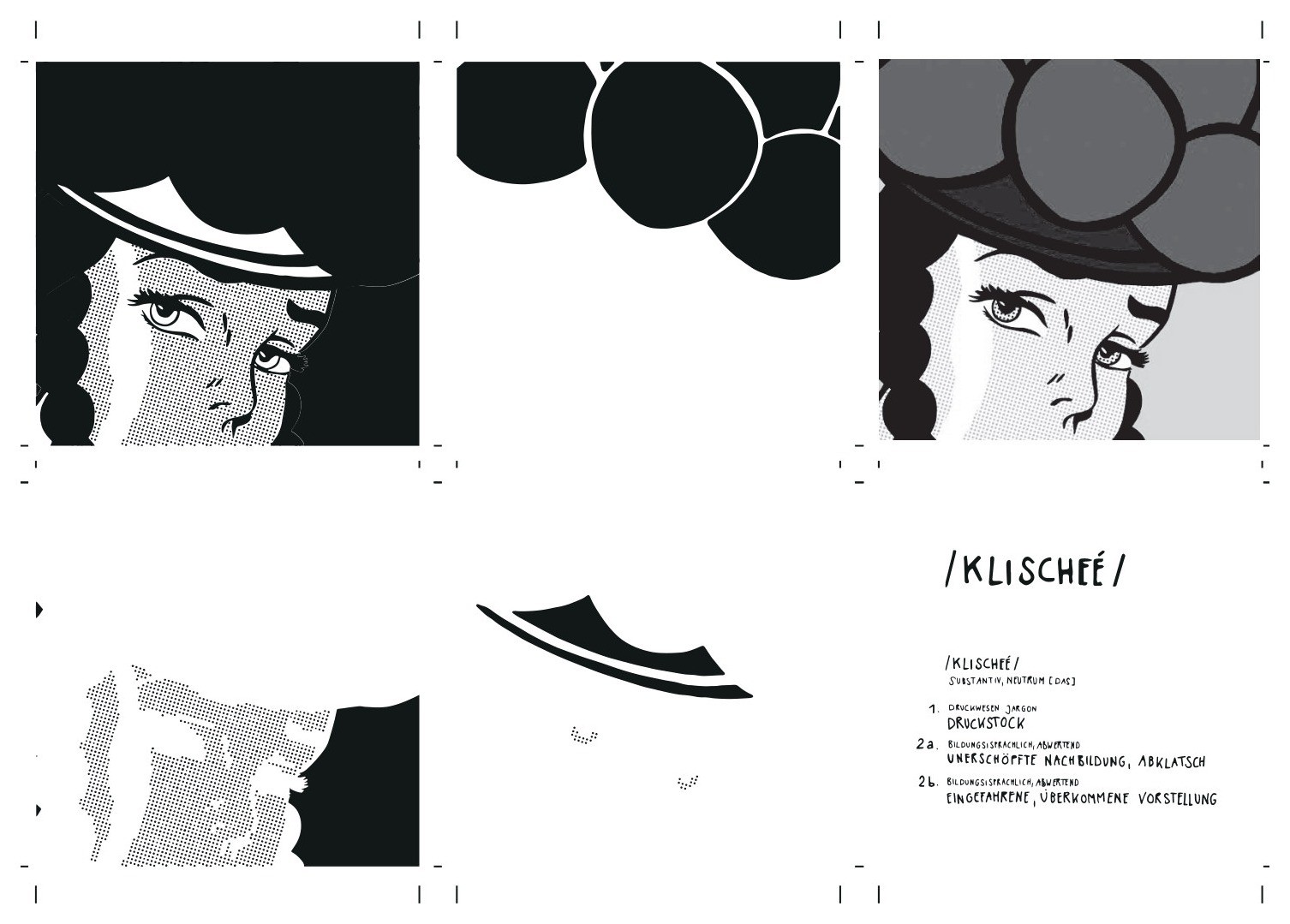
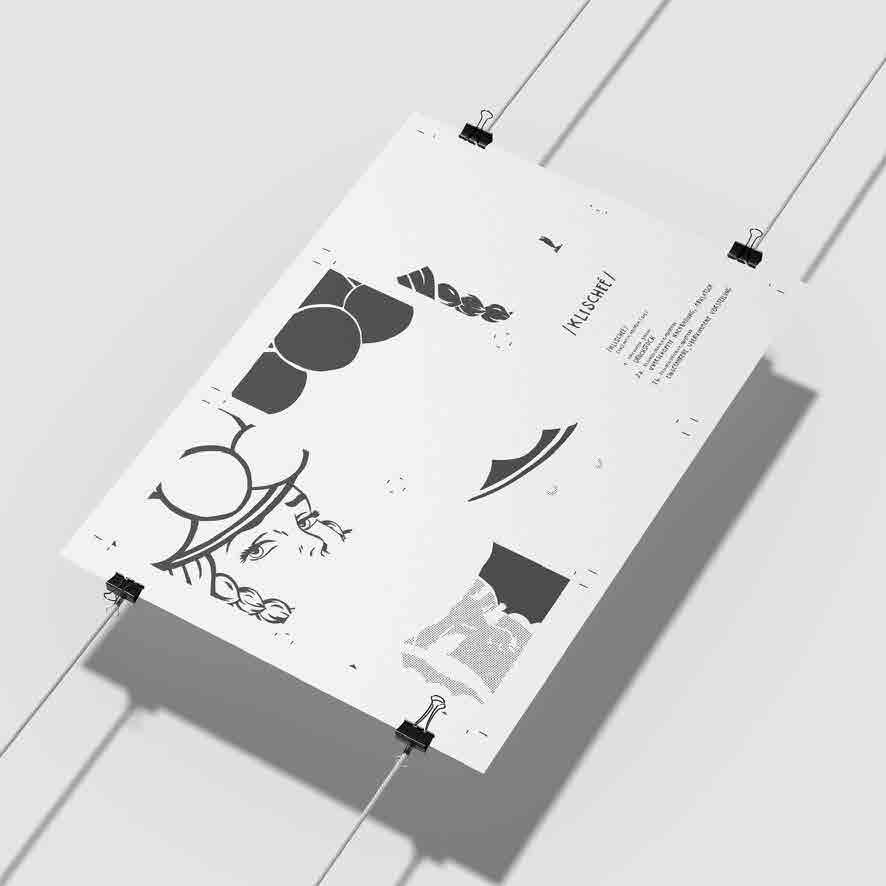
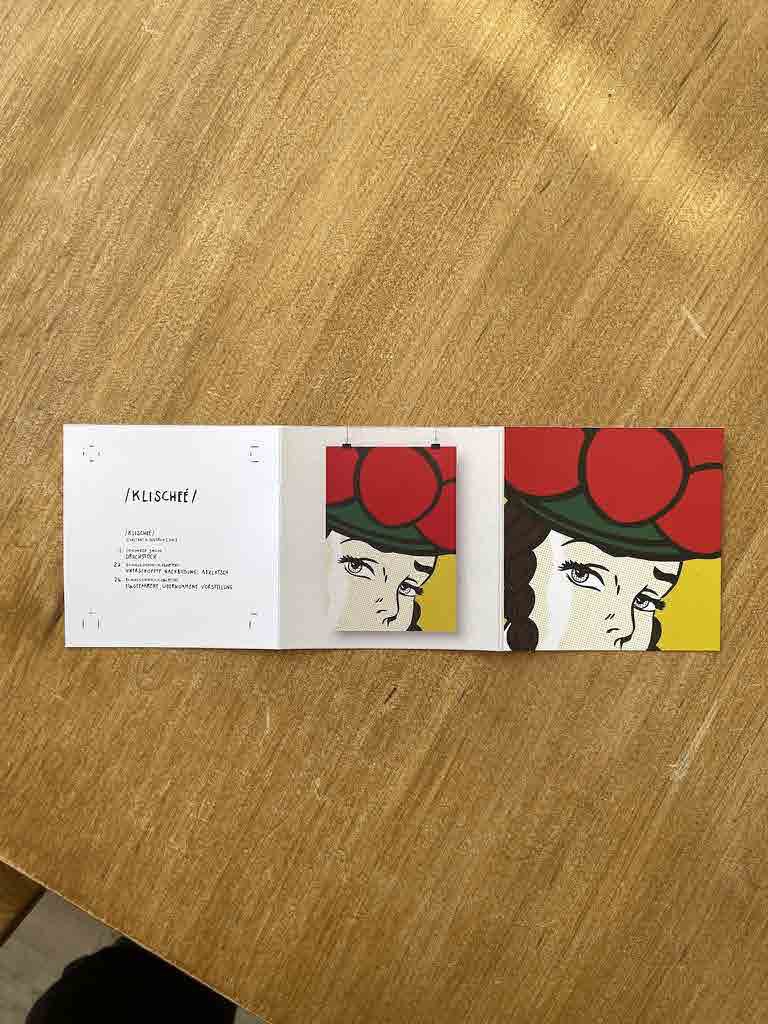
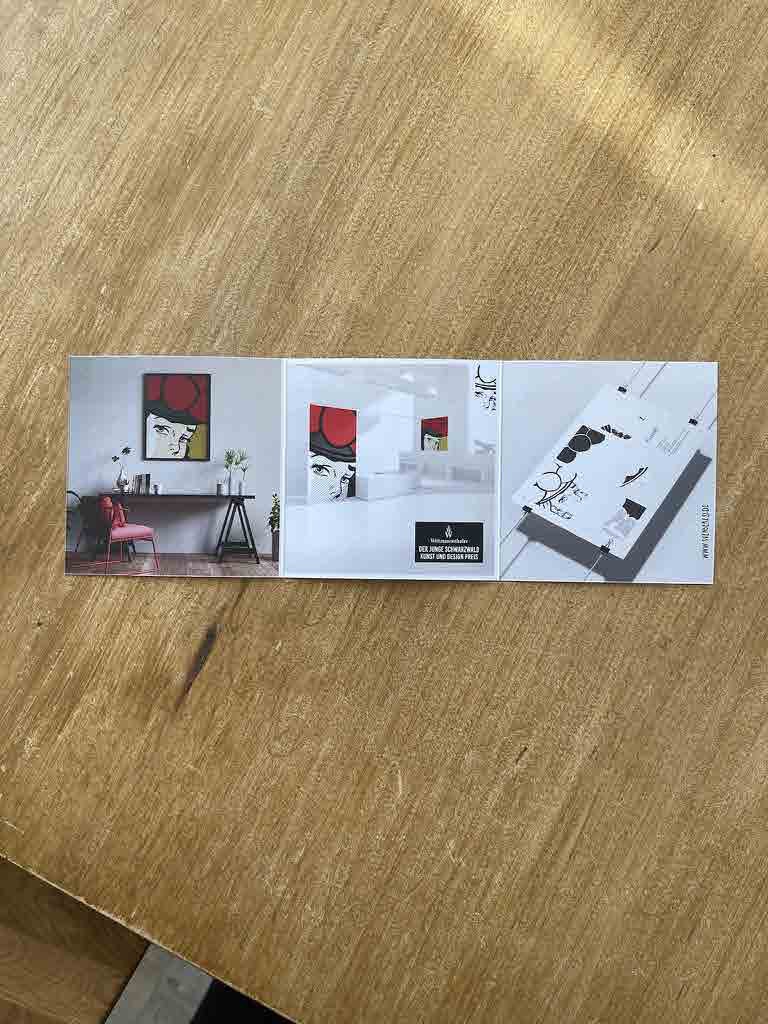
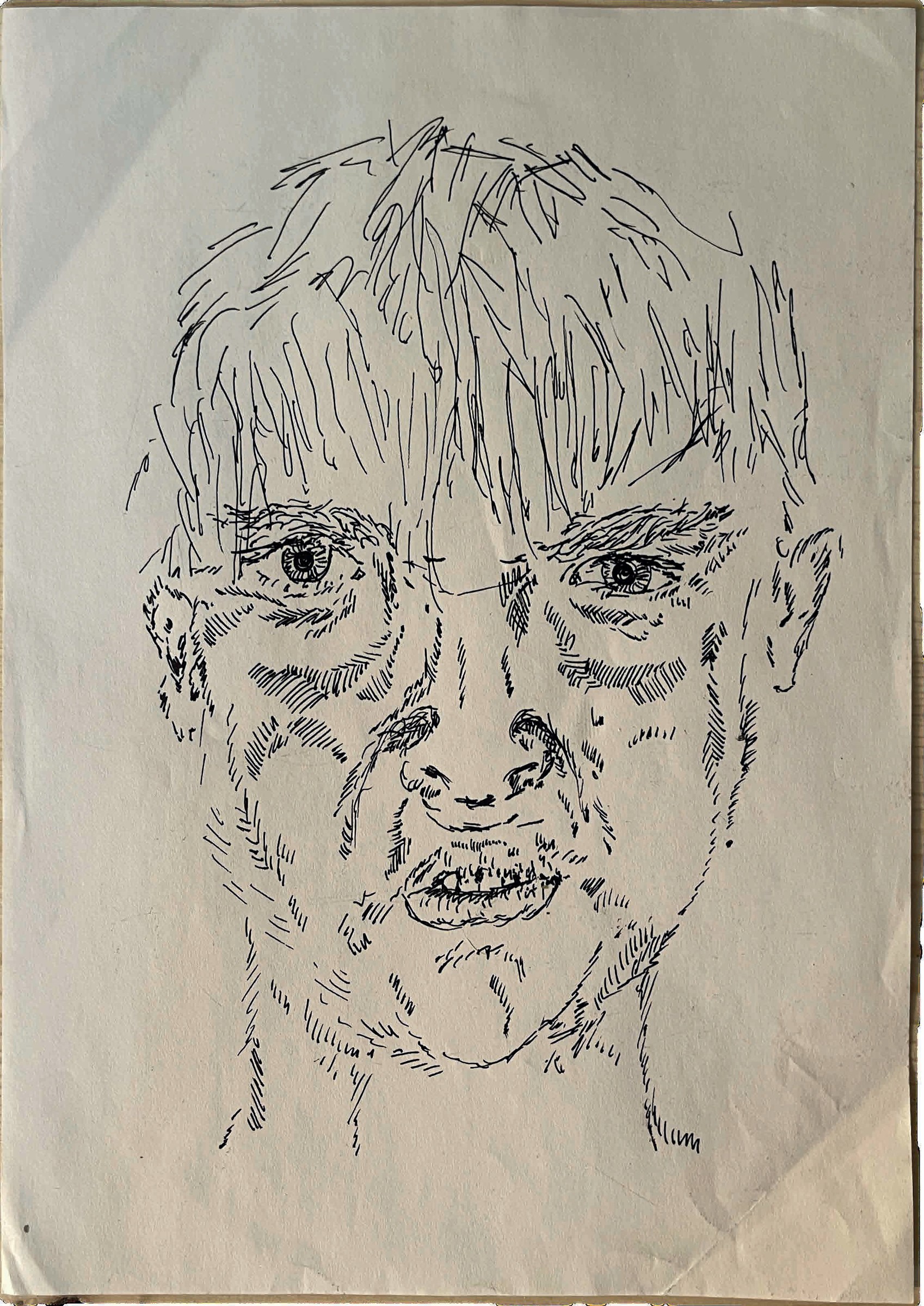
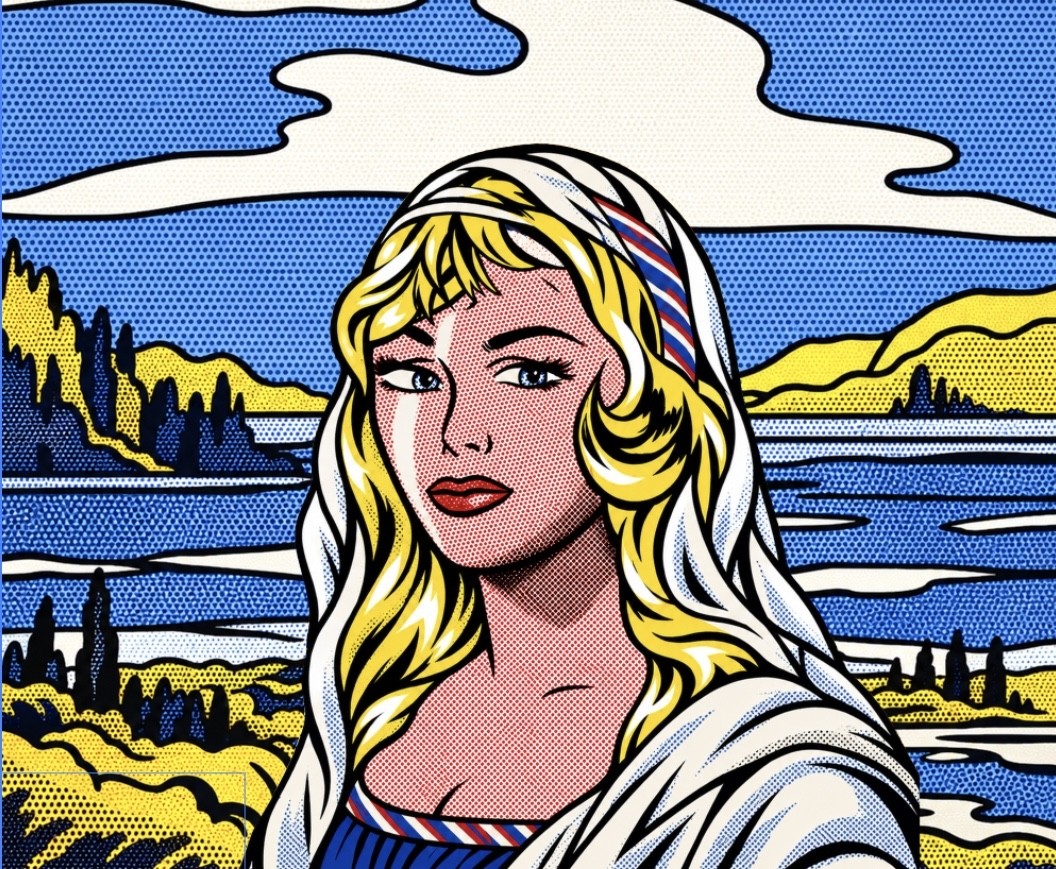
That is why my study "Lisa with Hair Ribbon", done in the manner of Roy Lichtenstein, works without any shading. No sfumato, no glazes, just line and dots. You have to see it life-size, because it is about perspective and the game of band and veil, not about painterly softness.
Think different, change meaning
Did I decode a grand master, or rather society? Either way, we should start questioning things more. It is only the artist who was never one before who thinks AI could replace him. Art is something so human. Our binocular seeing and perceiving is human.
So beware. Since I learned to see this way, I can tell AI art from painted art in seconds. I recognise every AI fraud, because AI does not see binocularly, any more than cameras do. Generated images are built from photographs, so they carry the flat projection in their bones. It amuses me to walk through an academy or a gallery and decode the works made with projectors and generated images. They are always photographs in disguise.